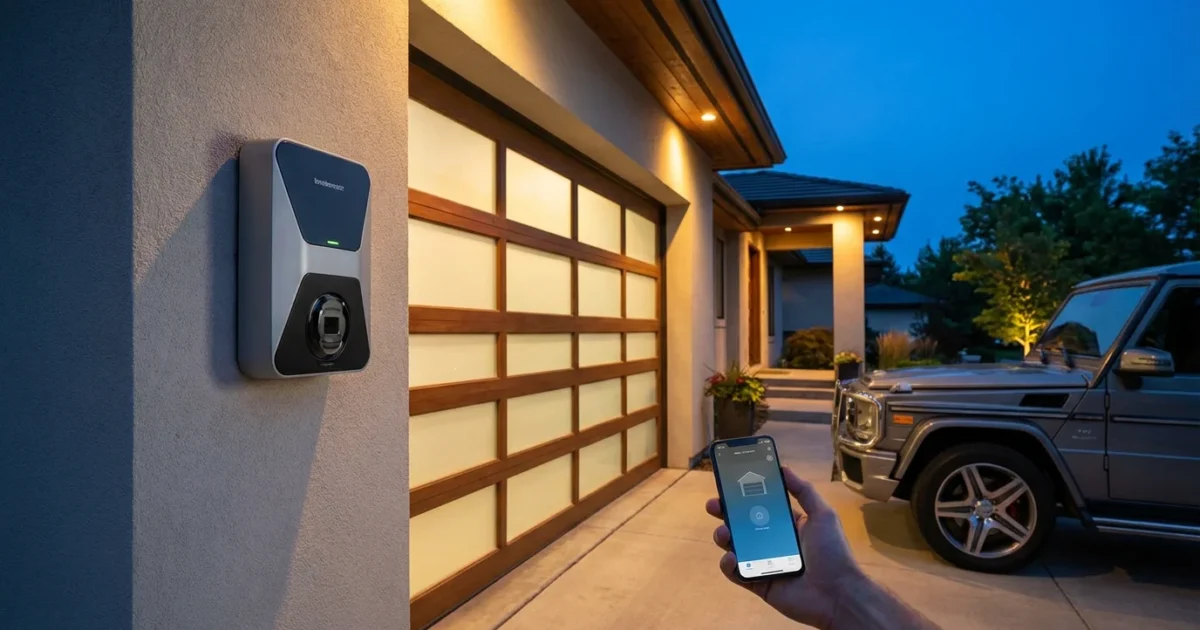
Your garage often serves as a primary entry point to your home. Securing and automating it offers significant benefits, from convenience to enhanced safety. Modernizing your garage door opener is a straightforward yet impactful way to upgrade your living space. A smart garage door controller provides remote access, monitoring, and integration with your broader smart home ecosystem.
Many homeowners seek practical ways to improve their home’s security and efficiency. Smart garage solutions address these needs directly. They offer peace of mind, knowing you can check on your garage door status from anywhere. They also add significant convenience to your daily routine, letting you control entry with a tap on your phone or a simple voice command.
Why Upgrade to a Smart Garage Controller?
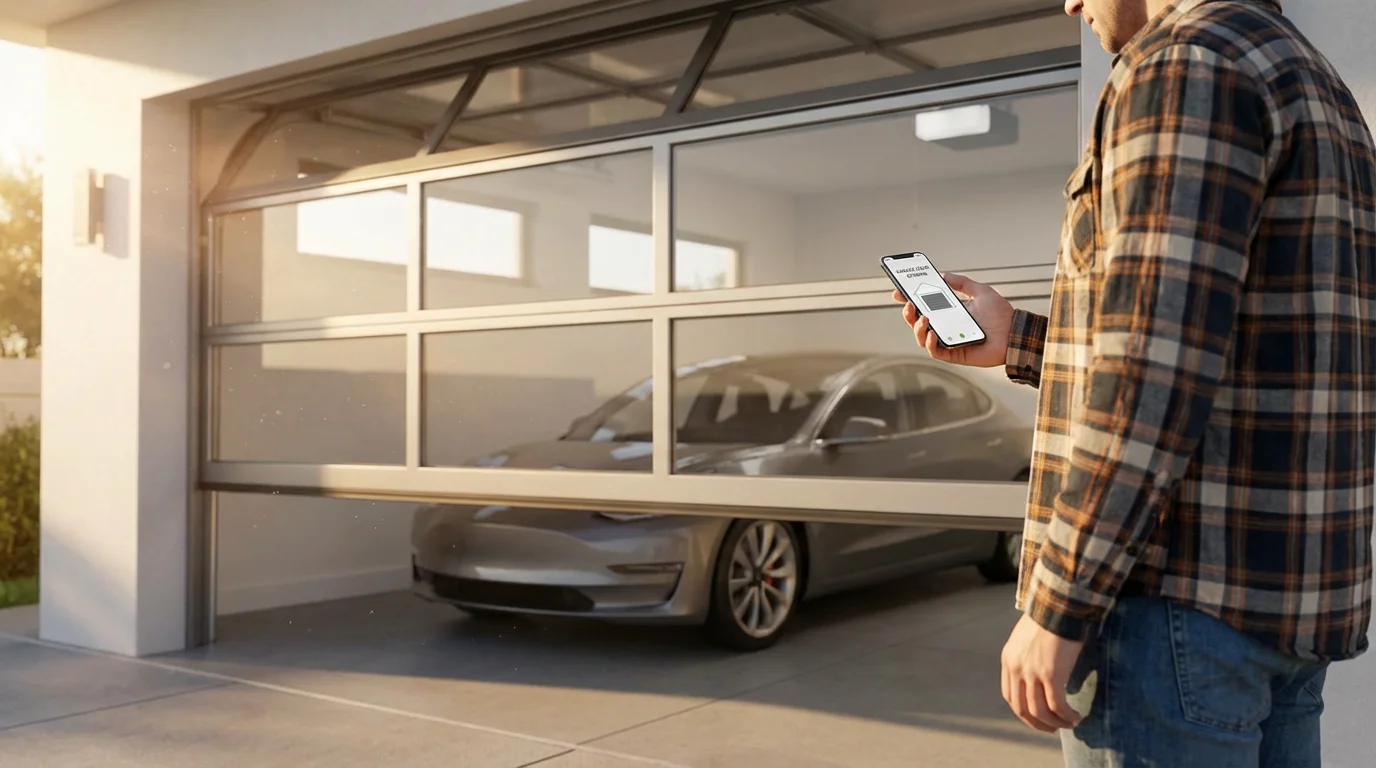
Upgrading to a smart garage door controller transforms a basic utility into a powerful security and convenience hub. You gain capabilities far beyond a traditional remote. This upgrade impacts your daily life in numerous positive ways, from safeguarding your home to streamlining your routine.
Consider the core benefits that drive homeowners to embrace smart garage technology:
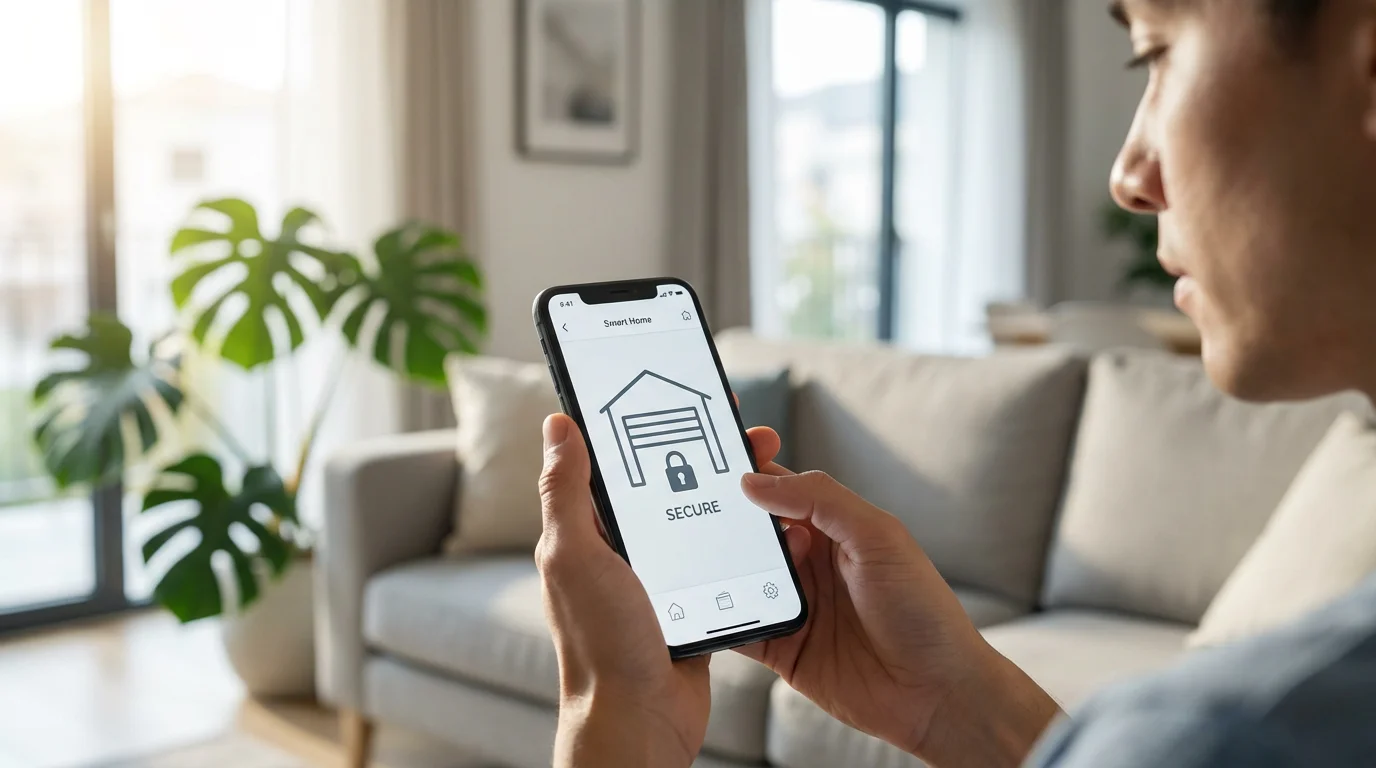
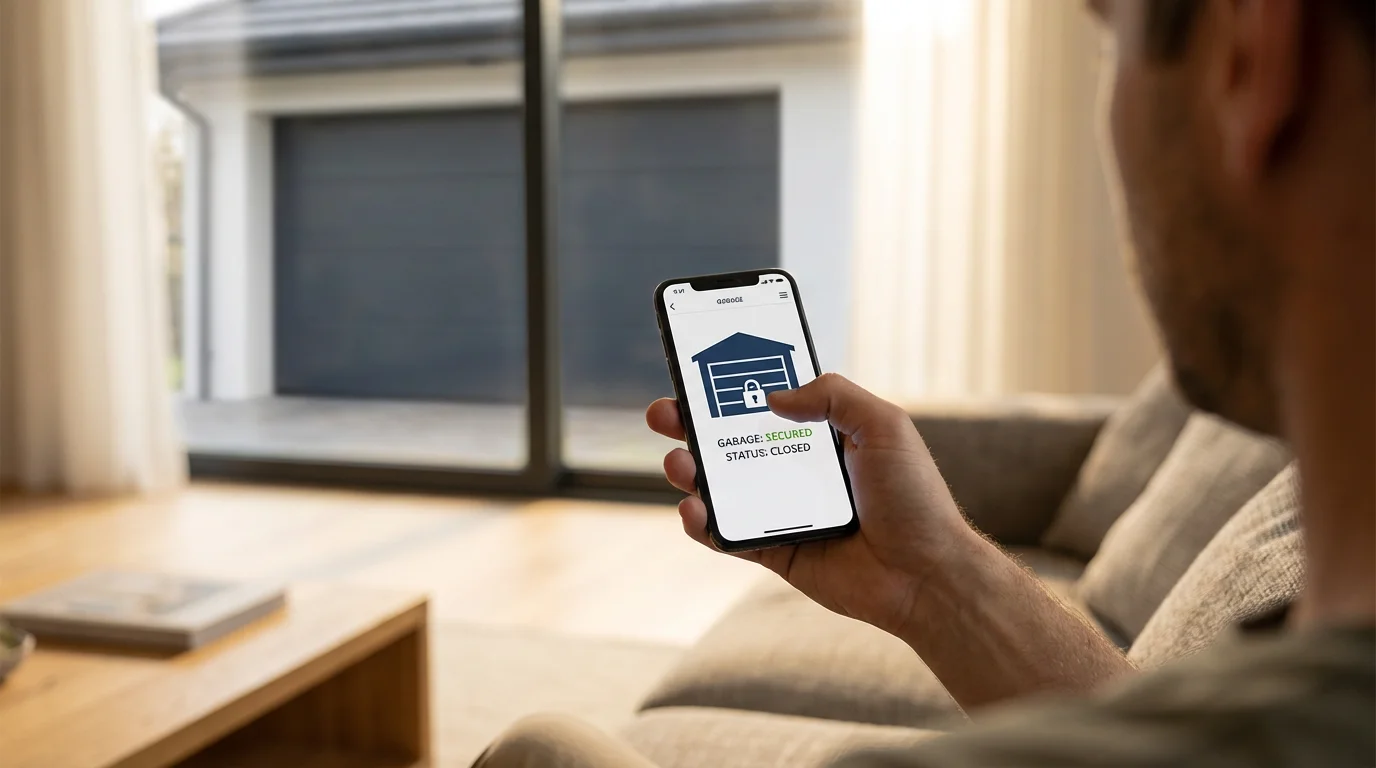
- Enhanced Security: Receive instant notifications if your garage door opens or remains open for too long. You can remotely check its status and close it from anywhere, eliminating worries about whether you forgot to secure your home. This level of oversight significantly improves your overall home security posture.
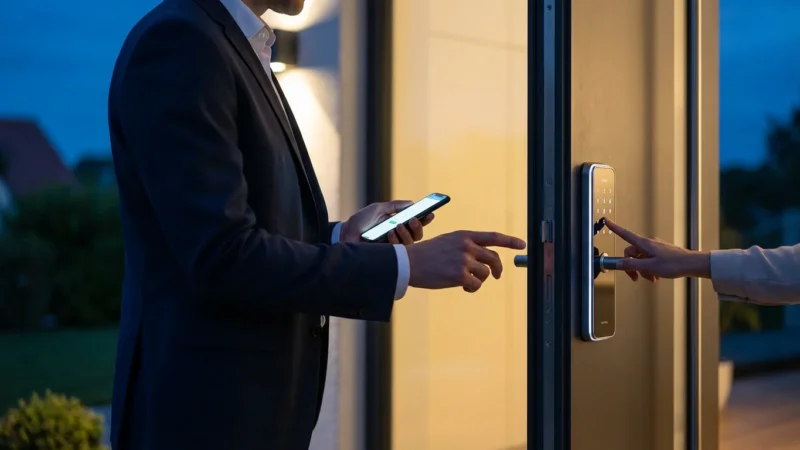
- Unmatched Convenience: Open or close your garage door with your smartphone, voice assistant, or even automatically based on your location. You no longer fumble for a remote or worry about lost or stolen clickers. Guests or delivery services can gain temporary access without you needing to be physically present.
- Energy Efficiency: A smart garage system can remind you to close an open door, preventing heat loss in winter or cool air escape in summer. This small action contributes to lower energy bills over time. Smart garage technology optimizes your home’s energy consumption.
- Remote Access: Manage your garage door from anywhere in the world with an internet connection. This remote access capability is invaluable for letting in family, friends, or service providers when you are away. It provides comprehensive control at your fingertips.
- Integration with Smart Home: Connect your garage door controller to other smart devices, creating seamless automations. Your smart lights can turn on as your garage opens, or your smart thermostat can adjust when you leave the house. A truly smart garage integrates effortlessly into your connected living space.
The decision to make garage door smart offers a compelling mix of modern functionality and peace of mind. It represents a forward-thinking investment in your home’s overall intelligence and security.
How Smart Garage Door Controllers Work
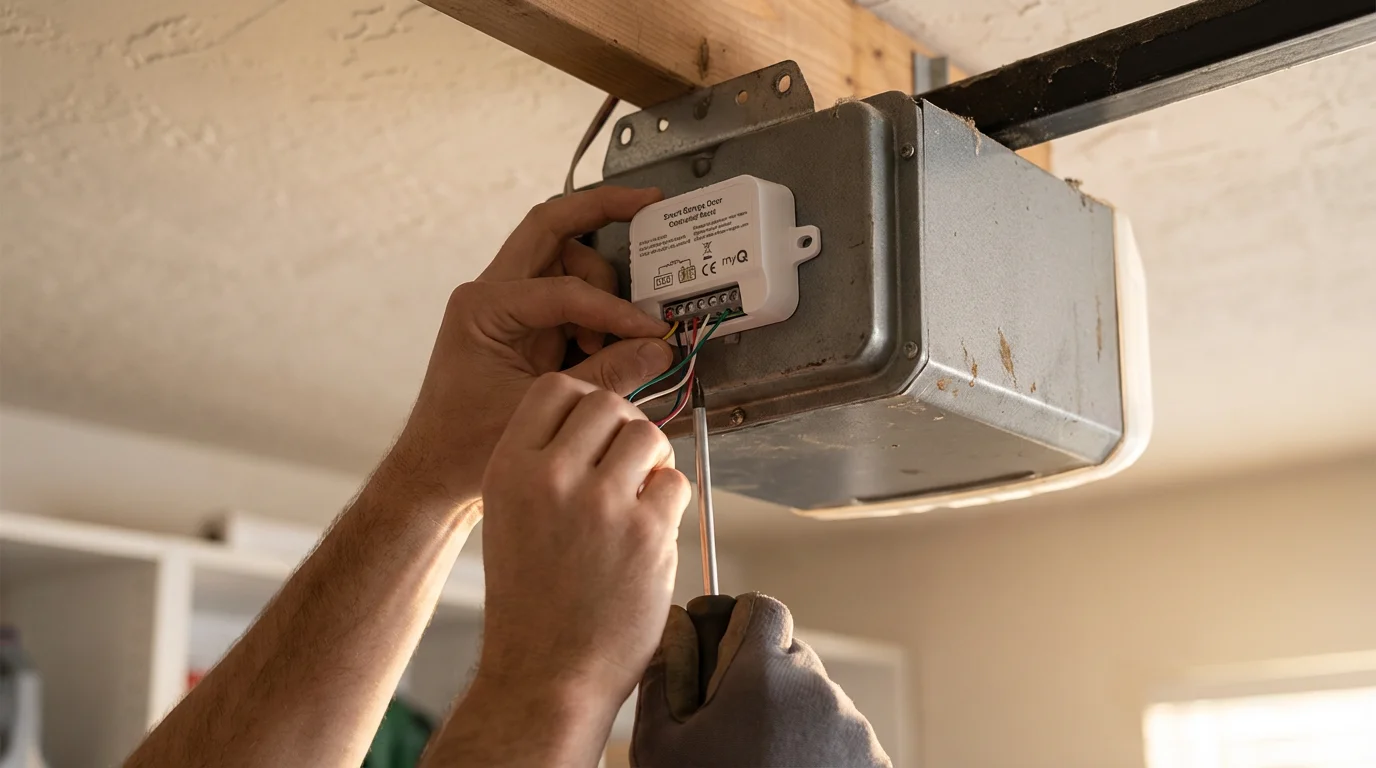
A smart garage door controller acts as an intermediary, giving your existing garage door opener new, intelligent capabilities. Instead of replacing your entire opener, you simply add a small device that connects to its control wiring. This makes your current setup “smart” without a full overhaul.
Since these controllers connect to your Wi-Fi network, it is essential to secure your smart home from hackers to keep your entry points protected.
Most smart garage door controllers utilize your home’s Wi-Fi network to communicate. Here is a simplified breakdown of their operation:
- Physical Connection: You install the controller unit near your existing garage door opener. This involves wiring two low-voltage wires from the controller to the opener’s wall button terminals. Some systems also include a tilt sensor or magnetic sensor attached to the garage door itself. This sensor detects the door’s open or closed status.
- Network Connection: The controller connects to your home’s Wi-Fi network. This allows it to receive commands and send status updates over the internet. A stable Wi-Fi signal in your garage is crucial for reliable performance.
- App and Cloud Control: You download the manufacturer’s smartphone app, which connects to the controller via a cloud server. Through this app, you can send commands like “open” or “close.” The app displays the real-time status of your garage door, as reported by the sensor.
- Command Execution: When you send a command from your app, it travels through the internet to the cloud server, then to your Wi-Fi router, and finally to the smart garage door controller. The controller then simulates a press of your garage door’s wall button, triggering the opener to activate.
- Feedback and Notifications: The tilt or magnetic sensor constantly monitors the garage door’s position. It sends updates back through the controller, Wi-Fi, and cloud to your app. This feedback ensures you always know if the door is open or closed, and you can receive push notifications for any activity.
This system allows you to manage your garage door from virtually anywhere. It turns a simple garage door opener into a sophisticated, connected device, providing remote access and crucial status information.
Key Features to Look For in a Smart Garage Controller
Choosing the best smart garage door opener requires understanding the features that truly enhance your experience. Not all controllers offer the same capabilities. Prioritize features that align with your lifestyle and existing smart home ecosystem.
While securing the garage is vital, you should also consider the best video doorbells for 2025 to keep an eye on your front porch.
When you evaluate options for your smart garage, consider these essential features:
- Universal Compatibility: Verify the controller works with your specific garage door opener model. While most are widely compatible, some newer openers with security+ 2.0 or similar proprietary rolling code technologies may require specific adapters. Always check the manufacturer’s compatibility list before purchasing.
- Reliable App Control: The smartphone app is your primary interface. It should be intuitive, responsive, and stable. Look for an app that provides clear status indications, a history log, and customizable notifications. A well-designed app makes remote access effortless.
- Voice Assistant Integration: Seamlessly integrate with popular voice assistants like Amazon Alexa, Google Assistant, or Apple HomeKit. Voice control adds immense convenience, allowing you to open or close your garage door hands-free. This enhances your smart home experience.
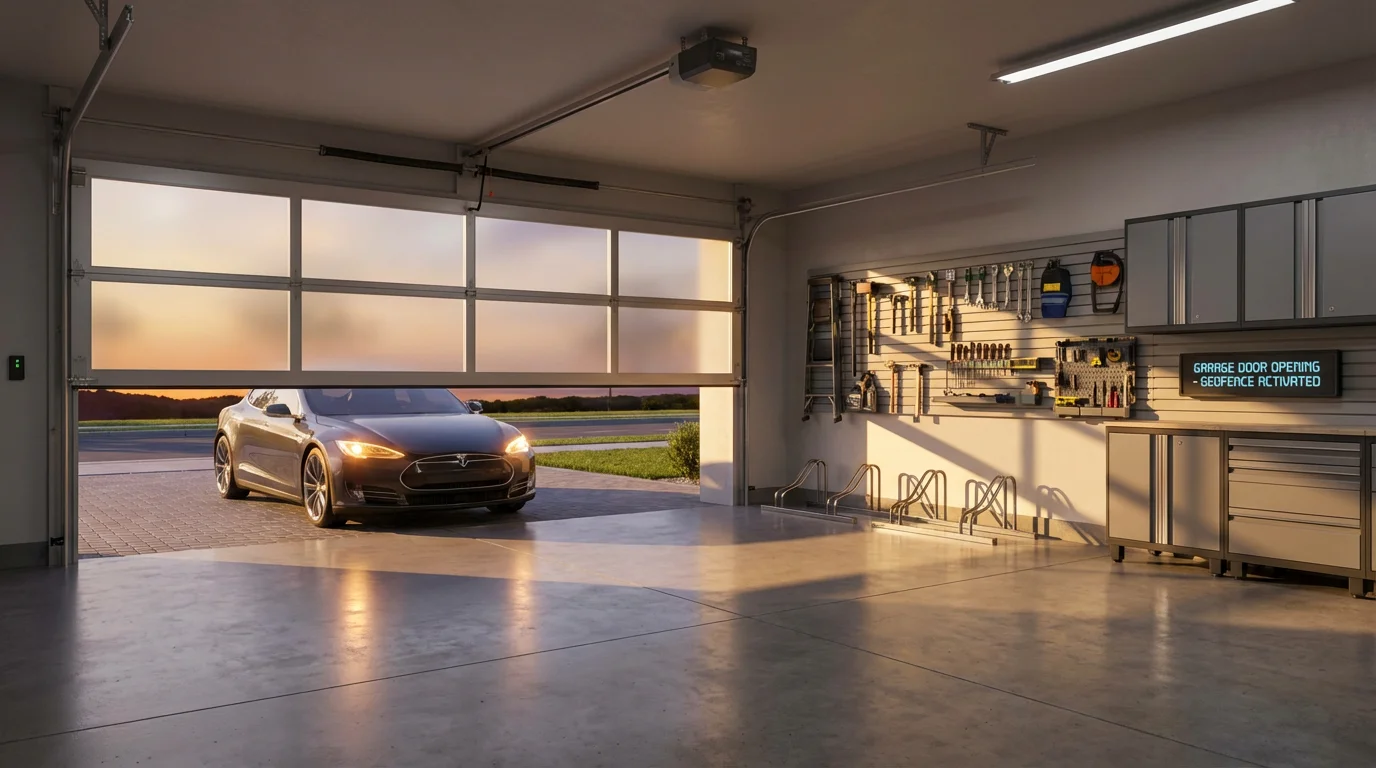
- Geofencing: This feature automatically opens your garage door as you approach home and closes it when you leave. Geofencing relies on your smartphone’s location services. It eliminates the need to manually activate the door, offering unparalleled convenience for your daily commute.
- Real-time Notifications: Receive instant alerts on your phone whenever the garage door opens, closes, or remains open for a specified period. These notifications are critical for security, informing you of any unexpected activity.
- Multiple User Access: Share access with family members or trusted individuals. Some apps allow you to grant temporary access, useful for house guests or service professionals. This feature offers flexible control over who can operate your garage door.
- Integration with Other Smart Devices: Look for controllers that integrate with broader smart home platforms. Compatibility with systems like SmartThings, Home Assistant, or even specific security cameras allows for complex, multi-device automations. This creates a cohesive smart living environment, truly enhancing your smart garage.
Carefully evaluating these features helps you select the best smart garage door opener for your home, ensuring it meets both your current needs and future automation goals.
Top Smart Garage Door Controllers and Their Strengths
The market offers several excellent smart garage door controllers, each with distinct strengths. Choosing the right one depends on your existing setup, budget, and desired features. Here, we outline popular types and their ideal use cases, helping you decide how to make garage door smart effectively.
Chamberlain MyQ Smart Garage Hub
The MyQ system is a widely recognized name in smart garage control. It offers robust connectivity and is often integrated directly into new garage door openers. MyQ provides reliable remote access and status alerts.
- Pros:
- Strong brand recognition and widely compatible with Chamberlain/LiftMaster openers.
- Dedicated app provides reliable remote access, status checks, and history.
- Offers optional in-garage delivery service integration for secure package drops.
- Easy DIY installation for compatible openers.
- Cons:
- Some advanced integrations, like Google Assistant, may require a subscription fee.
- Can be less flexible with non-Chamberlain/LiftMaster openers, though a universal hub exists.
- Ideal User: Homeowners with Chamberlain or LiftMaster garage door openers seeking a reliable, established system with potential for in-garage delivery services.
Meross Smart Garage Door Opener
Meross offers an affordable yet feature-rich smart garage solution, known for its broad compatibility and ease of integration. It has gained popularity for its straightforward setup and reliable performance, making it a strong contender for the best smart garage door opener 2025 for many users.
- Pros:
- Excellent value for money, making it an accessible entry point to smart garage technology.
- Broad compatibility with most garage door openers, including many older models.
- Integrates well with Apple HomeKit, Amazon Alexa, and Google Assistant without subscription fees.
- Provides real-time notifications and an intuitive app.
- Cons:
- Requires a stable 2.4 GHz Wi-Fi connection in the garage.
- Some users report sensor cable length limitations in very large garages.
- Ideal User: Budget-conscious homeowners who want broad smart home integration, especially HomeKit, and a simple, effective remote access solution.
Tailwind IQ3 Smart Garage Door Opener
The Tailwind IQ3 stands out for its advanced geofencing and multi-door control capabilities. It focuses on precision and user experience, providing a premium smart garage experience.
- Pros:
- Sophisticated geofencing ensures doors open and close precisely upon arrival or departure.
- Supports control for up to three garage doors with one unit, reducing clutter and cost for multiple bays.
- Offers robust security features, including automatic closing after a set time.
- Excellent integration with various smart home platforms, offering great flexibility.
- Cons:
- Higher price point compared to some entry-level controllers.
- Installation can be slightly more involved due to advanced features.
- Ideal User: Tech-savvy users with multiple garage doors or those prioritizing highly accurate geofencing and advanced automation rules for their smart garage.
Each of these options provides reliable remote access and monitoring, elevating your garage door opener into a modern smart device. Consider your specific needs to select the perfect controller.
Installation Considerations: DIY vs. Professional
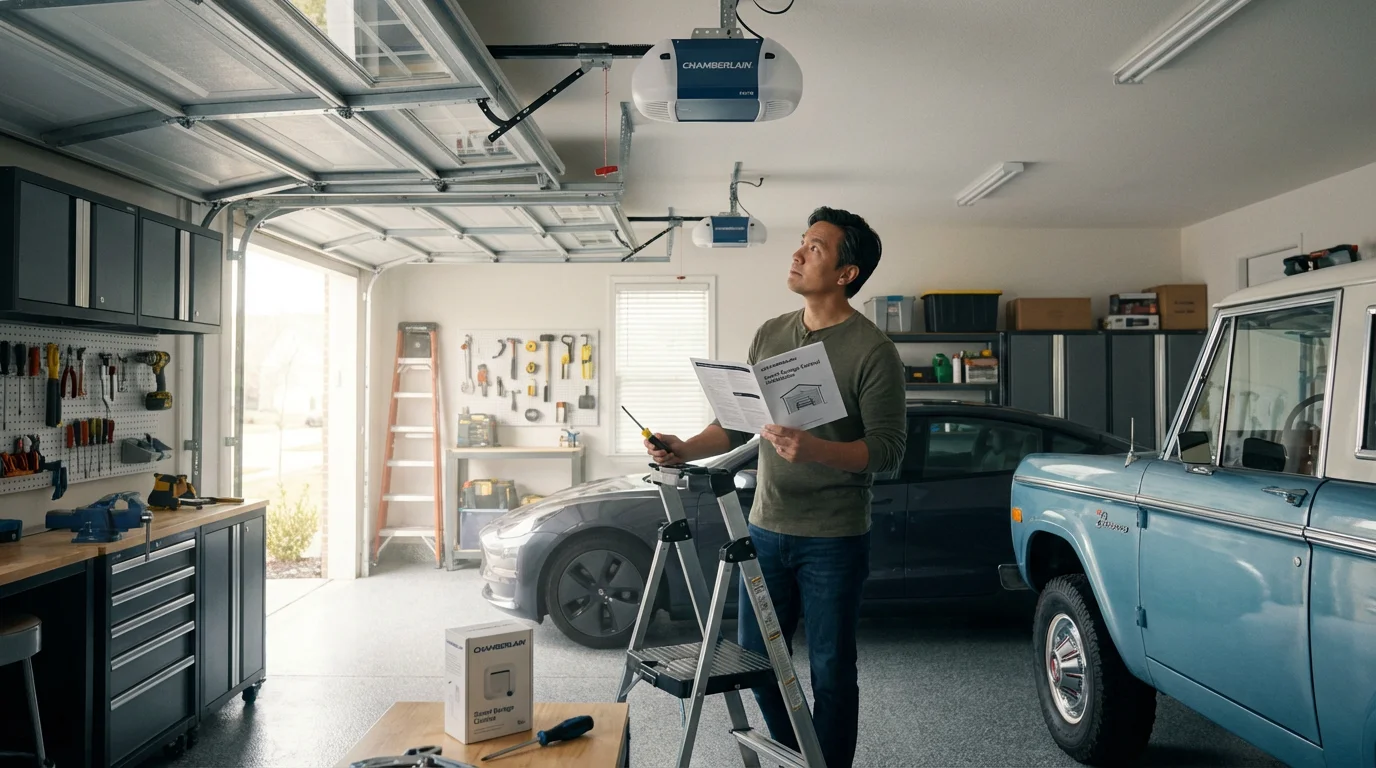
Installing a smart garage door controller is generally a straightforward DIY project for most homeowners. The process typically involves basic wiring, similar to connecting a doorbell or thermostat. However, understanding your comfort level and the specifics of your existing garage door opener is key. Your safety is paramount during any installation.
Consider these points when deciding between DIY and professional installation:
- DIY Installation:
- Tools Required: You generally need a screwdriver, wire strippers, and possibly a drill for mounting the main unit and the door sensor.
- Process: The main steps involve mounting the controller unit near your garage door opener, running two low-voltage wires to the opener’s wall button terminals, and installing a tilt or magnetic sensor on your garage door. Finally, you connect the device to your home Wi-Fi and set it up through the app. Most manufacturers provide clear, step-by-step instructions.
- Time Commitment: Most DIY installations take between 30 minutes to 2 hours, depending on your familiarity with basic wiring and the specific product.
- Safety: Always disconnect power to your garage door opener before working with any wiring. Ensure you follow all manufacturer guidelines precisely.
- Professional Installation:
- When to Consider: If you are uncomfortable with basic wiring, lack the necessary tools, or encounter compatibility issues with your existing garage door opener, a professional can assist. Newer garage door openers, particularly those with complex wiring or proprietary communication protocols, might benefit from expert installation.
- Expertise: A professional installer possesses the experience to troubleshoot unexpected issues and ensure correct, safe operation. They can also advise on optimal placement for Wi-Fi signal strength and sensor accuracy.
- Cost: Professional installation incurs an additional cost, but it provides peace of mind and guarantees proper setup.
Regardless of your choice, prioritize safety. Read all instructions carefully. If you have any doubts, consulting a licensed electrician or a professional garage door technician is always the wisest course of action. They ensure your smart garage solution functions correctly and safely.
Integrating Your Smart Garage with Your Smart Home
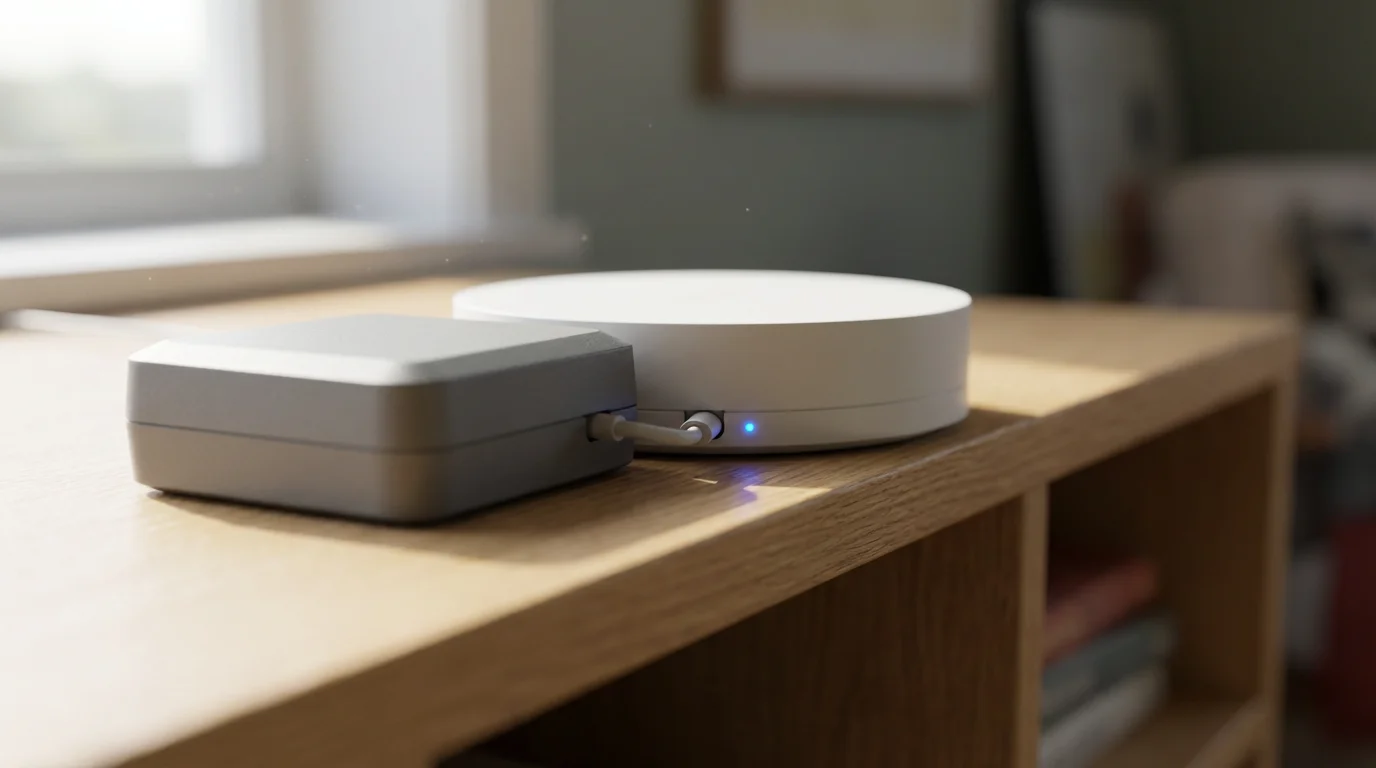
The true power of a smart garage door controller emerges when it integrates seamlessly with your broader smart home ecosystem. This allows for advanced automations and centralized control. An integrated smart garage goes beyond simple remote access, becoming a core component of your intelligent living space.
To ensure only authorized users can operate your door, always set up two-factor authentication on your smart garage application.
Consider these popular integration pathways for your smart garage:
- Voice Assistant Integration: Link your smart garage door controller with Amazon Alexa, Google Assistant, or Apple HomeKit. This enables hands-free control, allowing you to say, “Alexa, open the garage door” or “Hey Google, is the garage door closed?” This offers incredible convenience, especially when your hands are full.
- Smart Lighting: Set up a routine where your garage lights turn on automatically when the garage door opens. Conversely, ensure they turn off when the door closes and no motion is detected for a period. This enhances safety and saves energy.
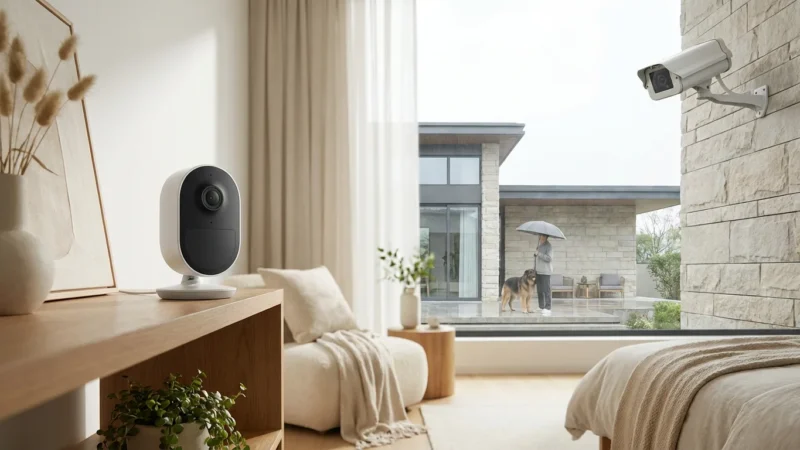
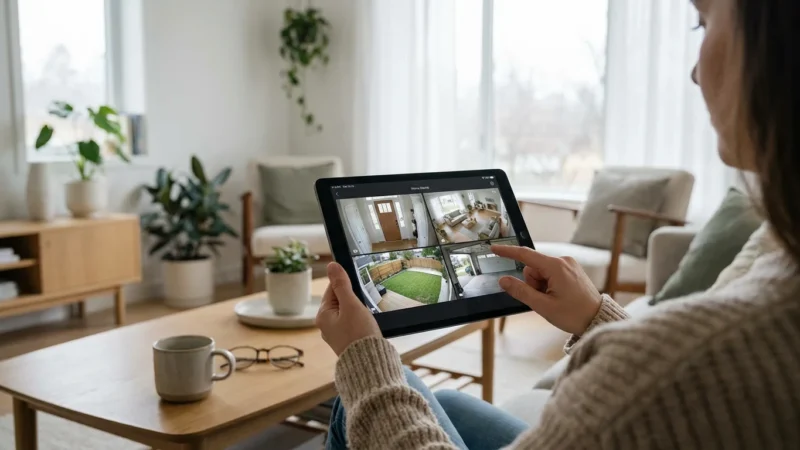
- Security Cameras: Pair your smart garage controller with a security camera. When the garage door opens, the camera can automatically start recording or even send you a live feed. This provides visual confirmation of who enters or leaves your garage, bolstering your smart security system. Many leading smart home security brands offer comprehensive solutions, as detailed by Tom’s Guide’s smart home news.
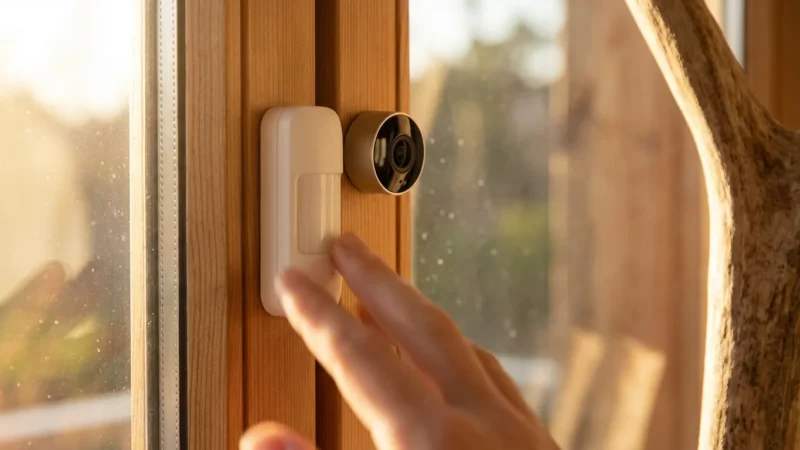
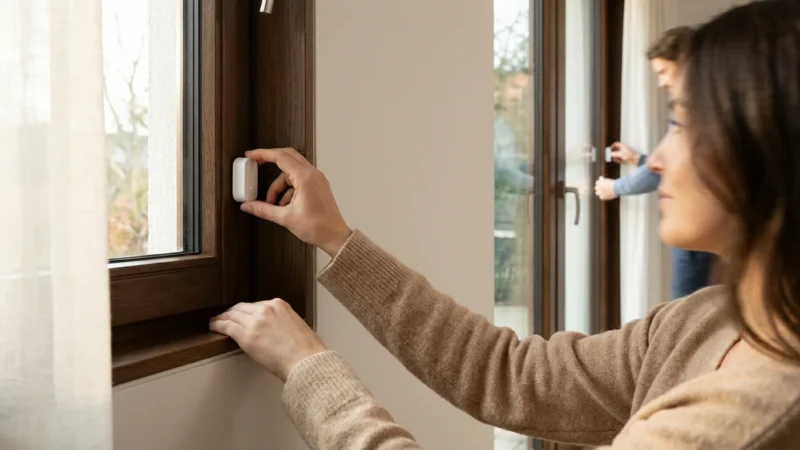
- Motion Sensors and Door/Window Sensors: Integrate additional sensors to create more intelligent automations. If a motion sensor detects activity in your garage while the door is closed, you could receive an alert, or your lights could flash.
- Geofencing and Location Services: Use your smartphone’s location to trigger actions. As you approach your home, your smart garage door can automatically open. When you drive away, it can close. This eliminates the need for manual interaction, creating a truly effortless experience.
- IFTTT (If This Then That): Many smart garage controllers support IFTTT, a web-based service that allows you to create custom applets. For example, “If my smart car enters my home zone, then open the garage door.” This expands automation possibilities significantly.
Building these connections maximizes the value of your smart garage. It contributes to a more secure, convenient, and energy-efficient home, where devices work together harmoniously. You gain a powerful, integrated solution for managing your property.
Advanced Automation Ideas for Your Smart Garage
Once you establish basic smart garage control, explore advanced automations to truly optimize your experience. These creative applications leverage your smart garage door controller’s capabilities, along with other smart devices, to create a seamless and highly functional environment. You move beyond simple remote access to a truly intelligent space.
Consider these advanced automation ideas for your smart garage:
- “Arriving Home” Scene: When your car enters a geofenced area near your home, trigger a sequence: the garage door opens, interior garage lights turn on, your smart thermostat adjusts to your preferred temperature, and your smart lock on the inner garage door unlocks. This welcomes you home effortlessly.
- “Leaving Home” Scene: Upon driving away and the garage door closing, initiate a “goodbye” routine: your smart thermostat switches to an away mode, all smart lights in the house turn off, and your home security system arms. This ensures your home is secure and energy-efficient when you are out.
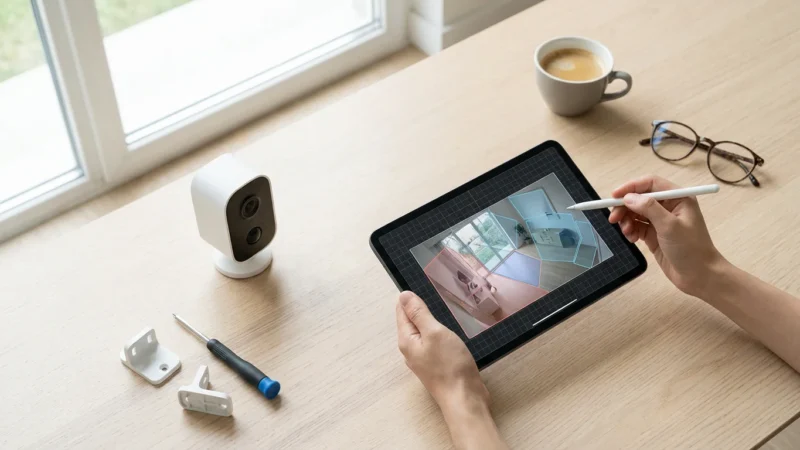
- Security Monitor and Alert System: Combine your smart garage controller with a garage security camera and motion sensors. If the garage door opens unexpectedly at night, the camera begins recording, the garage lights flash, and you receive an immediate notification on your phone. This proactive monitoring enhances smart security.
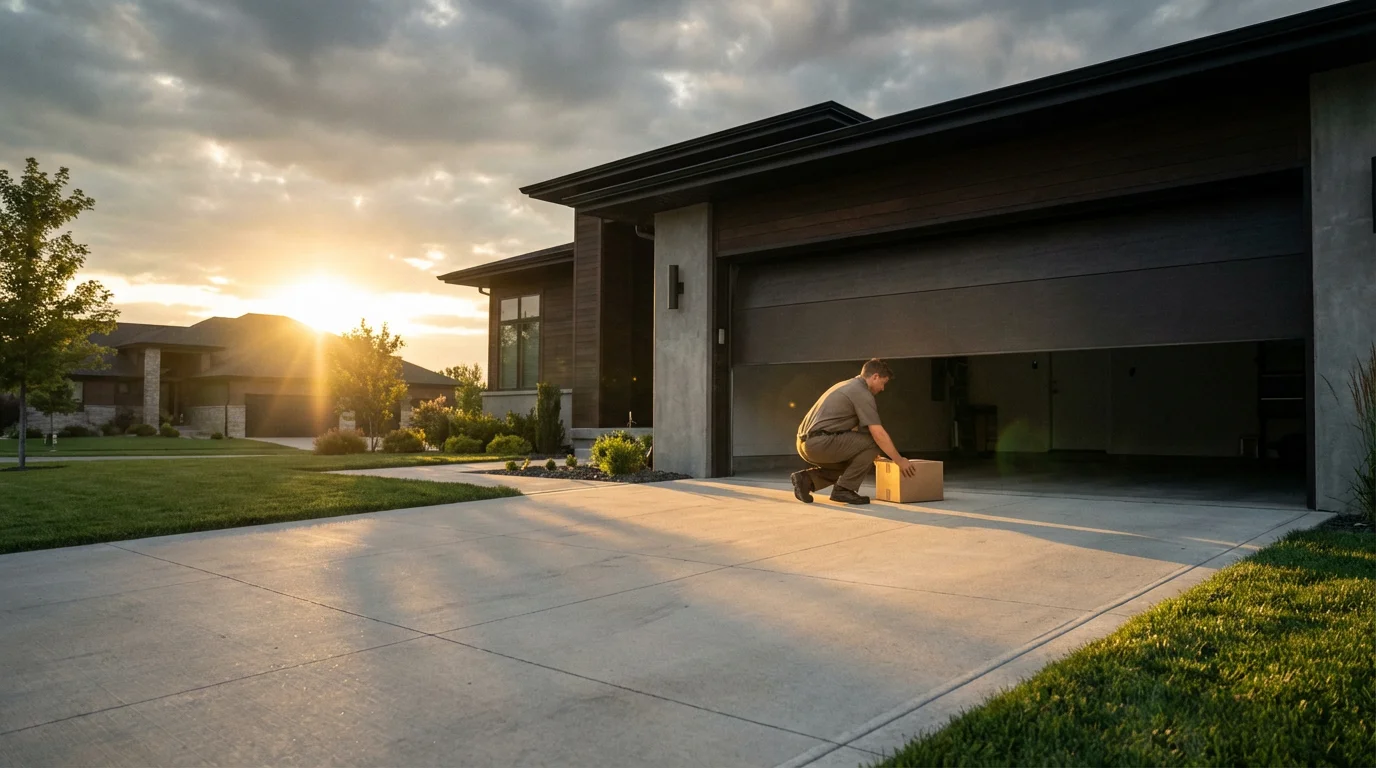
- Package Delivery Automation: For services offering in-garage delivery, integrate your smart garage system. You can grant temporary, secure access for a delivery driver to place a package inside your garage, then automatically close and lock the door. This protects your deliveries from theft and weather.
- Ventilation Control: If you have a smart ventilation fan in your garage, create an automation that turns it on when the garage door opens. This clears vehicle exhaust or fumes. It ensures better air quality and improves the overall comfort of your smart garage.
- Rain Detection Auto-Close: Integrate with a smart weather station or a rain sensor. If the garage door is open and rain is detected, the system can automatically close the door to protect contents. This prevents water damage to your belongings.
These automations elevate your smart garage beyond mere convenience. They create an intelligent, responsive environment that anticipates your needs, enhances security, and improves daily living. With a little planning, you can make garage door smart in truly remarkable ways.
Security Best Practices for Your Smart Garage
While a smart garage door controller significantly enhances security, you must also adopt best practices to protect your home. A connected device is only as secure as its weakest link. Implementing robust security measures ensures your remote access and monitoring capabilities truly safeguard your property, rather than create vulnerabilities.
The strongest smart home security layers combine technological safeguards with diligent user habits. You are an integral part of your home’s defense.
Follow these essential security best practices for your smart garage:
- Strong, Unique Passwords: Use complex, unique passwords for your smart garage app and your Wi-Fi network. Avoid common phrases or personal information. A strong password, combining upper and lowercase letters, numbers, and symbols, forms your first line of defense.
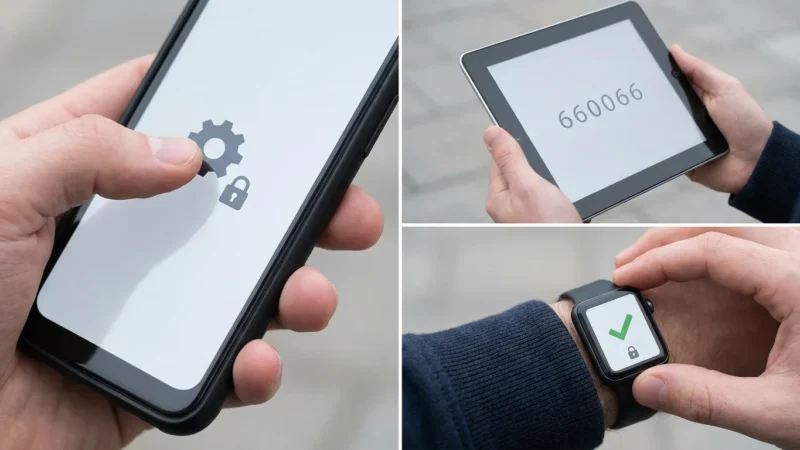
- Enable Two-Factor Authentication (2FA): Always enable 2FA if your smart garage app supports it. This adds an extra layer of security, requiring a second verification step, like a code sent to your phone, even if someone obtains your password.
- Regular Software Updates: Keep your smart garage door controller’s firmware and its companion app updated. Manufacturers frequently release updates that patch security vulnerabilities and improve performance. Ignoring updates leaves your system exposed.
- Secure Your Wi-Fi Network: Ensure your home Wi-Fi network uses WPA2 or WPA3 encryption. Change the default router password. A secure Wi-Fi network protects all your smart devices, including your smart garage. CNET offers valuable guidance on securing your smart home devices.
- Monitor Activity Logs: Regularly check the activity logs in your smart garage app. This allows you to review when the garage door opened or closed and by whom, helping you spot any unauthorized activity.
- Beware of Phishing: Remain vigilant against phishing attempts. Do not click suspicious links or provide login credentials in response to unsolicited emails or messages claiming to be from your smart garage manufacturer.
- Physical Security: Supplement your smart garage technology with traditional physical security measures. Ensure your garage door itself is in good repair and consider adding a robust locking mechanism that can be engaged when you are away for extended periods.
By combining advanced smart security features with diligent user practices, you create a formidable defense for your garage and, by extension, your entire home. Your proactive approach ensures the best smart garage door opener provides maximum security.
Frequently Asked Questions
What is the difference between a smart garage door opener and a smart garage door controller?
A smart garage door opener is a complete unit, replacing your existing opener with a new, connected model. A smart garage door controller, conversely, acts as an add-on. It connects to your current opener, giving it smart capabilities without requiring a full replacement. You can make garage door smart by simply adding a controller, often a more cost-effective and easier solution.
Do smart garage door controllers work with all garage door openers?
Most smart garage door controllers work with a wide range of existing garage door openers, especially those manufactured after 1993. However, some newer openers use proprietary rolling code technology that requires specific compatibility or an additional accessory, often called a dry contact adapter. Always check the controller’s compatibility list against your current garage door opener model before purchasing to ensure remote access works correctly.
How secure is a smart garage door controller?
Smart garage door controllers offer robust security features. They typically use encrypted communication, requiring secure login credentials. Many provide real-time alerts if your garage door opens or closes unexpectedly. While no system is entirely foolproof, these devices significantly enhance your garage’s security, often surpassing traditional remote control vulnerabilities, especially when paired with good password practices and multi-factor authentication. This provides superior protection against unauthorized remote access.
Can I open my smart garage door if the internet is down?
This depends on the specific smart garage door controller. Most smart controllers rely on your home Wi-Fi and internet connection for remote access through your smartphone app or voice assistants. If your internet is down, you can still use your traditional garage door remote or the wall button inside your garage. Some advanced systems may offer local control options or cellular backup, but these are less common for basic smart garage controllers.
Is it worth upgrading to a smart garage door opener in 2025?
Absolutely. The convenience of remote access, the enhanced security features like real-time alerts, and the potential for seamless integration with other smart home devices make a smart garage door opener a highly valuable upgrade for 2025. It offers peace of mind and simplifies daily routines, making it a worthwhile investment for any homeowner looking to modernize their home and gain better control over their property.
Disclaimer: This article is for informational purposes only. Smart home devices involve electrical connections and data privacy. Always follow manufacturer instructions for installation. For complex wiring or HVAC work, consult a licensed professional.

Leave a Reply