
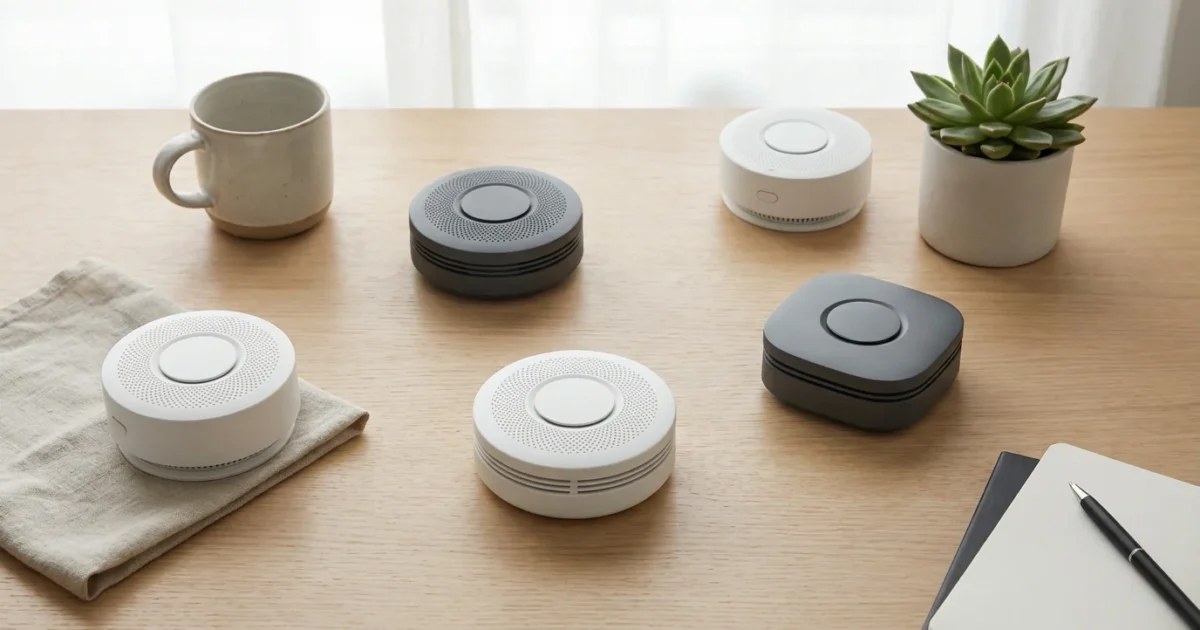
Protecting your home and family remains a top priority for any homeowner. While traditional smoke and carbon monoxide (CO) detectors provide a baseline of safety, smart smoke detector technology elevates this protection to an entirely new level. These devices offer enhanced awareness, greater control, and deeper integration with your connected home, providing crucial peace of mind whether you are home or away.
Upgrading to a smart smoke alarm system transforms your passive safety devices into active guardians. You gain immediate insights and control over potential threats, allowing for faster response times and more informed decisions. This comprehensive guide explores the compelling reasons to make the switch, detailing how these advanced detectors safeguard your living space more effectively.
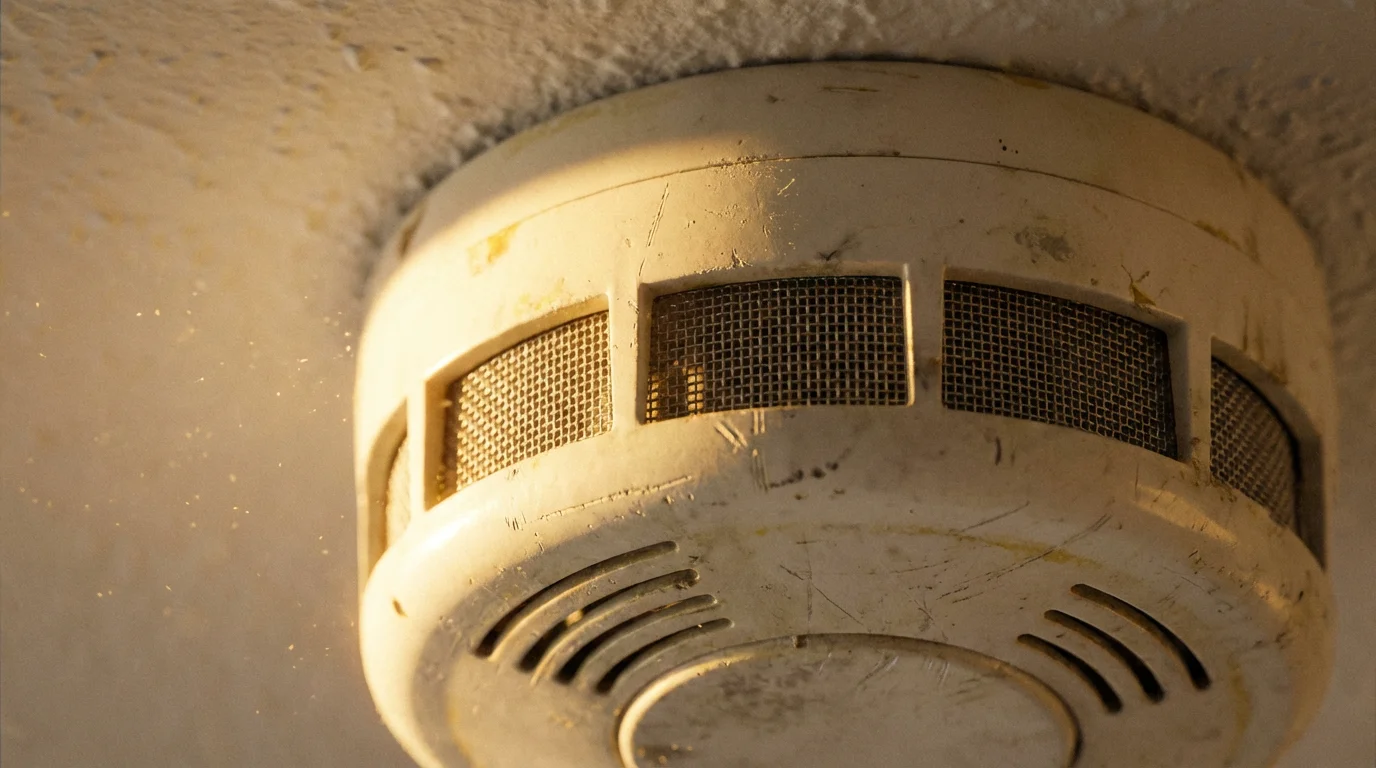
Why Traditional Alarms Fall Short
Traditional smoke and CO detectors, while essential, often have significant limitations. Their primary function is to emit a loud alarm when they detect a threat. This works well if you are home and awake, but their utility diminishes rapidly under other circumstances.
Consider a scenario where a fire starts while you are at work, or a CO leak begins while you are asleep in a far corner of the house. A standard alarm sounds, but without anyone to hear it or take immediate action, its effectiveness is severely limited. This gap in monitoring leaves your home vulnerable during critical moments.
Common issues with traditional detectors include:
- No Remote Alerts: You receive no notification if an alarm triggers while you are away from home.
- Frequent False Alarms: Cooking smoke often sets off traditional detectors, leading to frustration and the tendency to disable them temporarily.
- Lack of Specificity: They generally do not tell you where the smoke or CO originates, making it harder to pinpoint the danger.
- Manual Testing and Maintenance: You must manually test them and replace batteries, often leading to neglect.
- Limited Interconnectivity: Older models may not communicate with each other, meaning a single detector triggers, but others remain silent.
These shortcomings highlight the compelling case for a more advanced solution. You need a system that offers continuous vigilance and communication, transcending the physical presence of a siren.
What Smart Smoke and CO Detectors Offer
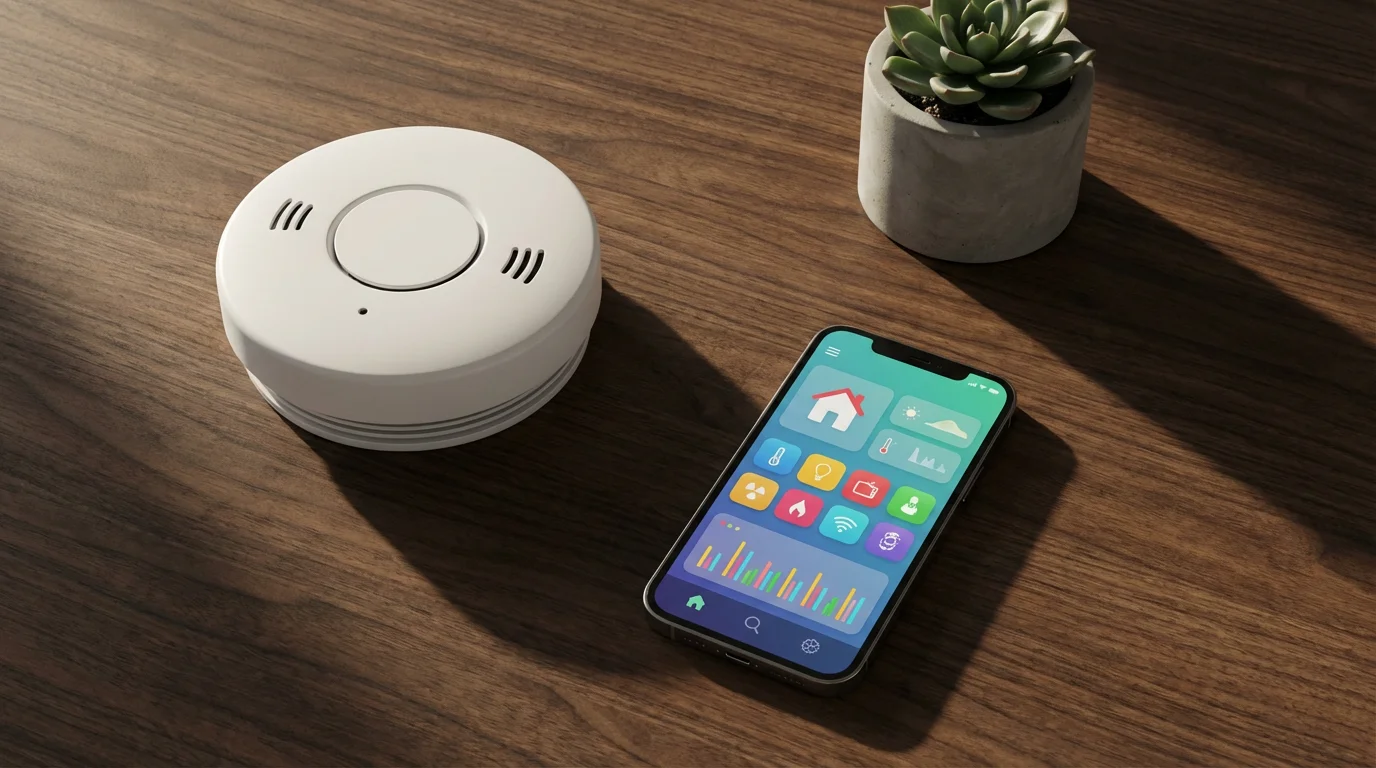
Smart smoke and CO detectors fundamentally change how you monitor your home for these critical threats. They connect to your home’s Wi-Fi or another smart home protocol, providing a host of advanced features that enhance safety and convenience. These devices move beyond simple audible alerts, offering a proactive approach to home protection.
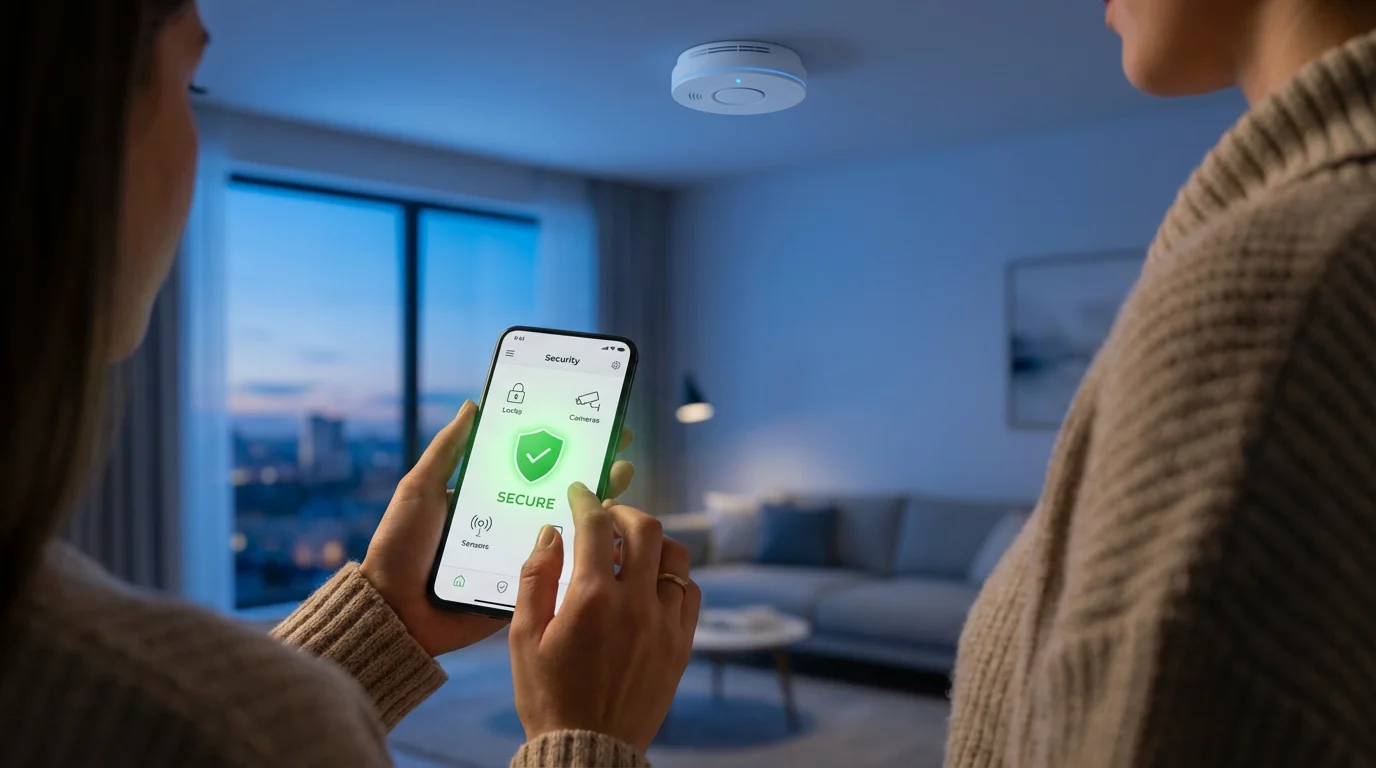
A key advantage lies in their connectivity. You gain real-time insights and control directly from your smartphone, regardless of your location. This immediate awareness allows you to respond swiftly and appropriately to any potential emergency, which significantly reduces risk.
Key smart features:
- Remote Notifications: Receive instant alerts on your smartphone or other devices if smoke or CO is detected, even when you are away.
- Voice Alerts: Many smart detectors, like the Nest Protect, provide clear voice warnings that specify the type of hazard and its location, such as “Heads-up. There’s smoke in the kitchen.” This precision helps you react faster.
- Self-Testing: Smart detectors perform regular self-checks of their sensors and batteries. They notify you if anything needs attention, eliminating guesswork about their operational status.
- Interconnected Alarms: When one smart detector senses a problem, it communicates wirelessly with all other smart detectors in your home. Every alarm sounds simultaneously, ensuring everyone in the house receives an immediate warning.
- Temporary Silence: You can often quiet false alarms, like those from burnt toast, directly from your phone. This prevents the annoyance of standing on a chair to press a small button.
- Extended Lifespan and Battery Monitoring: Smart detectors monitor battery levels and notify you well in advance when replacements are due. Some models boast a 10-year lifespan for their sensors and internal batteries.
These features transform a basic safety device into an integral part of your home security ecosystem. You move from reactive alarm monitoring to proactive threat management.
Enhanced Safety Beyond the Siren
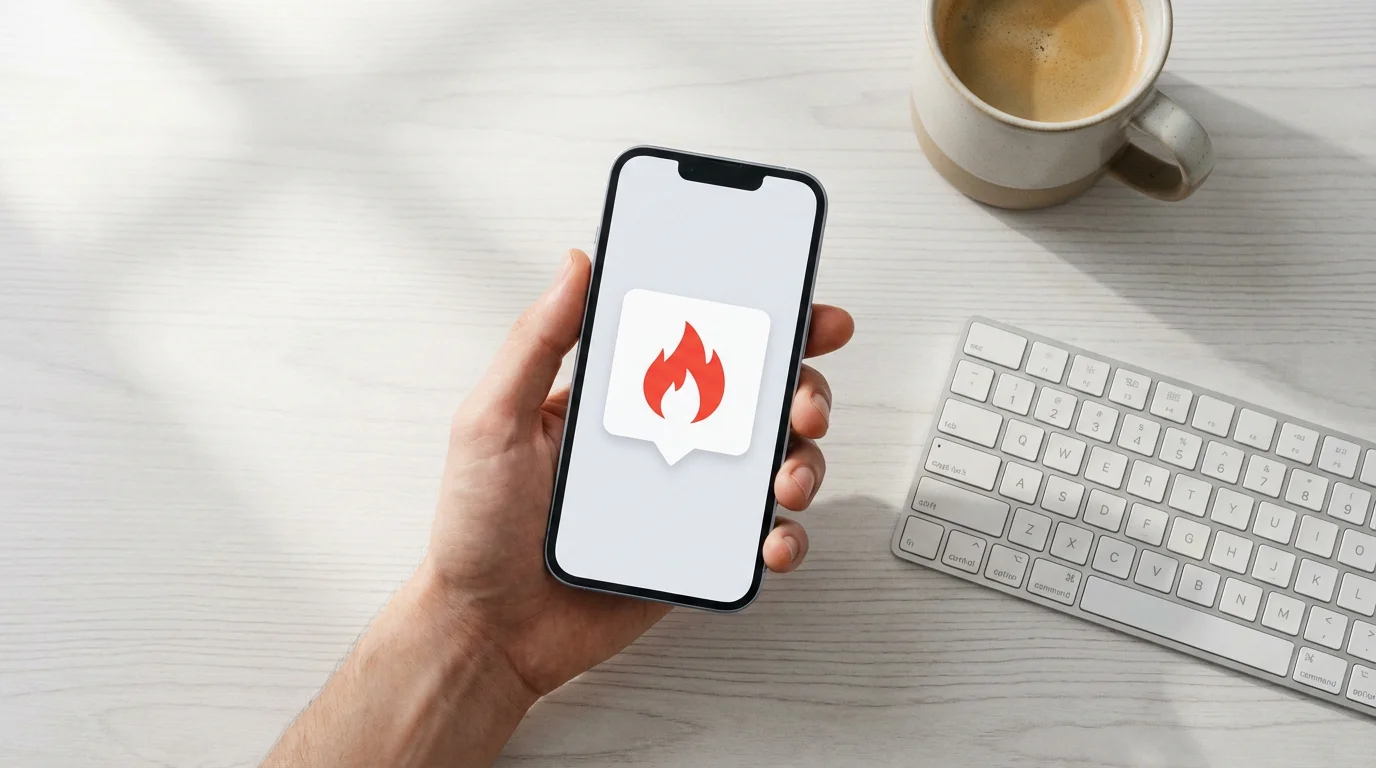
The true power of smart smoke and CO detectors emerges from their ability to provide enhanced safety far beyond the audible siren. Imagine a tiny spark igniting in your laundry room while you are grocery shopping. A traditional detector would shriek, unheard. A smart detector, however, immediately sends a push notification to your phone.
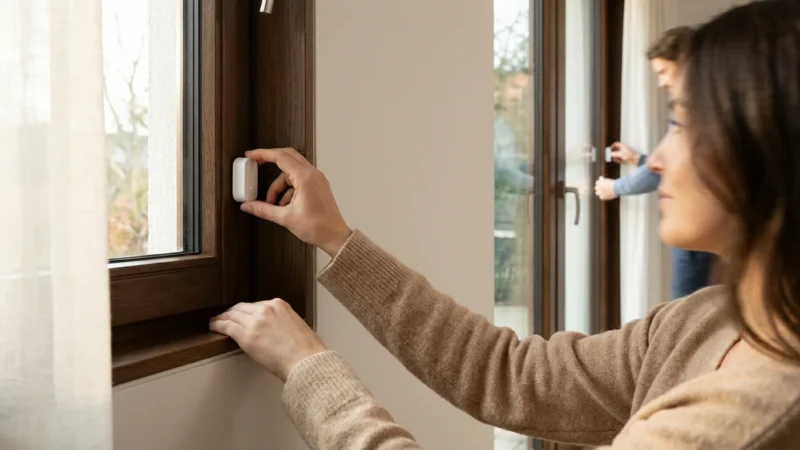
For a truly safe environment, pair your fire protection with window and door sensors to create a multi-layered defense against all types of emergencies.
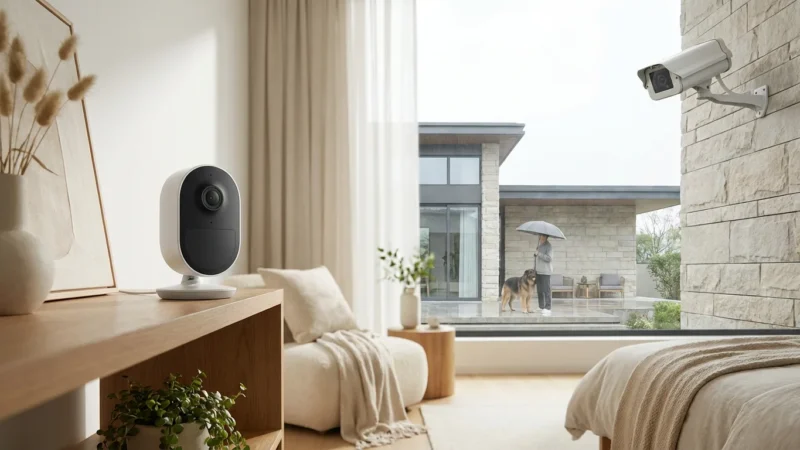
This remote notification allows you to take action. You can call emergency services, alert a neighbor, or even check security camera feeds if you have them, all before the situation escalates dramatically. This drastically cuts down response time, a critical factor in mitigating damage from fires and preventing CO poisoning.
“Early detection and immediate notification dramatically increase survival rates and reduce property damage in fire and carbon monoxide incidents. Smart detectors provide this crucial advantage.”
Furthermore, the ability of devices like Nest Protect to articulate the threat’s nature and location offers invaluable clarity. Instead of a generic beep, a voice tells you, “Emergency. There’s carbon monoxide in the basement.” This specificity guides your response, helping you decide whether to evacuate immediately or investigate cautiously.
Consider the elderly or those with hearing impairments. Visual alerts, such as flashing lights, often accompany audible alarms on smart detectors. These multi-sensory warnings ensure that everyone in the household receives critical information effectively. This inclusivity ensures all residents benefit from heightened safety measures.
The ability to differentiate between types of smoke also enhances safety. Some smart detectors use advanced algorithms and multiple sensors to distinguish between a burning dinner and an actual structural fire. This reduces nuisance alarms, which in turn discourages users from disabling their detectors, keeping protection active when it truly matters. According to Wirecutter, devices like the Nest Protect effectively reduce false alarms while maintaining high detection standards.
The Convenience of Integration and Automation
Smart smoke and CO detectors truly shine when integrated into your broader smart home system. Their connectivity opens up a world of automation possibilities, creating a more responsive and protective environment. You move beyond simple alerts to a truly intelligent home that reacts to emergencies proactively.
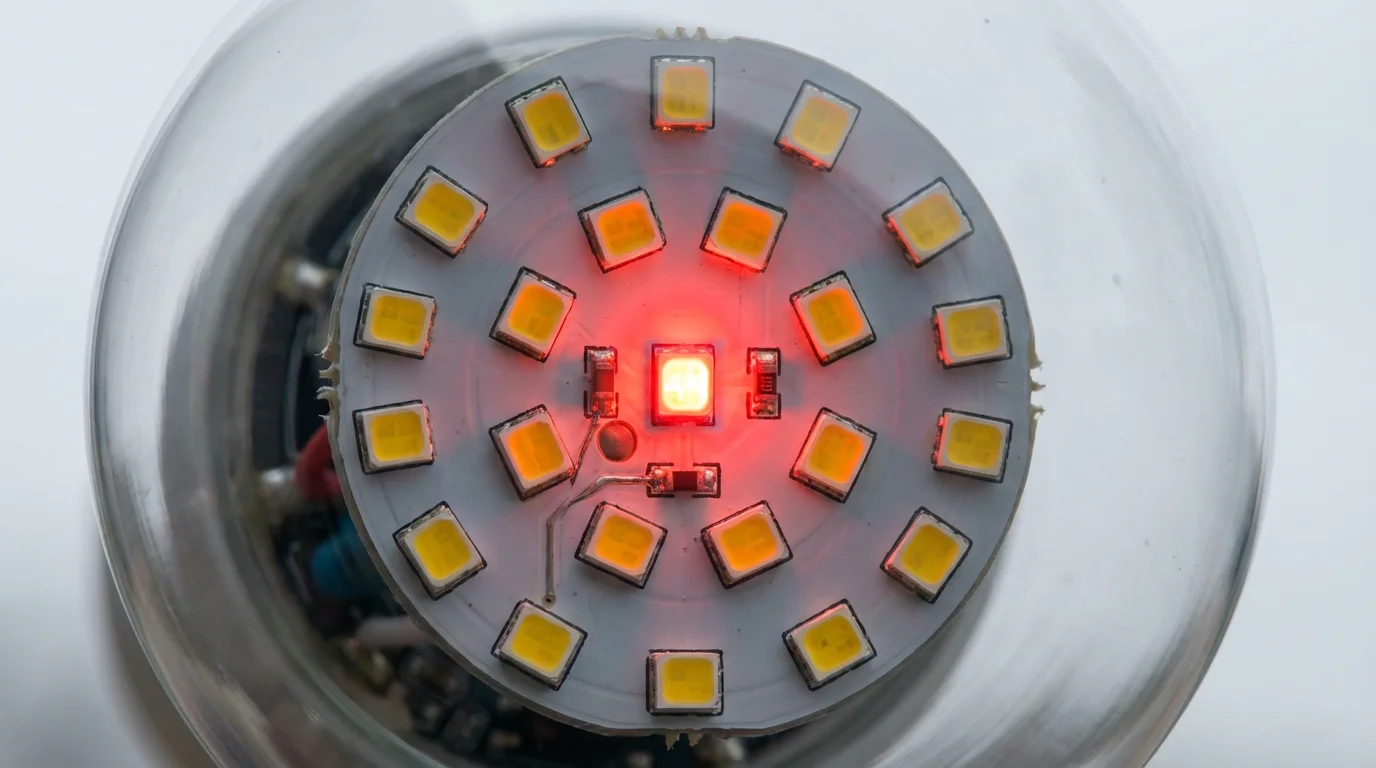
Imagine this sequence: a smart smoke detector detects smoke in the kitchen. Instantly, your smart home system springs into action. Your smart lights throughout the house flash red to alert you visually, and then turn on brightly to illuminate escape routes. Your smart thermostat automatically shuts down the HVAC system, preventing the circulation of smoke or CO. Simultaneously, your smart locks unlock all exterior doors, facilitating a quick and safe exit for occupants and emergency responders. This level of coordinated response provides unparalleled convenience and significantly enhances safety during a crisis.
Specific automation scenarios include:
- Illuminated Escape Routes: If an alarm sounds, smart lights in hallways and stairwells turn on to guide you to safety.
- HVAC Shutdown: Prevent the spread of smoke or CO by automatically turning off your smart thermostat upon detection.
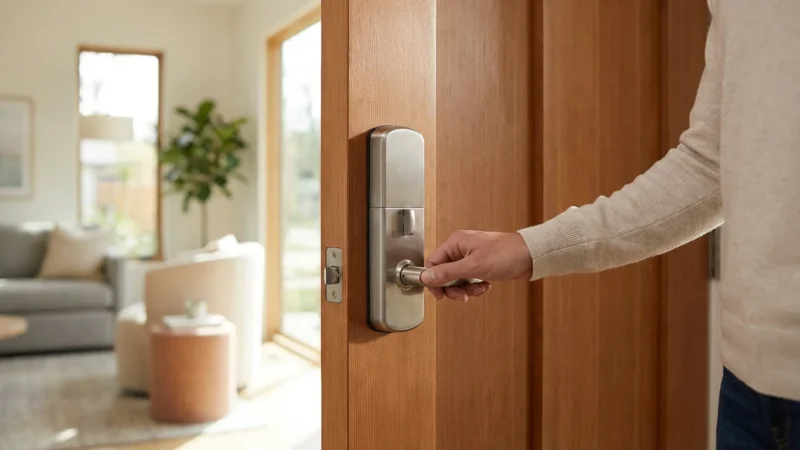
- Door Unlocking: Your smart locks can automatically unlock to ensure easy evacuation and access for first responders.
- Security Camera Activation: Integrate with security cameras to begin recording and send you live footage if an alarm triggers, providing visual verification of the situation.
- Voice Assistant Announcements: Your smart speakers can verbally announce the alarm and its location, ensuring everyone hears the warning.
This interconnectedness means your smart smoke detector becomes a central safety hub. It triggers a cascade of helpful actions from your other smart devices, all designed to protect your family and property. This seamless integration ensures your entire home works together to keep you safe.
Choosing the Right Smart Detector for Your Home
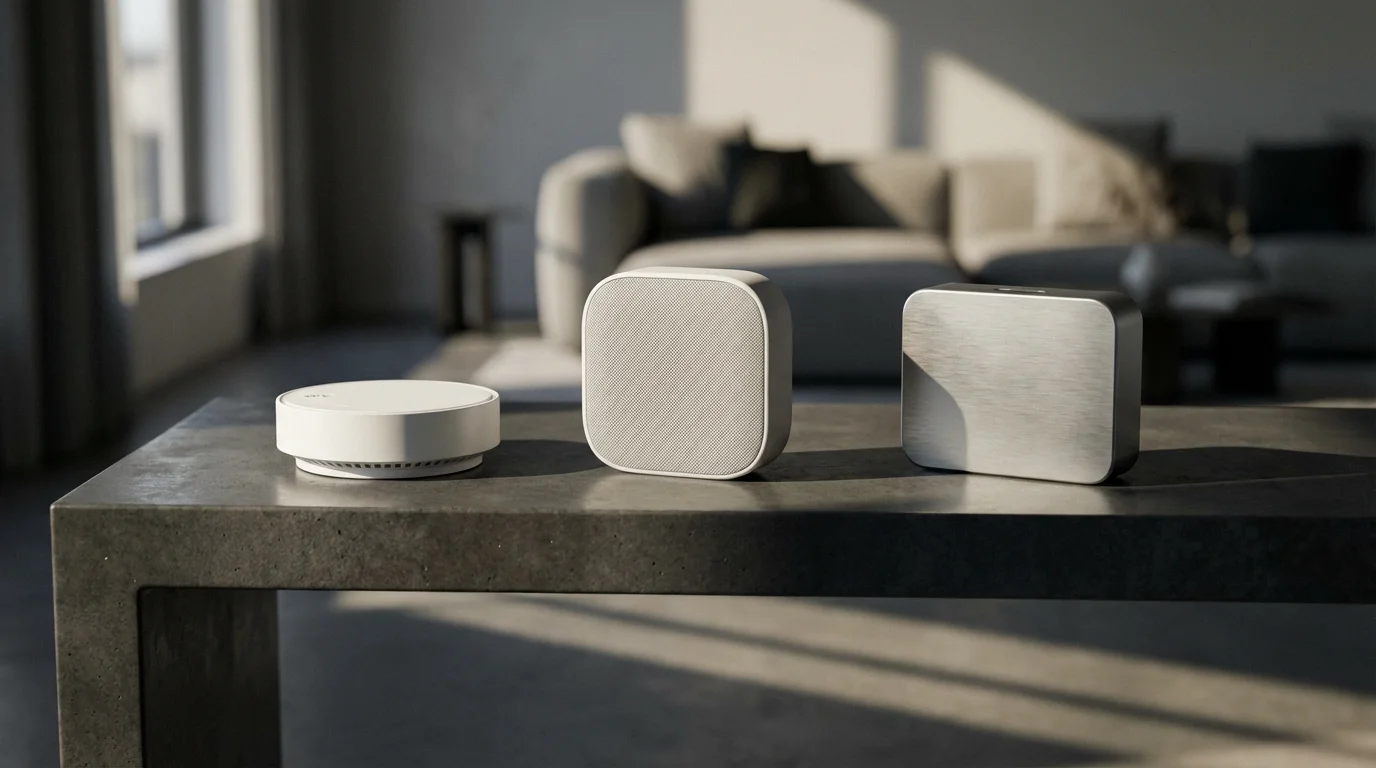
Selecting the ideal smart smoke and CO detector involves considering several factors to ensure it meets your specific needs and integrates well with your existing smart home setup. The market offers various options, each with unique features and connectivity protocols. Making an informed decision ensures you invest in reliable and effective protection.
When deciding on a system, consider whether you prefer professional monitoring vs self-monitoring to handle your home’s emergency alerts.
Key factors to consider:
- Wired vs. Battery-Powered:
- Wired: Connects to your home’s electrical system, providing continuous power. Often includes a battery backup. Ideal for new construction or replacing existing wired detectors.
- Battery-Powered: Offers flexible placement without electrical wiring. Typically uses long-lasting batteries, often with a 5-10 year lifespan. Suitable for renters or homes without existing wired detector locations.
- Connectivity Protocols:
- Wi-Fi: Many popular smart detectors, like Nest Protect, connect directly to your home Wi-Fi. This offers simplicity but can sometimes be more demanding on your network.
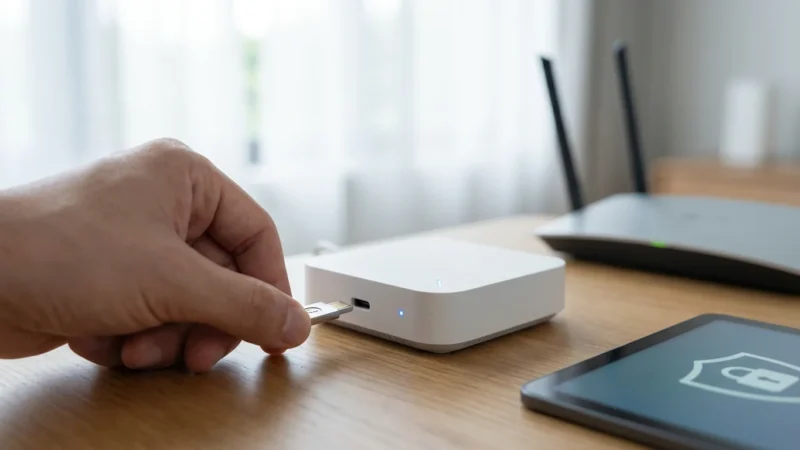
- Zigbee/Z-Wave: These low-power wireless protocols often require a dedicated smart home hub. They create a mesh network, extending range and improving reliability, especially for larger homes or those with many smart devices.
- Matter: The emerging Matter standard aims to unify smart home devices. Matter-compatible detectors will offer broad interoperability across different platforms, simplifying integration. You can learn more about this open standard on the Matter Smart Home Standard website.
- Brand Ecosystems:
- Google Nest Protect: A highly popular choice, known for its voice alerts, multi-sensor detection, and seamless integration with other Google Nest devices like thermostats and cameras. It connects via Wi-Fi.
- Ring Alarm/Abode/Other Security Systems: Many comprehensive smart security systems offer their own integrated smoke and CO detectors that work within their specific ecosystem. These are ideal if you already use or plan to install a full security system.
- First Alert/Kidde: Traditional safety brands have also entered the smart detector market, offering Wi-Fi or Z-Wave enabled options that may integrate with platforms like Samsung SmartThings.
When evaluating products, consider reviews from reputable sources like Consumer Reports Smart Home. They provide independent testing and comparative analyses that highlight the best performers for detection accuracy, user experience, and overall reliability. Researching different models helps you find the best smart smoke detector for your home.
Think about your current smart home devices and whether you prefer an all-in-one ecosystem or a more modular approach. Compatibility remains crucial for unlocking the full automation potential of your smart detectors.
Installation and Maintenance: What You Need to Know
Proper installation and regular maintenance ensure your smart smoke and CO detectors function optimally, providing continuous protection for your home. While smart detectors simplify some aspects of maintenance, understanding best practices remains essential. Always follow the manufacturer’s specific instructions for your device.
Properly installing these sensors is a great first step in learning how to set up a complete smart security system for your property.
Installation best practices:
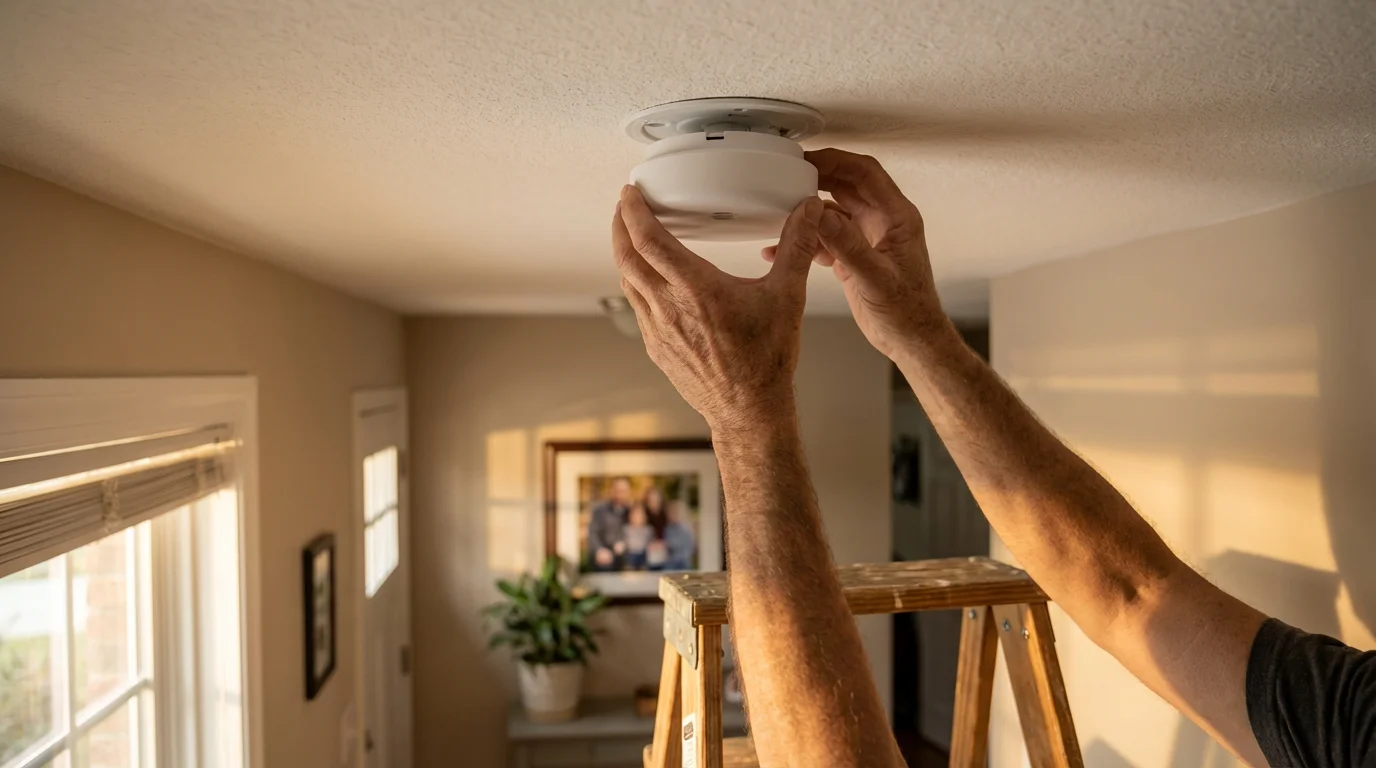
- Strategic Placement: Install detectors on every level of your home, including the basement. Place them inside and outside of sleeping areas. Avoid placing them too close to kitchens or bathrooms where steam or cooking fumes might trigger false alarms.
- Ceiling or High Wall Mounting: Smoke rises, and CO mixes with air, so mounting detectors on the ceiling or high on a wall, typically 4-12 inches from the ceiling, provides optimal detection.
- Interconnection: Ensure all smart detectors in your home are properly linked and communicating with each other through their respective apps or smart home hubs. This ensures whole-home alerts.
- Power Source: For wired detectors, safely connect them to your home’s electrical system. If you are uncomfortable with electrical work, consult a licensed electrician. Battery-powered units require simple battery insertion.
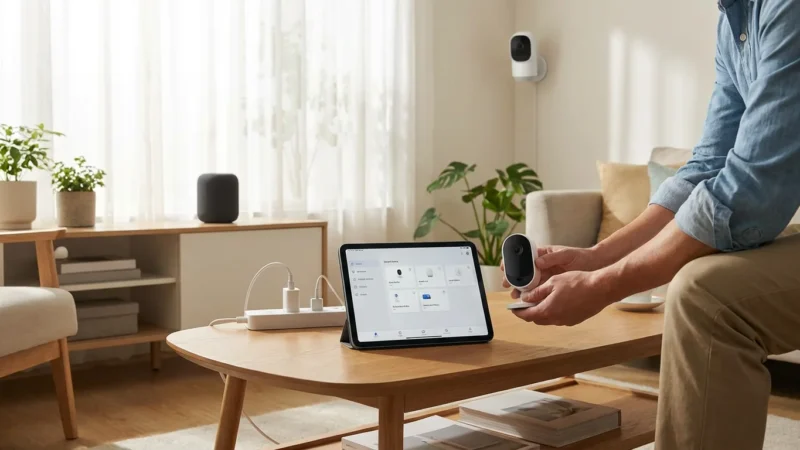
- Initial Setup: Connect your detector to your home Wi-Fi or smart home hub through the companion app. Follow the guided steps to name locations, set up notifications, and configure any smart home integrations.
Maintenance for smart detectors is often simpler than traditional ones, thanks to self-testing features. However, you still play a role in ensuring their effectiveness:
- Monthly Manual Testing: Press the test button on each detector once a month. This verifies the audible alarm works and confirms the device sends notifications to your phone.
- Battery Replacement: Smart apps typically notify you when batteries run low. Replace them promptly, usually once a year for traditional batteries or as indicated for sealed 10-year units.
- Dusting: Gently vacuum or wipe the outside of your detectors every six months to prevent dust from accumulating in the sensing chambers, which can impair performance.
- Review App Notifications: Pay attention to any alerts from your detector’s app regarding sensor status, connectivity issues, or impending end-of-life.
- Replace at End-of-Life: All smoke and CO detectors have a limited lifespan, typically 7-10 years. Your smart detector’s app will often remind you when it is time for replacement. Do not wait for failure, proactively replace old units.
For any complex electrical work or if you are unsure about proper placement and installation, always consult a licensed professional. Your safety depends on correctly installed and maintained equipment.
Privacy and Security with Smart Detectors
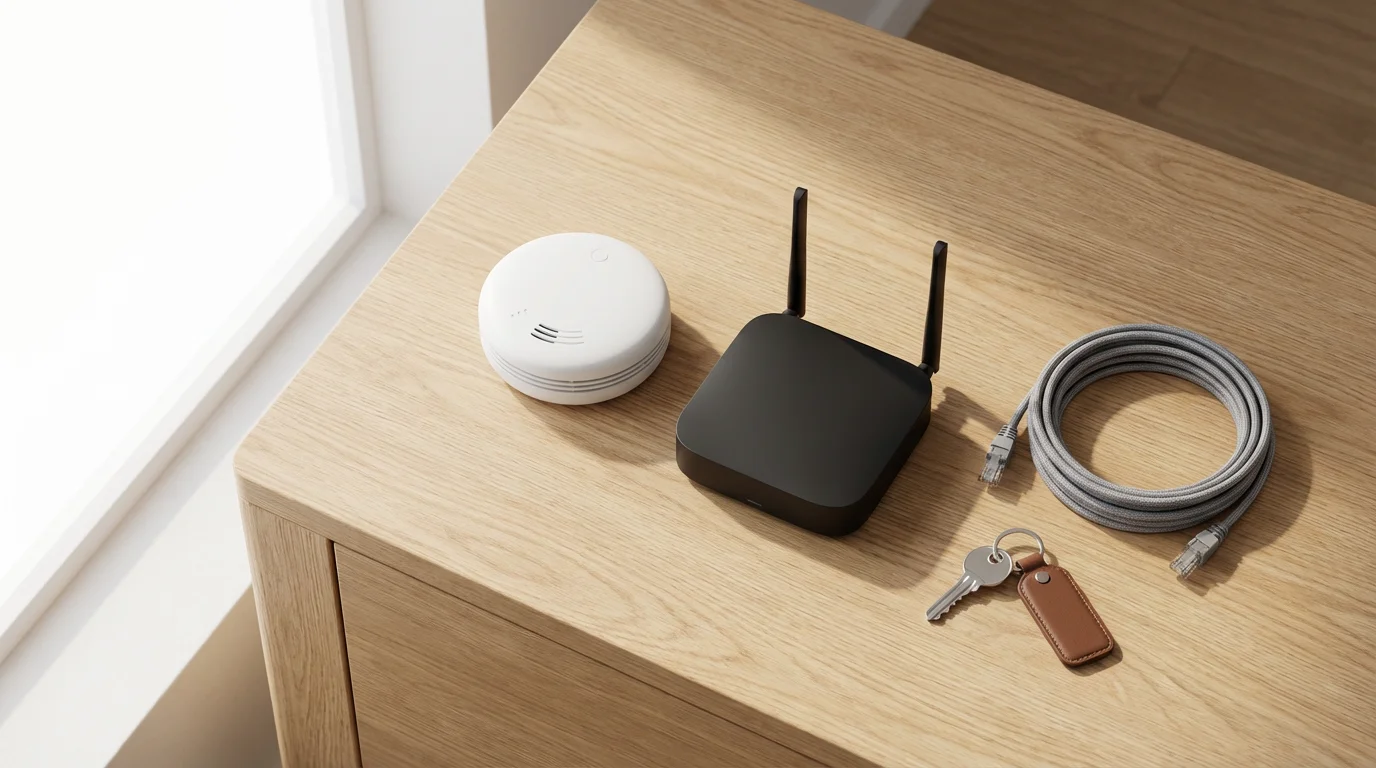
Integrating smart devices into your home raises valid questions about privacy and security. Smart smoke and CO detectors, while primarily focused on safety, are connected devices that send data over your home network and to cloud services. Addressing these concerns proactively ensures peace of mind alongside enhanced protection.
As with any connected device, it is vital to learn how to secure your smart home from hackers to ensure your safety network remains private.
These detectors typically collect data related to their operational status, battery levels, and environmental readings (like smoke, CO, temperature, and humidity). They also log events such as alarms and tests. This data helps the device function, sends you notifications, and enables smart home integrations. However, you want to ensure this data remains secure and used only as intended.
Privacy and security best practices for your smart detectors:
- Strong Passwords and Two-Factor Authentication: Use unique, complex passwords for your smart home accounts. Enable two-factor authentication (2FA) whenever available. This adds a crucial layer of security, making unauthorized access much harder.
- Secure Wi-Fi Network: Ensure your home Wi-Fi network uses WPA2 or WPA3 encryption. Use a strong password for your router and change the default login credentials. A secure network forms the foundation of all smart home device security.
- Regular Firmware Updates: Keep your smart detector’s firmware updated. Manufacturers frequently release updates to patch security vulnerabilities and improve performance. Enable automatic updates if possible, or check manually through the device’s app.
- Understand Data Policies: Familiarize yourself with the privacy policy of your smart detector’s manufacturer. Understand what data they collect, how they use it, and how they protect it.
- Reputable Brands: Choose smart detectors from well-known and trusted brands with a proven commitment to security and user privacy. These companies invest heavily in protecting user data.
By taking these steps, you safeguard your personal data while enjoying the superior safety benefits of your smart smoke and CO detectors. You maintain control over your information and ensure your home remains both smart and secure.
Making the Smart Choice for Your Home’s Safety
Upgrading to a smart smoke and CO detector system represents a significant step forward in securing your home and protecting your loved ones. These devices move beyond the limitations of traditional alarms, offering a proactive, connected, and intelligent approach to safety. You gain constant vigilance, immediate communication, and the power to integrate safety measures seamlessly into your broader smart home ecosystem.
The ability to receive remote notifications, pinpoint the location of a threat with voice alerts, and trigger coordinated responses from other smart devices provides an unmatched level of preparedness. You invest in more than just an alarm; you invest in peace of mind, knowing your home actively watches for dangers even when you cannot.
Take action today to assess your current safety systems. Consider replacing outdated detectors with smart models. Research brands like Nest Protect, explore Matter-compatible options, and understand why upgrading to a smart smoke alarm brings invaluable benefits. Your home deserves the most advanced protection available, and smart smoke and CO detectors deliver exactly that.
Frequently Asked Questions
How often should I test my smart smoke and CO detectors?
Test your smart detectors monthly by pressing the test button. Many smart detectors also perform self-tests and report their status through an app, but a manual test confirms the audible alarm and notification system still work correctly. Replace batteries annually, or as the app prompts.
Can smart smoke detectors communicate with each other?
Yes, a significant advantage of smart smoke detectors is their ability to interconnect. When one detector senses smoke or carbon monoxide, it triggers all other connected smart detectors in your home to alert you simultaneously. This ensures widespread notification, regardless of where the incident originates.
Do I need a smart home hub for smart smoke and CO detectors?
It depends on the specific detector model. Many popular smart smoke and CO detectors, like Nest Protect, connect directly to your home’s Wi-Fi network and operate independently without a separate hub. Other models, particularly those using Zigbee or Z-Wave, require a compatible smart home hub to function fully and integrate with your broader smart home system. Always check the product specifications.
What happens if my internet goes out?
Smart smoke and CO detectors still function as traditional alarms even without an internet connection. They sound a local siren if they detect smoke or carbon monoxide. However, they cannot send remote notifications to your phone or interact with other smart home devices during an internet outage. Your local, audible safety remains intact.
Disclaimer: This article is for informational purposes only. Smart home devices involve electrical connections and data privacy. Always follow manufacturer instructions for installation. For complex wiring or HVAC work, consult a licensed professional.



Leave a Reply