
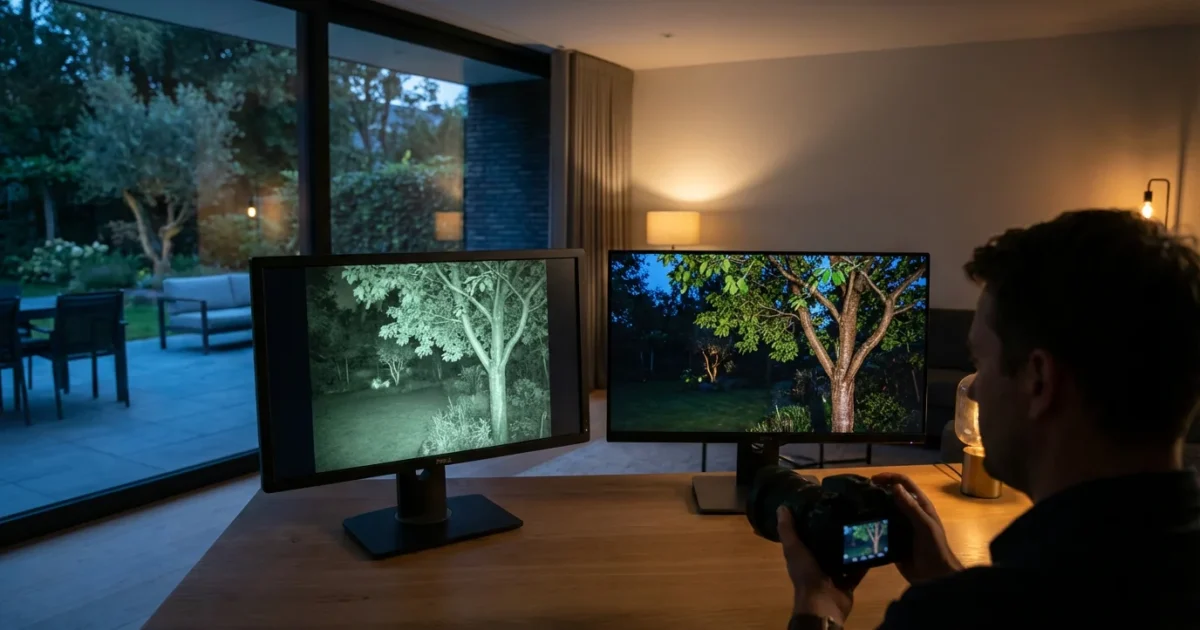
Securing your home means maintaining visibility, even when darkness falls. Traditional security cameras often rely on infrared technology to provide night vision, presenting a grayscale view of your property. However, advancements in camera technology now offer color night vision, promising a richer, more detailed picture after sunset. Understanding the distinction between these two options helps you make an informed decision for your home’s security needs.
You want clear, actionable footage when it matters most, whether identifying an intruder or simply checking on your pets in the yard. This guide breaks down the core differences, helping you choose the best night vision security camera for your specific situation. We will explore how each technology works, its benefits, its limitations, and how these features impact your ability to monitor your home effectively.
Understanding Traditional Night Vision Cameras
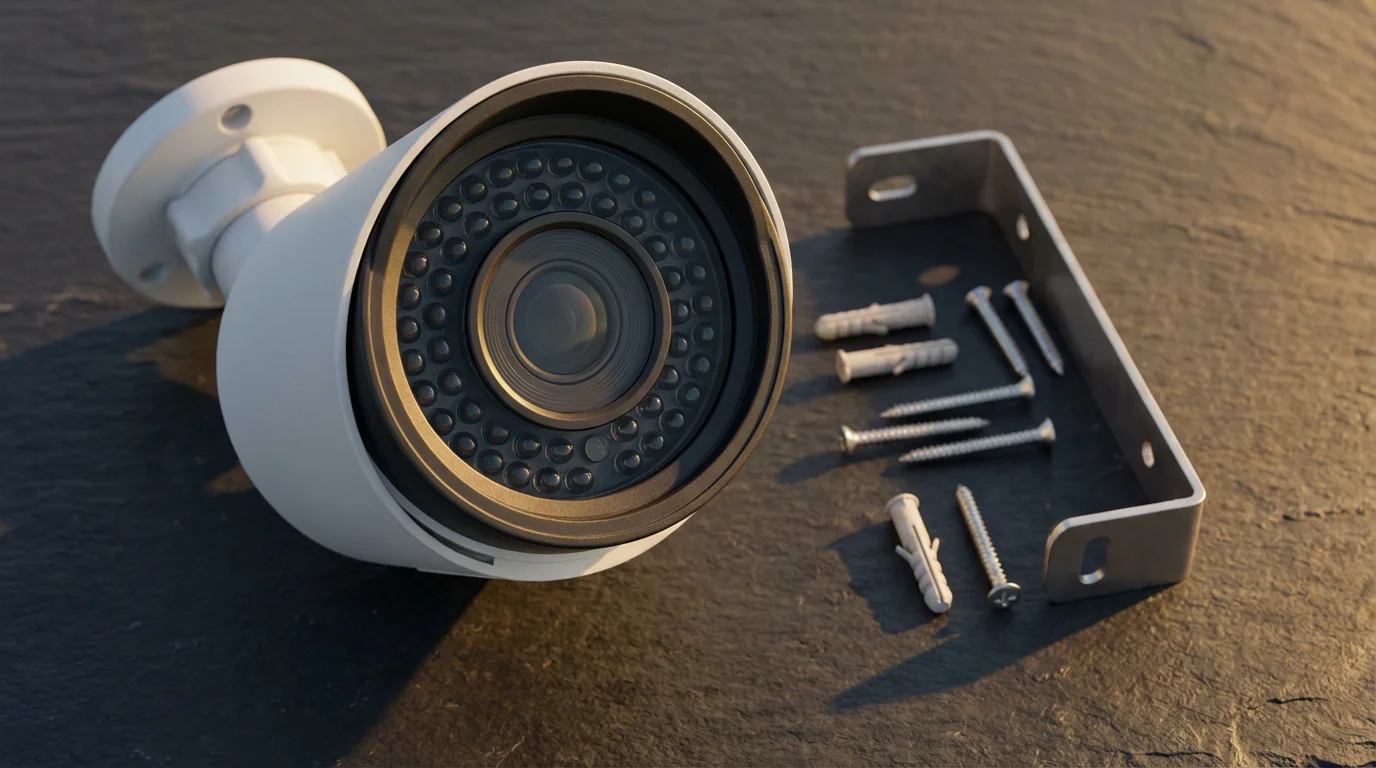
Traditional night vision cameras operate by detecting infrared (IR) light. This light is invisible to the human eye, but camera sensors can pick it up. Most night vision cameras have built-in IR LEDs that emit this light, illuminating the scene even in complete darkness.
The camera then processes this reflected IR light to create an image. Since IR light does not carry color information in the same way visible light does, the resulting image appears in black and white, or monochrome. This grayscale view highlights shapes and movement effectively.
How Traditional Night Vision Works
Traditional night vision systems rely on a straightforward process:
- Infrared Emitters: Small LEDs around the camera lens emit infrared light. This acts like a flashlight for the camera, but it remains unseen by people.
- Light Reflection: This invisible IR light bounces off objects in the camera’s field of view.
- Monochrome Sensor: The camera’s image sensor, often a CMOS or CCD, is highly sensitive to IR light. It captures the reflected light.
- Image Conversion: The camera’s processor converts the IR data into a visible image. Because color information is absent from the IR spectrum, the output is grayscale.
Advantages of Traditional Night Vision
These `night vision cameras` offer several compelling benefits for home security:
- Cost-Effective: Generally, cameras with traditional IR night vision are more affordable, making them an accessible entry point for home security.
- Excellent Range in Darkness: IR light travels well in dark environments, allowing these cameras to capture clear images over significant distances, even in pitch black conditions.
- Stealthy Operation: The infrared light is invisible to the human eye, so the camera operates without drawing attention to itself. This makes it ideal for discreet monitoring.
- Clear Outlines and Movement: They excel at detecting motion and outlining objects or individuals, providing crucial context for security alerts.
Limitations of Traditional Night Vision
While effective, traditional night vision has its drawbacks:
- Lack of Color Detail: You cannot discern colors like clothing, vehicle make, or hair color. This makes identification challenging for law enforcement or personal use.
- Washed-Out Effect: Objects closer to the camera can appear overexposed or “washed out” due to intense IR reflection, obscuring details.
- Limited Specificity: Without color, distinguishing between a neighbor’s cat and a potential intruder, or different vehicle models, becomes much harder.
For instance, a traditional night vision camera might show a person wearing a dark shirt. A `color night vision` camera would reveal that the shirt is blue with a distinctive logo.
The Rise of Color Night Vision Technology
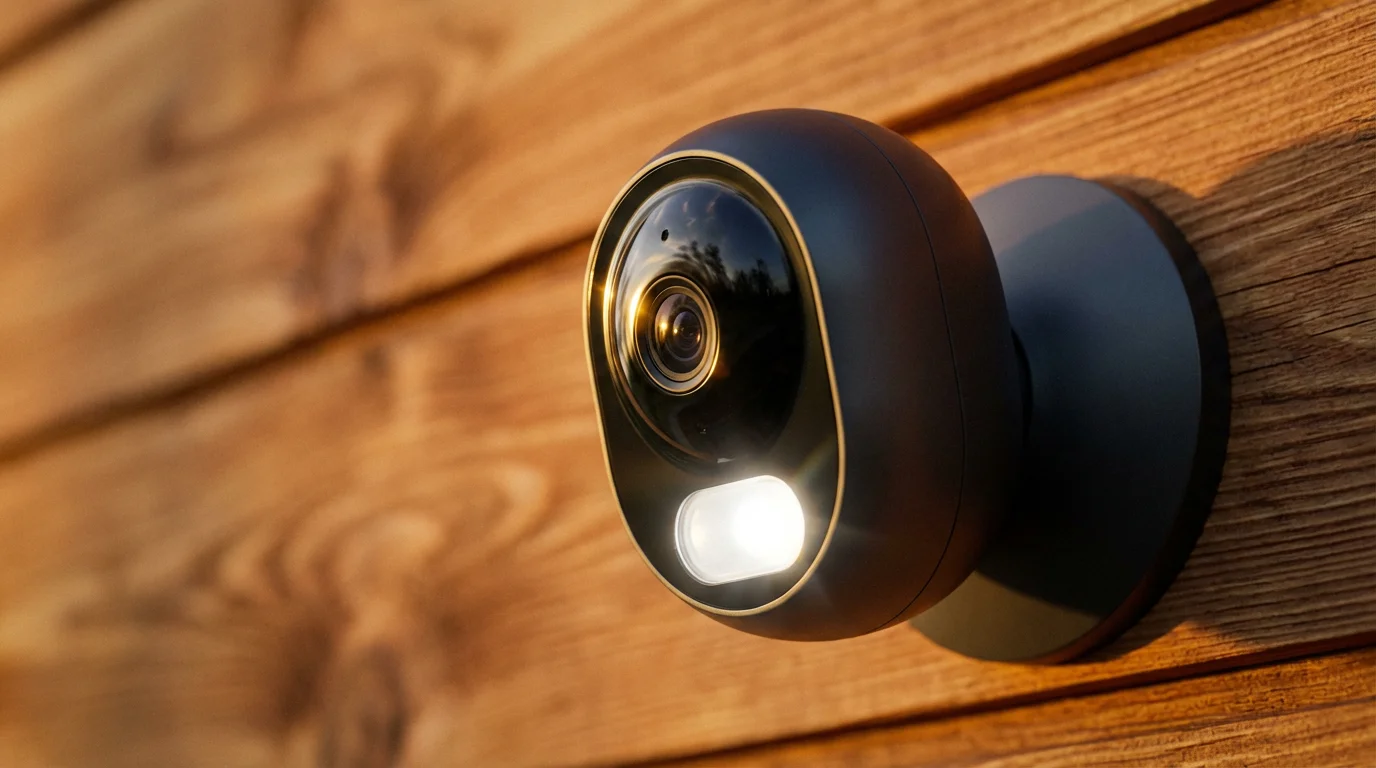
`Color night vision` represents a significant leap forward in security camera technology. Instead of relying solely on infrared, these cameras employ various techniques to capture color information even in extremely low light conditions. This provides a more detailed and identifiable image of nighttime activity.
Different manufacturers achieve color night vision through distinct methods, each with its own strengths. Understanding these approaches helps you appreciate the nuances of `low light recording` with color.
How Color Night Vision Works
This technology is becoming increasingly common in smart security systems without monthly fees, providing high-end features with no recurring costs.
Color night vision cameras leverage different technologies to achieve full-color images after dark:
- Starlight Sensors: These cameras use highly sensitive image sensors with larger apertures. They can capture and amplify even the faintest amounts of ambient light, like moonlight or distant streetlights, to produce a color image without relying on artificial illumination. The image quality depends heavily on available ambient light.
- Supplemental White Light: Some cameras integrate powerful, visible white LED lights. When the ambient light drops below a certain threshold, these LEDs activate, flooding the scene with light. The camera then captures a standard color image, similar to daytime recording. This approach provides excellent color and detail, but it makes the camera visible and can be intrusive.
- Dual-Sensor Technology: Advanced systems might combine both approaches, using a highly sensitive starlight sensor for passive color capture and only activating white light LEDs if conditions become too dark. This offers flexibility and optimizes image quality.
Advantages of Color Night Vision
The benefits of `color night vision` are clear, especially for evidence collection:
- Enhanced Identification: Color details like clothing, vehicle colors, skin tone, and hair color become visible, drastically improving the chances of identifying individuals or objects.
- Richer Context: A color image provides a more accurate representation of events, offering better contextual understanding of what occurred. This is crucial for investigations.
- Improved Evidence: Law enforcement agencies often prefer color footage due to its higher evidentiary value. It makes a significant difference in solving crimes.
- Better Depth Perception: Color helps the human eye perceive depth and separation between objects more effectively than monochrome images.
For example, a security incident caught on a traditional `night vision camera` might only show a person fleeing. A `color night vision` recording could reveal they wore a distinctive red jacket and drove a green car, providing vital clues.
Limitations of Color Night Vision
Despite its advantages, color night vision also has certain considerations:
- Higher Cost: The advanced sensors and processing required for color night vision generally mean these cameras come with a higher price tag.
- Requires Ambient or Artificial Light: Starlight color night vision needs *some* ambient light. In absolute pitch darkness, it may revert to black and white or struggle to produce a clear image. Cameras relying on white light solve this, but at the cost of being visible.
- Potential for Light Pollution: Cameras that use white light for illumination can be bright and might disturb neighbors or draw unwanted attention to the camera’s location.
- Reduced Stealth: White light activation instantly reveals the camera’s presence, unlike the invisible IR light of traditional systems.
Key Differences in Detail and Identification
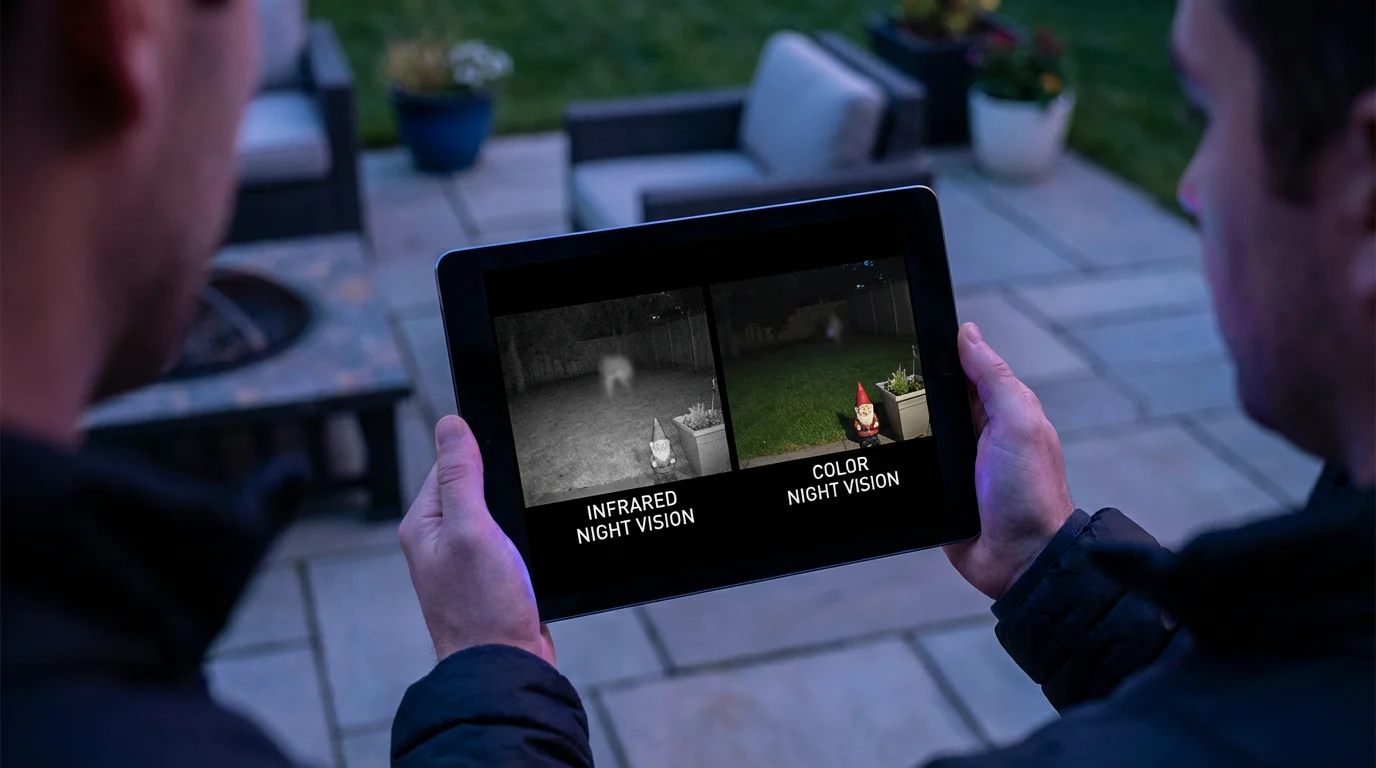
The most significant difference between traditional night vision and `color night vision` lies in the level of detail they provide for identification. This directly impacts the usability of your security footage. When reviewing incidents, color significantly aids recognition.
Traditional `night vision cameras` excel at showing you that someone is there and what they are doing in a general sense. They provide excellent motion detection and outline clarity. However, the monochrome image strips away crucial identifying characteristics. You might see a person, but you cannot determine their hair color, shirt color, or the specific model and color of a vehicle they arrived in. This makes pinpointing specific details difficult for investigations.
Color night vision, conversely, retains these vital details. With `color night vision`, you can discern the brand logo on a jacket, the color of a backpack, or even facial features more clearly. This becomes invaluable when collaborating with authorities or trying to identify repeat offenders. The ability to distinguish a red car from a blue one, or a person wearing a yellow hat from someone in a black one, provides a much stronger foundation for identification.
Impact on Evidence and Investigations
The ability to see in full color is a massive advantage when you need to monitor your home security remotely via a smartphone app.
The clarity offered by `color night vision` directly translates to more actionable evidence.
- Witness Descriptions: If you or a witness describe an intruder, color footage can corroborate or enhance those descriptions. For example, “a tall person in a dark jacket” becomes “a tall person in a distinctive blue jacket with reflective stripes.”
- Vehicle Identification: Identifying a suspect’s vehicle is significantly easier with color. License plates, often reflective, can stand out, and the vehicle’s make, model, and color become unmistakable.
- Contextual Understanding: Color adds a layer of realism that helps interpret events. A package left on the porch looks like a brown box, not just a gray blob. This reduces ambiguity and improves your understanding of the scene.
Consider a situation where a package disappears from your porch. A traditional `night vision camera` might show a figure taking a rectangular object. A `color night vision` camera could show the person’s bright yellow hoodie, their facial features, and the distinctive packaging of the item, dramatically increasing the chances of recovery or apprehension. This stark contrast highlights why many homeowners find `night vision vs color night vision cameras which is better` heavily leaning towards color for critical areas.
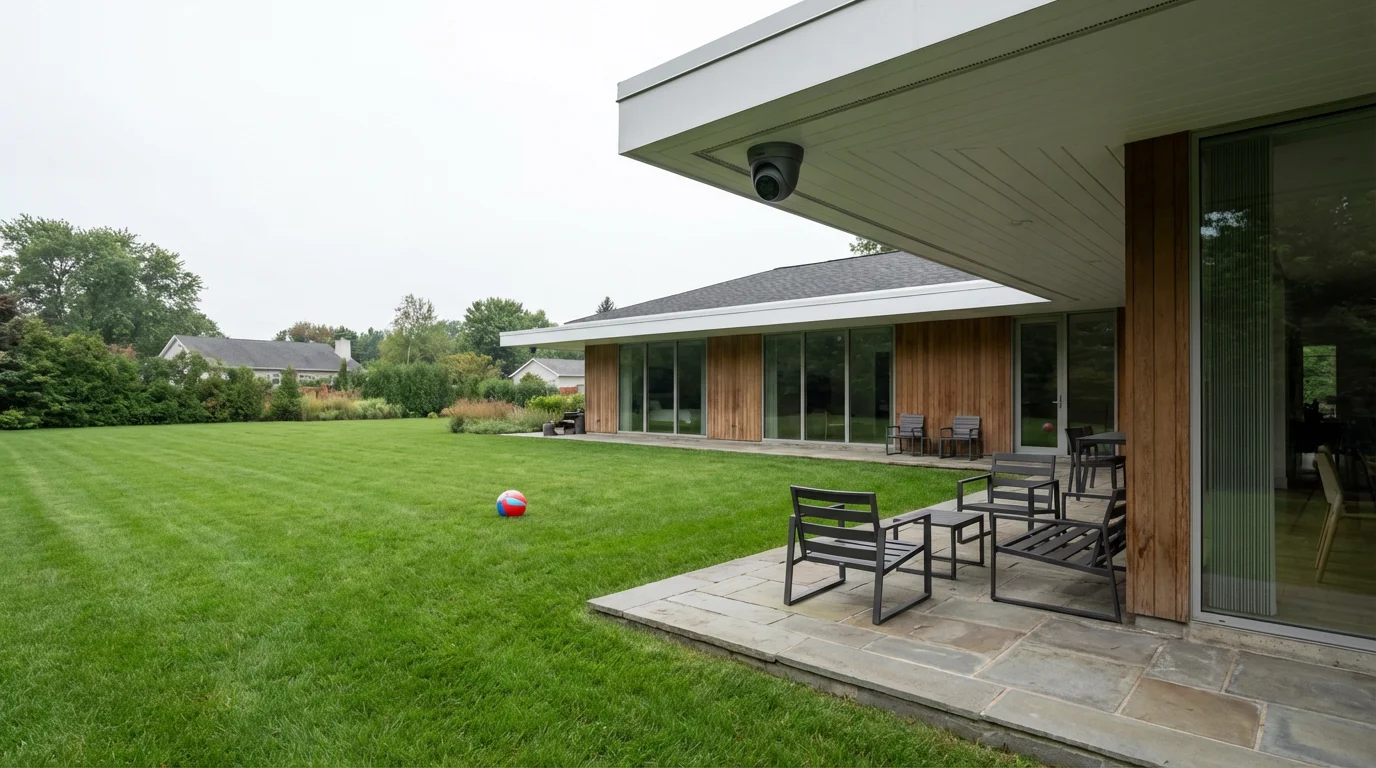
Low Light Recording Capabilities Explained
Beyond just having or not having color, the overall quality of `low light recording` depends on several key camera specifications. These factors determine how much detail and clarity your camera can capture when ambient light is scarce, affecting both traditional and color night vision performance. Understanding these capabilities helps you evaluate camera specifications more effectively.
Key Factors Influencing Low Light Performance
To get the most out of your hardware, it is helpful to understand how to integrate security cameras with your smart home for automated lighting and recording.
Several technical elements contribute to a camera’s ability to record effectively in dim environments:
- Image Sensor Size: Larger image sensors can collect more light photons, which directly translates to better low-light performance. Think of it like a bigger bucket catching more raindrops. Cameras with larger sensors often produce less noisy images at night.
- Lens Aperture (f-stop): The aperture is the opening in the lens that controls how much light enters the camera. A lower f-number (e.g., f/1.4 compared to f/2.0) indicates a wider aperture, allowing more light to reach the sensor. This is crucial for both traditional and `color night vision`, especially starlight models.
- Image Signal Processor (ISP): The ISP is the brain of the camera, responsible for processing the raw data from the sensor into a viewable image. Advanced ISPs use sophisticated algorithms to reduce noise, enhance color accuracy, and improve detail in low-light conditions.
- Dynamic Range: A camera with good dynamic range can capture detail in both very bright and very dark areas of the same image simultaneously. This is important at night when you might have bright streetlights and deep shadows in the same frame.
Ambient Light and Supplemental Illumination
The presence or absence of ambient light significantly influences night vision performance.
- Ambient Light: Natural light sources like moonlight, starlight, or distant streetlights are vital for starlight `color night vision`. The more ambient light available, the better the color accuracy and detail will be.
- Infrared (IR) Illumination: Traditional `night vision cameras` use IR LEDs to provide their own light source. The power and number of these LEDs determine the effective range of the night vision. More powerful IR arrays illuminate larger areas.
- White Light Illumination: Cameras utilizing supplemental white light LEDs actively illuminate the scene with visible light, allowing the camera to record in full color. The brightness and coverage of these LEDs are important.
For instance, a `best night vision security camera` featuring starlight `color night vision` might struggle in a rural area with no streetlights. However, a camera using white light illumination would perform exceptionally well in the same scenario, albeit by actively illuminating the area.
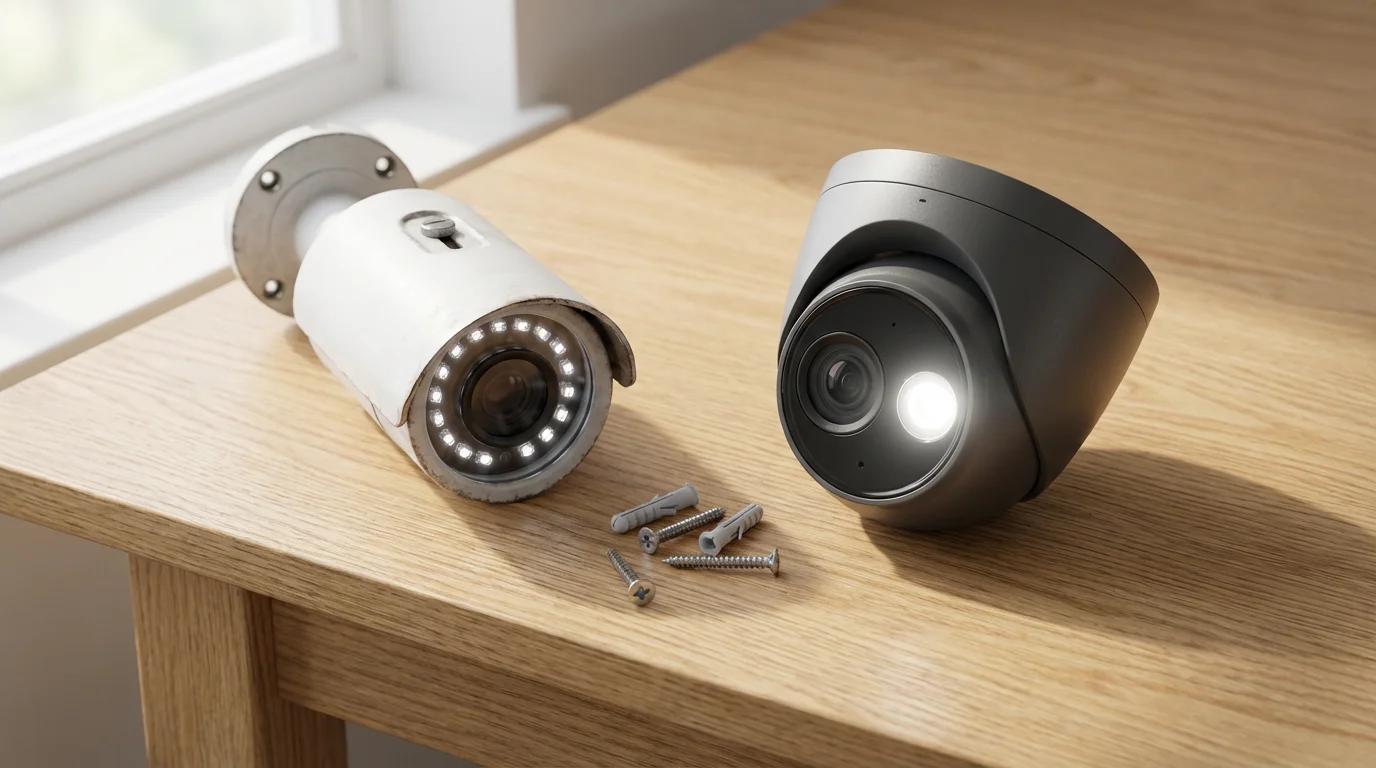
Night Vision vs Color Night Vision Cameras: Which is Better for Your Home?
Deciding between traditional `night vision cameras` and those offering `color night vision` depends heavily on your specific security priorities, budget, and the environment where you plan to install the camera. There is no single “better” option; the ideal choice aligns with your individual needs.
You need to weigh the importance of detailed identification against factors like cost and discreet operation. This section helps you evaluate which technology provides the most value for your home security setup.
Factors to Consider for Your Decision
Once you have chosen between IR and color, you can follow our guide on how to set up a complete smart security system to ensure your property is fully covered.
Consider these points when choosing your night vision camera:
- Budget: Traditional IR `night vision cameras` are generally more affordable, making them a good option for widespread coverage or budget-conscious installations. `Color night vision` technology often comes at a higher price point due to more advanced sensors and processing.
- Identification Needs: If capturing specific details like clothing colors, vehicle identification, or facial features for law enforcement is a high priority, `color night vision` offers a clear advantage. If general surveillance and motion detection are sufficient, traditional IR is effective.
- Ambient Light Conditions: For areas with some existing ambient light (streetlights, porch lights), starlight `color night vision` can perform well without needing active illumination. In completely dark areas, cameras with supplemental white light are necessary for color, or traditional IR will provide reliable monochrome footage.
- Discreet Operation: If you prefer your cameras to be as inconspicuous as possible, traditional IR night vision is ideal. The invisible IR light does not draw attention. Cameras using white light for color night vision will be noticeable when active.
- Desired Range: High-power IR arrays in traditional `night vision cameras` can illuminate very long distances in pitch black. Some starlight color night vision cameras might have a slightly shorter effective range for true color in minimal light.
Scenario-Based Recommendations
Here are some common scenarios to help you determine which `night vision vs color night vision cameras which is better` for specific locations:
- Front Door/Porch: `Color night vision` is highly recommended here. This area is often well-lit by porch lights, which enhance color night vision without needing bright white LEDs. It helps identify visitors or package thieves with critical detail.
- Backyard/Side Yard: If the area has some ambient light from neighbors or a distant street, a starlight `color night vision` camera can be excellent. For completely dark backyards, a camera with white light illumination or traditional IR might be more practical, depending on whether you prioritize stealth or color detail.
- Garage/Driveway: `Color night vision` is very beneficial for identifying vehicles and people approaching your property. If your driveway is dark, a camera with supplemental white light or powerful IR is crucial.
- Interior Spaces: For indoor use, especially in rooms that become completely dark, traditional IR night vision is often sufficient and more discreet. For nurseries or pet monitoring, `color night vision` can provide clearer, more reassuring images.
Ultimately, you might opt for a hybrid approach, using `color night vision` for high-priority areas like the front door and traditional `night vision cameras` for less critical zones or areas where stealth is paramount. This strategy often represents the `best night vision security camera` setup for comprehensive home protection.
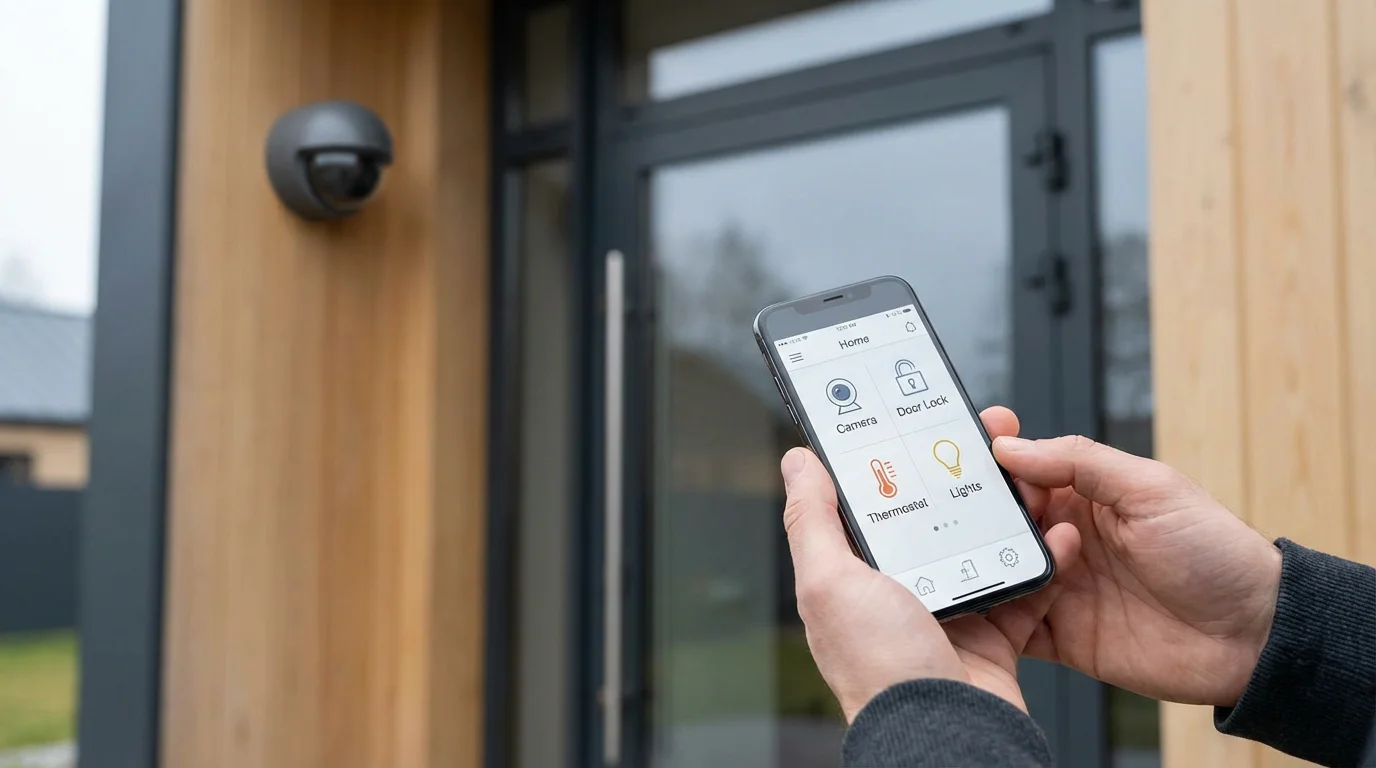
Integrating Night Vision Cameras into Your Smart Home Security
Modern `smart security` cameras, whether they feature traditional or `color night vision`, are designed to integrate seamlessly into your broader smart home ecosystem. This connectivity enhances their utility, transforming a standalone device into a powerful component of your automated home. Integration allows your cameras to communicate with other smart devices, triggering actions and providing a more cohesive security experience.
You gain more than just surveillance; you create a reactive and intelligent security network. Leveraging these integrations means your cameras do not just watch, they actively participate in protecting your home.
Benefits of Smart Home Integration
Integrating your `night vision cameras` unlocks several powerful capabilities:
- Automated Lighting: Link your camera’s motion detection to smart lights. If the camera detects movement in your driveway at night, your exterior smart lights can automatically turn on, deterring potential intruders and providing better illumination for your camera’s `low light recording`.
- Smart Alerts and Notifications: Receive immediate alerts on your smartphone when motion is detected. Many systems allow you to customize detection zones and sensitivity, reducing false alarms.
- Voice Assistant Control: Use voice commands to view camera feeds on smart displays. For example, “Show me the front door camera” on your smart display.
- Siren and Alarm Activation: Integrate with smart security systems to trigger sirens or alarms when suspicious activity is detected by your night vision camera, adding an active deterrent.
- Routine Automation: Create complex routines. For instance, when your outdoor `color night vision` camera detects motion after midnight, it could turn on specific interior lights to give the impression someone is home, lock smart doors, and send you a notification.
Choosing Compatible Cameras and Systems
To ensure smooth integration, consider compatibility from the outset:
- Smart Home Hubs: Many cameras integrate directly with popular smart home hubs and platforms like Google Home, Amazon Alexa, or Apple HomeKit. Check for compatibility logos.
- Open Standards: Cameras supporting open standards like Matter, Zigbee, or Z-Wave offer broader compatibility with various devices and systems. Matter, for example, aims to unify smart home ecosystems, making device integration simpler. According to the Connectivity Standards Alliance, Matter aims to connect more devices, simplify setup, and streamline experiences, which will benefit camera integration.
- Brand Ecosystems: Some cameras perform best within their own brand’s ecosystem (e.g., Ring, Arlo, Eufy). If you already own devices from a specific brand, adding their cameras often provides the most seamless experience.
When selecting a `best night vision security camera`, ensure it can connect with your existing or planned smart home setup. This maximizes its value and functionality, providing you with a truly intelligent `smart security` solution.
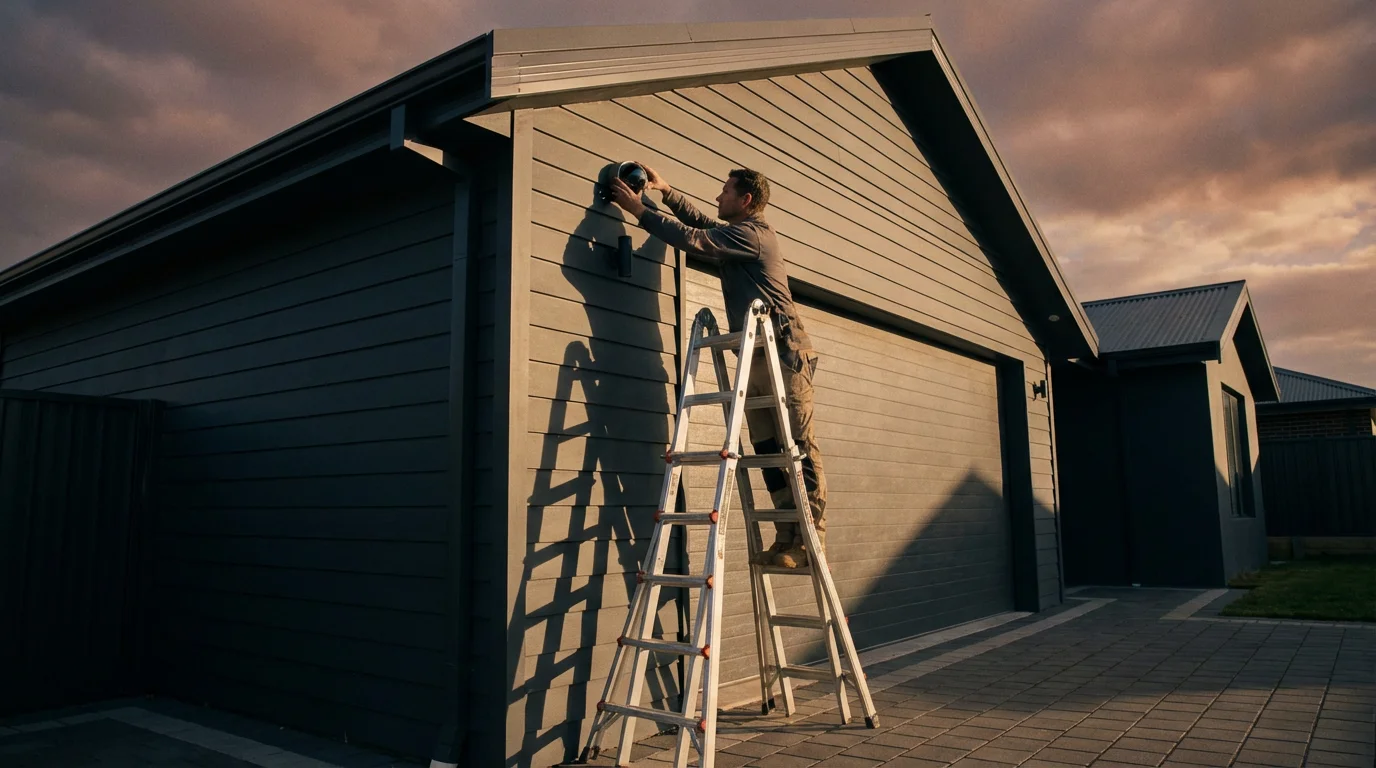
Choosing the Best Night Vision Security Camera: What to Look For
Selecting the `best night vision security camera` involves evaluating more than just its ability to see in the dark. A comprehensive assessment considers various features that contribute to overall performance, reliability, and ease of use. You need a camera that captures clear footage, offers convenient access, and maintains your data’s integrity.
This section guides you through essential specifications and considerations, ensuring you pick a camera that meets your security expectations and integrates well into your smart home.
Key Camera Specifications and Features
When comparing `night vision cameras` or `color night vision` models, pay attention to these details:
- Resolution: Aim for at least 1080p (Full HD) for clear images. Higher resolutions like 2K or 4K provide even greater detail, which is especially beneficial for zooming in on footage and identifying smaller elements.
- Field of View (FOV): A wider FOV means the camera covers a larger area. Look for cameras with 130 degrees or more for outdoor monitoring. Pan-tilt-zoom (PTZ) cameras offer dynamic coverage but require manual or automated adjustments.
- Two-Way Audio: This feature allows you to hear what is happening and speak through the camera, acting as a deterrent or for communicating with delivery personnel.
- Motion Detection and Zones: Advanced motion detection can differentiate between people, animals, and vehicles, reducing false alarms. Customizable motion zones let you focus detection on specific areas of interest.
- Storage Options:
- Cloud Storage: Convenient for remote access and backup, but often involves a monthly subscription fee.
- Local Storage: MicroSD card slots or NVR/DVR connectivity provide storage without ongoing fees, offering more control over your data. However, local storage is vulnerable if the camera is stolen. For example, Wirecutter, a product review service from The New York Times, often highlights cameras with flexible storage options as a key feature.
- Weatherproofing: For outdoor cameras, look for an IP (Ingress Protection) rating of IP65 or higher, indicating resistance to dust and water jets, ensuring durability in various weather conditions.
- Power Options:
- Wired: Offers continuous power and reliable connectivity, but requires installation near an outlet or professional wiring.
- Battery-Powered: Provides flexible placement and easier installation, but requires periodic recharging or battery replacement.
Privacy and Security Best Practices for Cameras
Your security camera is only as secure as the network it is connected to. Implement these practices:
“The best smart home is the one you don’t have to manage constantly. It works seamlessly and securely in the background.”
- Strong Passwords: Change default passwords immediately to strong, unique combinations for your camera and Wi-Fi network.
- Two-Factor Authentication (2FA): Enable 2FA on your camera accounts to add an extra layer of security against unauthorized access.
- Secure Wi-Fi Network: Use WPA2 or WPA3 encryption for your home Wi-Fi and consider creating a separate guest network for smart devices to isolate them from your primary network.
- Firmware Updates: Regularly update your camera’s firmware. Manufacturers release updates to fix vulnerabilities and improve performance.
- Privacy Zones: Utilize privacy zone features to black out areas you do not wish to record, protecting neighbors’ property or public spaces.
By prioritizing these features and security measures, you ensure your chosen `night vision camera` delivers reliable performance and peace of mind.

Installation Tips and Safety Considerations
Proper installation is crucial for maximizing the effectiveness of your `night vision cameras` and ensuring their longevity. Incorrect placement or unsafe wiring practices can compromise your security and even pose hazards. You want your camera positioned optimally for `low light recording` and securely mounted to withstand the elements.
This section provides practical advice for setting up your security cameras, along with important safety warnings to protect yourself and your home. Always prioritize safety and know when to seek professional help.
Optimal Placement for Night Vision
Strategic placement significantly impacts your camera’s performance:
- Clear Line of Sight: Mount cameras where they have an unobstructed view of key entry points, driveways, or areas of concern. Avoid placing them where foliage or structures might block the view.
- Height and Angle: Position cameras high enough to prevent tampering (e.g., 8-10 feet off the ground) but low enough to capture clear facial details. An angled view generally provides better depth and context than a direct overhead shot.
- Avoid Direct Light Sources: Do not point a camera directly into bright lights, such as streetlights or floodlights, at night. This can create glare and wash out the image, reducing the effectiveness of both traditional and `color night vision`. If using a white-light-enabled camera, ensure its light does not create excessive glare on reflective surfaces.
- Wi-Fi Signal Strength: Ensure your chosen mounting location has a strong and stable Wi-Fi signal. Test the signal before final installation using your phone or the camera’s setup app. A weak signal leads to dropped connections and unreliable footage.
Powering Your Camera
Consider these options for providing power to your camera:
- Battery-Powered: Easiest to install, offering flexibility in placement. Remember to check battery levels regularly and recharge or replace them as needed.
- Wired Power (Plug-in): Offers continuous power without worrying about batteries. You need access to an outdoor outlet or be prepared to run weatherproof extension cords. Ensure any exterior connections are waterproof.
- Power over Ethernet (PoE): A single Ethernet cable provides both power and data connectivity, simplifying wiring. This often requires a PoE injector or a PoE-enabled router/switch. PoE offers highly reliable connections and is excellent for `best night vision security camera` installations requiring consistent performance.
Safety Warnings and Professional Assistance
Your safety is paramount during installation:
- Read Manuals: Always thoroughly read the manufacturer’s installation instructions before beginning.
- Electrical Safety: If your installation involves running new electrical wiring or connecting to existing electrical systems, turn off power at the circuit breaker. For any complex electrical work, consult a licensed electrician. Incorrect wiring can cause electrical fires or injury.
- Ladder Safety: Use sturdy ladders and follow proper ladder safety guidelines when working at heights.
- Tool Usage: Use appropriate tools for drilling and mounting, and wear safety glasses to protect your eyes.
Do not hesitate to call a professional installer for challenging mounting locations, complex wiring, or if you feel uncomfortable with any aspect of the installation. Ensuring correct and safe installation helps protect your investment and your home.
Frequently Asked Questions
Does color night vision work in complete darkness?
Cameras with starlight `color night vision` require a minimal amount of ambient light, like moonlight or distant streetlights, to produce a color image. In absolute pitch darkness, they typically revert to traditional black and white infrared (IR) night vision. Some `color night vision` cameras, however, activate built-in white LED lights to illuminate the scene, allowing them to capture color footage even in total darkness.
Are night vision cameras always black and white?
Traditional `night vision cameras` that rely solely on infrared (IR) illumination capture images in black and white, or monochrome. `Color night vision` cameras, using advanced sensors or supplemental white light, capture full-color images even in low-light conditions, providing much more detail for identification.
Is color night vision worth the extra cost?
For critical areas like your front door, driveway, or any location where identifying specific details like clothing color or vehicle type is important, `color night vision` often provides significantly more valuable footage. This enhanced detail can be crucial for law enforcement investigations. While usually more expensive, the added clarity can justify the investment for many homeowners prioritizing strong evidence.
Can I upgrade my existing night vision camera to color night vision?
No, you cannot upgrade a traditional `night vision camera` to `color night vision` through a simple software update. The ability to capture color in low light relies on specialized hardware, including more sensitive image sensors and sometimes built-in white LED illuminators. If you want `color night vision`, you will need to purchase a new camera designed with that capability.
How does low light recording affect battery life for wireless cameras?
`Low light recording`, particularly `color night vision` that relies on amplifying ambient light or activating white LEDs, consumes more power than passive IR detection. If your wireless camera constantly engages its night vision features or uses active white light, its battery life will drain faster. You should consider power options and activity levels when choosing a battery-powered `best night vision security camera`.
Disclaimer: This article is for informational purposes only. Smart home devices involve electrical connections and data privacy. Always follow manufacturer instructions for installation. For complex wiring or HVAC work, consult a licensed professional.
Many of these advanced sensors are also standard features in the best video doorbells for 2025, allowing for crisp identification at your front door.

Leave a Reply