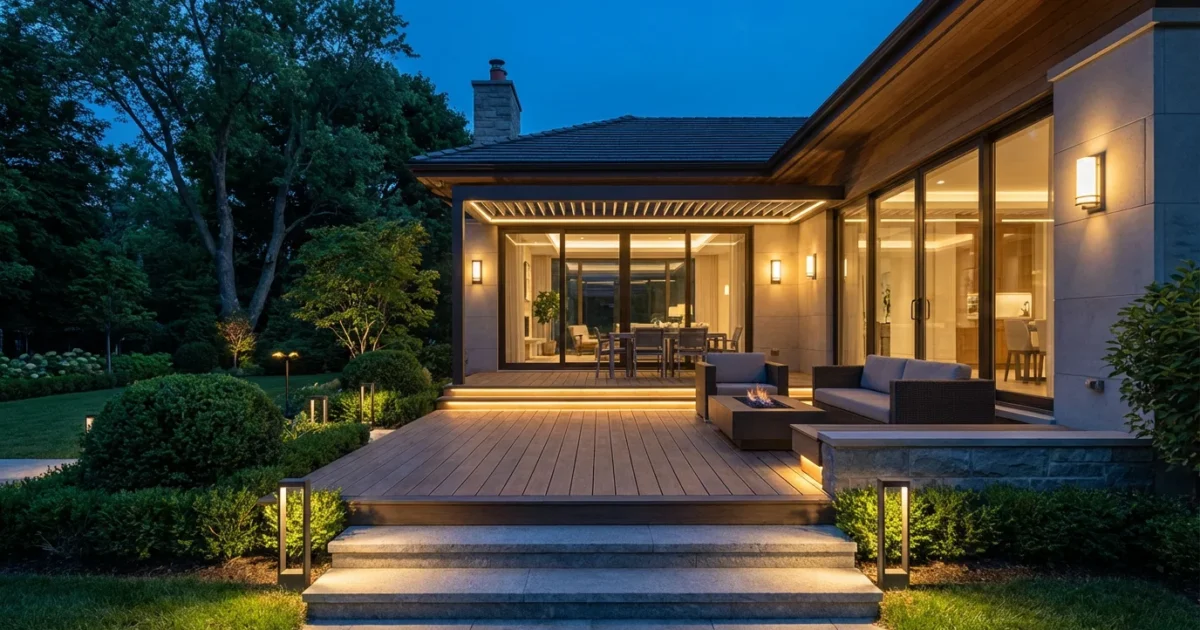
Transforming your outdoor spaces offers more than curb appeal. Modern outdoor smart lights elevate your home’s security, enhance its aesthetic, and provide unmatched convenience. You gain peace of mind knowing your property is well-lit, deterring potential intruders, while creating inviting atmospheres for evenings outdoors.
This guide equips you with the knowledge to select, install, and automate the best outdoor smart lights for security and ambiance. Discover how intelligent lighting systems integrate with your existing smart home setup, offering effortless control and significant benefits for any homeowner or renter.
Unlock Your Outdoors: Why Smart Lighting Matters
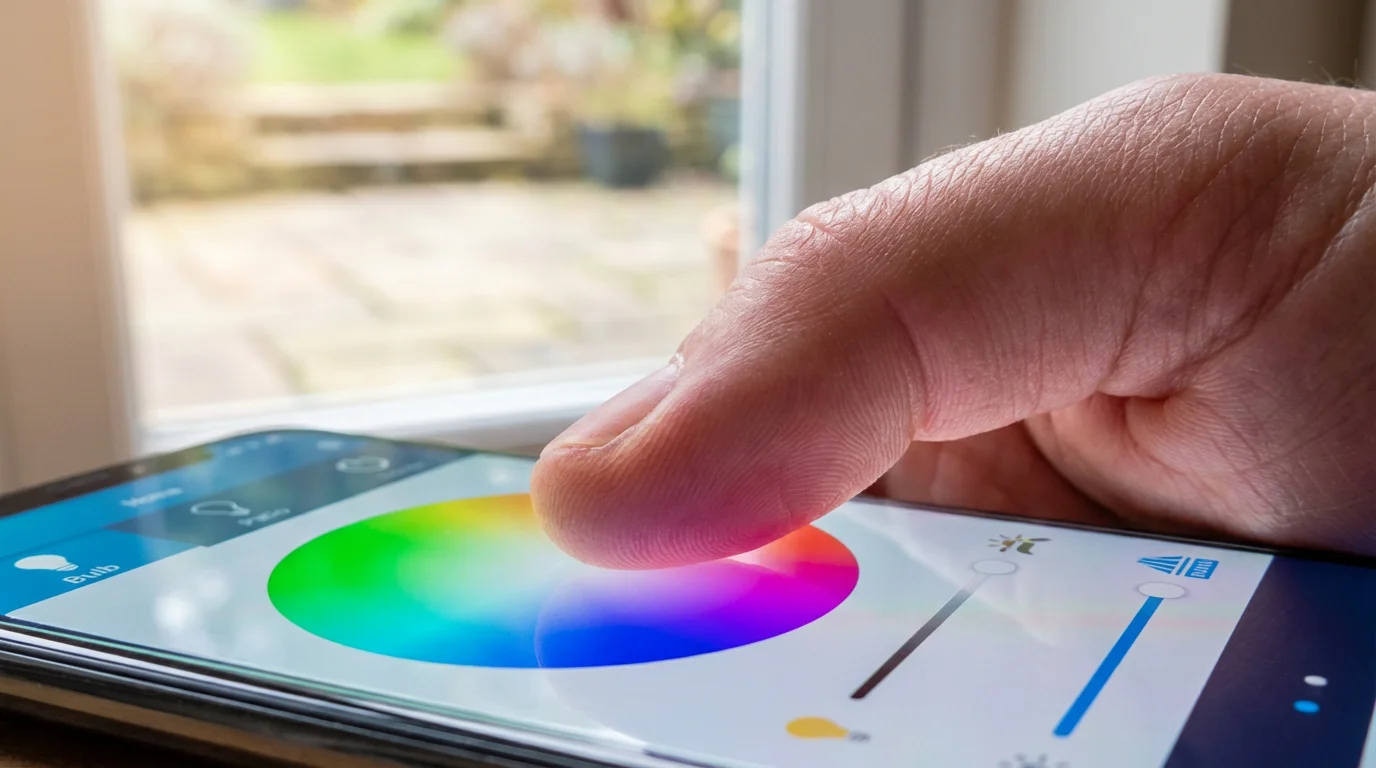
You might already enjoy smart lighting indoors, but extending this technology outside brings unique advantages. Outdoor smart lights move beyond basic on/off functionality, offering dynamic control over brightness, color, and scheduling. This adaptability serves both practical and aesthetic purposes.
Modernizing your home’s exterior with smart lighting significantly impacts its functionality. You move from static, manually operated lights to an interconnected system responding to your routines, environmental conditions, and security needs. This integration truly makes your home smarter.
Essential Benefits of Outdoor Smart Lighting
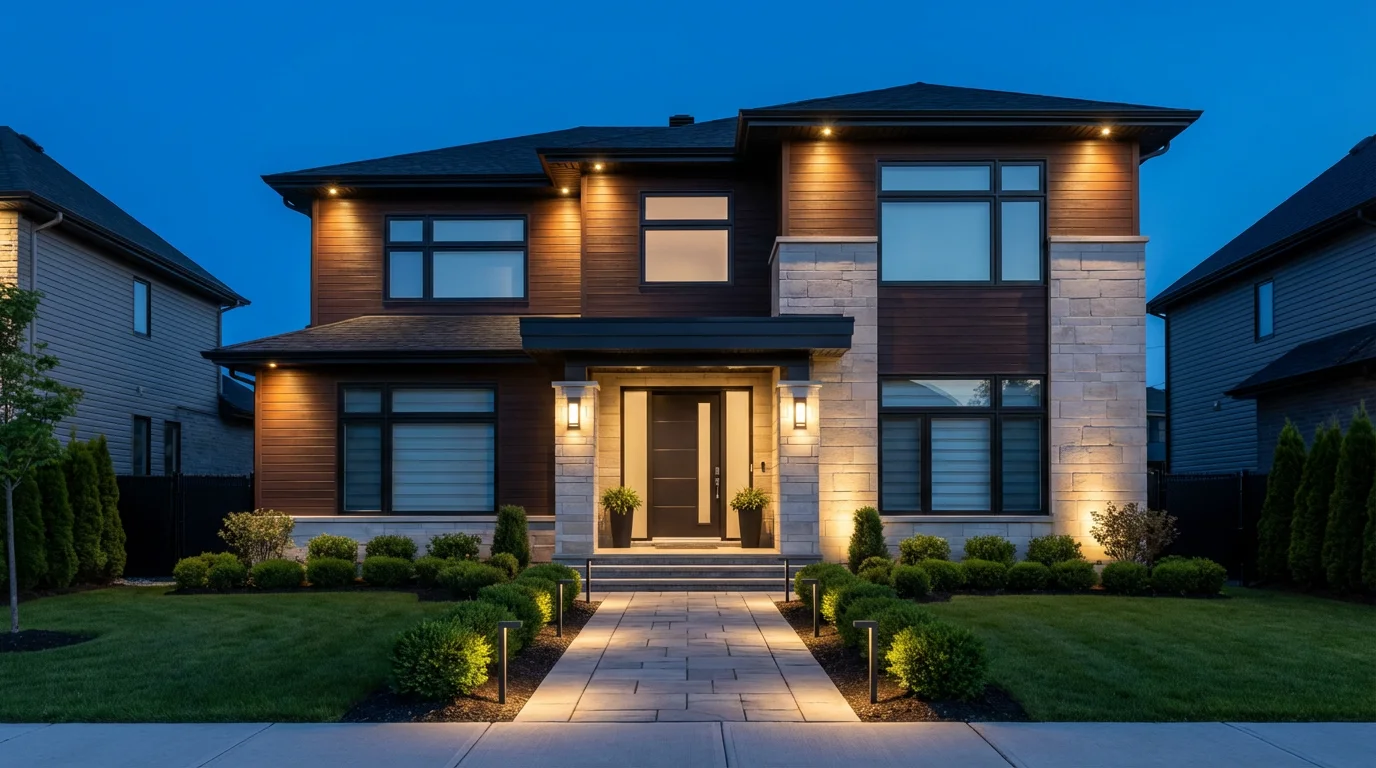
Implementing outdoor smart lights delivers multiple advantages. You improve your home’s safety, enhance its visual appeal, and reduce energy consumption. Consider these core benefits:
- Enhanced Security: Deter intruders by automating lights to turn on when motion is detected or when you are away. Brightly lit areas reduce hiding spots and increase visibility. According to CNET Smart Home, robust security lighting is a foundational element of any comprehensive home security strategy.
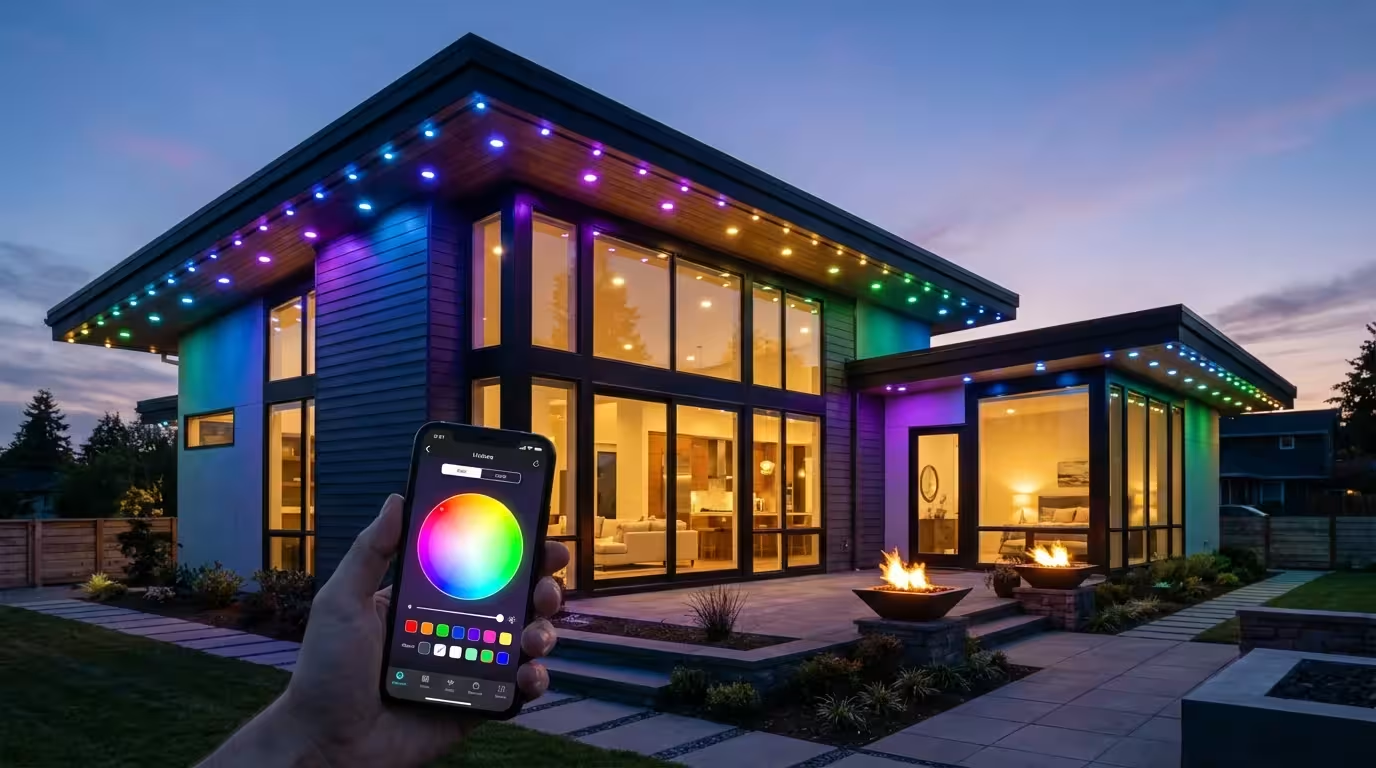
- Superior Ambiance: Create the perfect mood for any occasion with customizable colors and dimming capabilities. Whether hosting a party or enjoying a quiet evening, you control the atmosphere. Patio lights transform your outdoor living spaces.
- Energy Efficiency: Automate lights to turn off during the day or when areas are unoccupied. Many smart lights use energy-efficient LED technology, significantly lowering your electricity bill. You save money by only using light when and where you need it.
- Convenience and Control: Manage your lights from anywhere using your smartphone or voice commands. You never walk into a dark yard again. Schedule lights to activate at sunset and deactivate at sunrise, or link them to other smart devices.
- Increased Property Value: Smart home technology often appeals to potential buyers. A well-lit, automated exterior indicates a modern, secure, and well-maintained property.
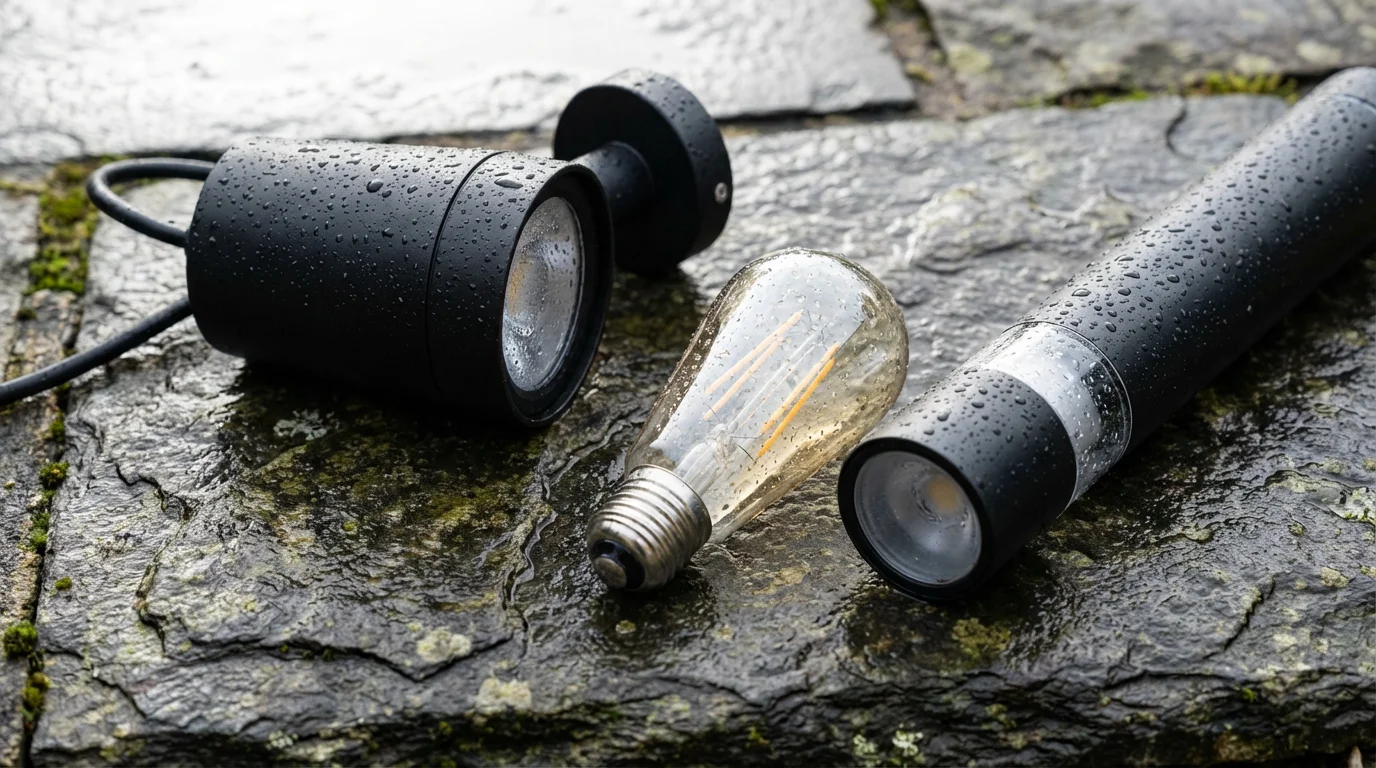
Choose Your Glow: Types of Outdoor Smart Lights
The market offers a wide array of outdoor smart lights, each serving different purposes. You can mix and match these options to create a comprehensive lighting scheme for your home. Understanding the types helps you select the best outdoor smart lights for security and ambiance.
-
Smart Floodlights and Spotlights:
- Purpose: Primarily for security lighting and highlighting architectural features or landscaping. These lights offer powerful illumination.
- Features: Often integrate motion sensors, cameras, and two-way audio. You get immediate alerts and recording capabilities.
- Placement: Mount them high on walls, eaves, or along driveways to cover large areas.
-
Smart Path and Garden Lights:
- Purpose: Guide visitors along pathways, illuminate garden beds, and create subtle ambiance.
- Features: Low-profile, weather-resistant fixtures. Many offer color-changing options and scheduling.
- Placement: Stake them along walkways, around patio edges, or within garden foliage.
-
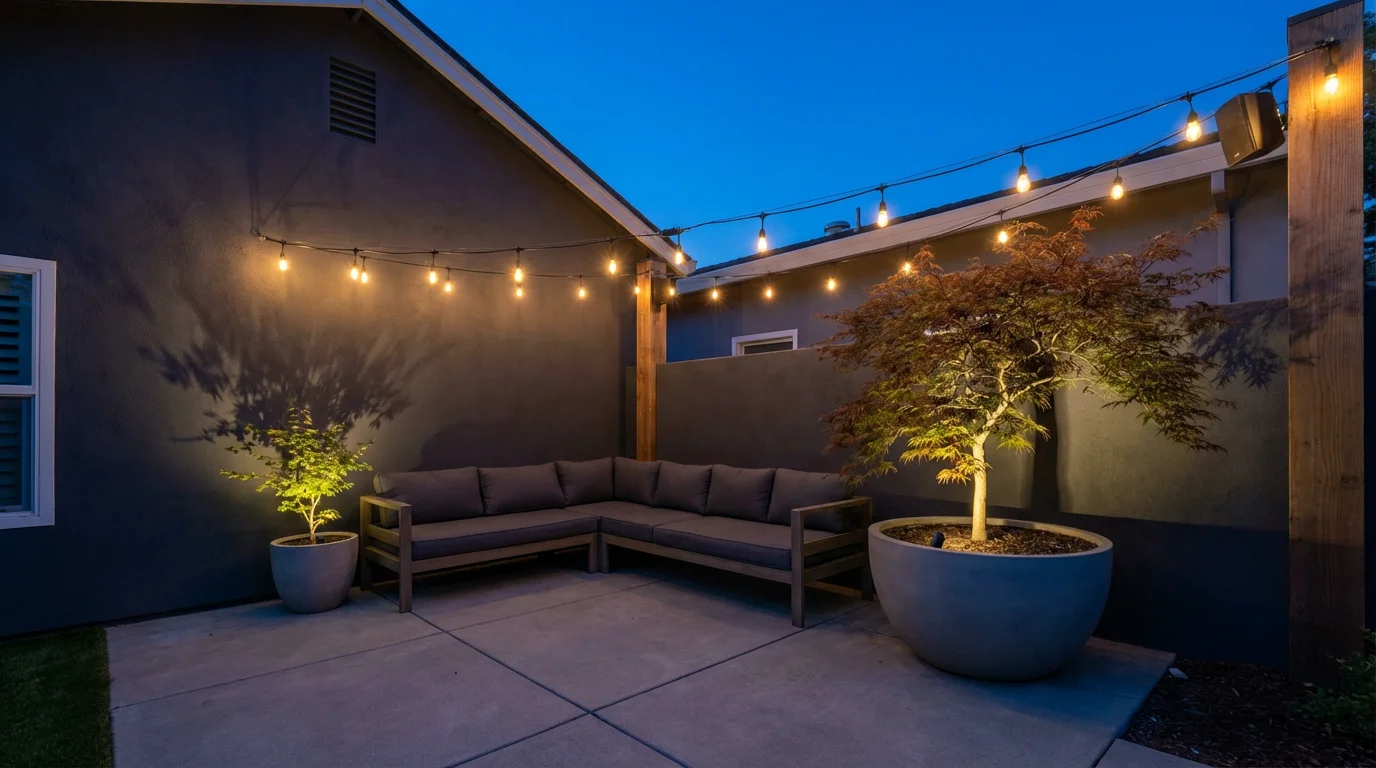
Smart String Lights (Patio Lights):
- Purpose: Add festive or cozy ambiance to patios, decks, pergolas, and outdoor dining areas.
- Features: Dimmable, often color-tunable, and available in various bulb styles. You control them via app or voice.
- Placement: Drape them across overhead structures, fences, or along railings.
-
Smart Wall Lanterns and Porch Lights:
- Purpose: Traditional entryway lighting with smart capabilities. These lights welcome guests and enhance security.
- Features: Integrate motion detection, dimming, and scheduling. You can set them to turn on when you approach your door.
- Placement: Install them beside entry doors, garage doors, or on exterior walls. Learn how to set up smart porch lights for maximum effect.
-
Smart Landscape Lighting Kits:
- Purpose: Comprehensive systems designed to illuminate entire yards, trees, and water features.
- Features: Often include a central hub and various low-voltage fixtures. You get extensive customization and control.
- Placement: Position individual lights to highlight specific outdoor elements.
Top Outdoor Smart Light Systems for Security and Ambiance
Choosing the right ecosystem is crucial for seamless integration and optimal performance. You want a system that meets your specific needs for brightness, color, and smart features. Here are some leading options:
-
Philips Hue Outdoor Lighting:
- Strengths: Unrivaled color accuracy, extensive product range, robust ecosystem. You find smart bulbs, light strips, path lights, floodlights, and wall lights.
- Security Features: Schedule lights to mimic presence, integrate with motion sensors for immediate illumination.
- Ambiance Features: Billions of colors, warm-to-cool white tones, precise dimming for perfect patio lights.
- Connectivity: Zigbee via a Hue Bridge, integrates with Apple HomeKit, Google Home, Amazon Alexa.
- Considerations: Requires a Hue Bridge, higher initial investment.
-
Ring Smart Lighting:
- Strengths: Deep integration with Ring security cameras and doorbells. Focuses heavily on security lighting.
- Security Features: Lights link to Ring cameras, triggering recording and alerts when motion is detected. Powerful floodlights and spotlights.
- Ambiance Features: Primarily white light, some products offer adjustable brightness.
- Connectivity: Uses a Ring Bridge, connects to other Ring devices, compatible with Alexa.
- Considerations: Best for those already in the Ring ecosystem; less emphasis on decorative color.
-
Arlo Security Lights:
- Strengths: Designed specifically for security, often paired with Arlo cameras. Wire-free options.
- Security Features: Integrated motion sensors, customizable light patterns (flashing, steady), siren. You get instant alerts.
- Ambiance Features: Mostly white light, but offers some adjustable brightness.
- Connectivity: Connects to an Arlo SmartHub or directly to Wi-Fi.
- Considerations: Strong security focus, less on decorative lighting.
-
Wyze Outdoor Lighting:
- Strengths: Affordable, easy to use, integrates with other Wyze devices. Good entry point for outdoor smart lighting.
- Security Features: Motion detection, integration with Wyze cameras for event triggers.
- Ambiance Features: Offers smart bulbs and light strips with color options, suitable for basic patio lights.
- Connectivity: Wi-Fi, works with Google Home and Amazon Alexa.
- Considerations: Ecosystem is less extensive than Hue, but offers great value.
-
Govee Outdoor Lights:
- Strengths: Known for vibrant colors and innovative light effects. Excellent for ambiance.
- Security Features: Less focus on security, but you can schedule lights and integrate with motion sensors from other brands via IFTTT.
- Ambiance Features: Wide range of smart string lights, floodlights, and strip lights with advanced RGBIC technology for dynamic color flows. Perfect for creating unique scenes.
- Connectivity: Wi-Fi and Bluetooth, works with Google Home and Amazon Alexa.
- Considerations: Primarily decorative; pair with dedicated security cameras for comprehensive protection.
The best smart home is the one you don’t have to manage. Your outdoor smart lighting should work seamlessly in the background, enhancing your life without constant intervention.
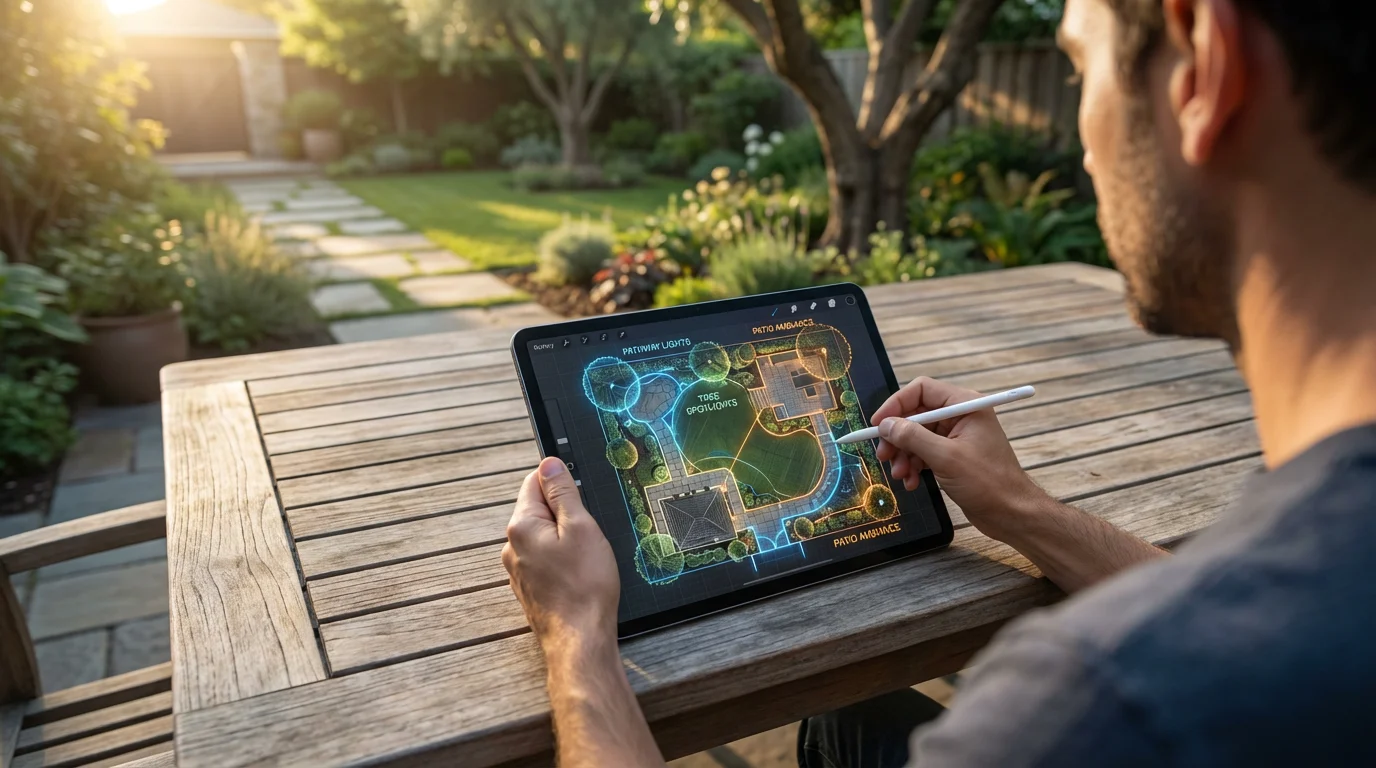
Designing Your Smart Outdoor Lighting Zones
Effective outdoor lighting involves creating distinct zones. You address different needs for security, pathway illumination, and decorative ambiance. Plan your layout before purchasing to ensure comprehensive coverage and smart functionality.
Here’s how you can approach zoning your outdoor spaces:
- Security Zone: Focus on entry points, driveways, and dark corners of your property.
- Goal: Deter intruders and provide clear visibility.
- Lights: Bright floodlights, motion-activated porch lights, security cameras with integrated lighting.
- Automation: Motion activation, “away” mode scheduling.
- Pathway Zone: Illuminate walkways, steps, and garden paths.
- Goal: Ensure safe navigation and enhance curb appeal.
- Lights: Low-voltage path lights, stake lights, bollard lights.
- Automation: Scheduled to turn on at dusk, dimming options.
- Ambiance Zone: Focus on patios, decks, pergolas, and outdoor living areas.
- Goal: Create inviting and comfortable atmospheres for entertaining or relaxation.
- Lights: Smart string lights, landscape spotlights highlighting features, decorative wall lanterns.
- Automation: Color changing, dimming scenes, integration with music or seasonal events.
- Feature Zone: Highlight specific landscaping elements, trees, or architectural details.
- Goal: Showcase unique aspects of your yard.
- Lights: Spotlights with adjustable beams and colors.
- Automation: Scheduled illumination, specific color settings for holidays.
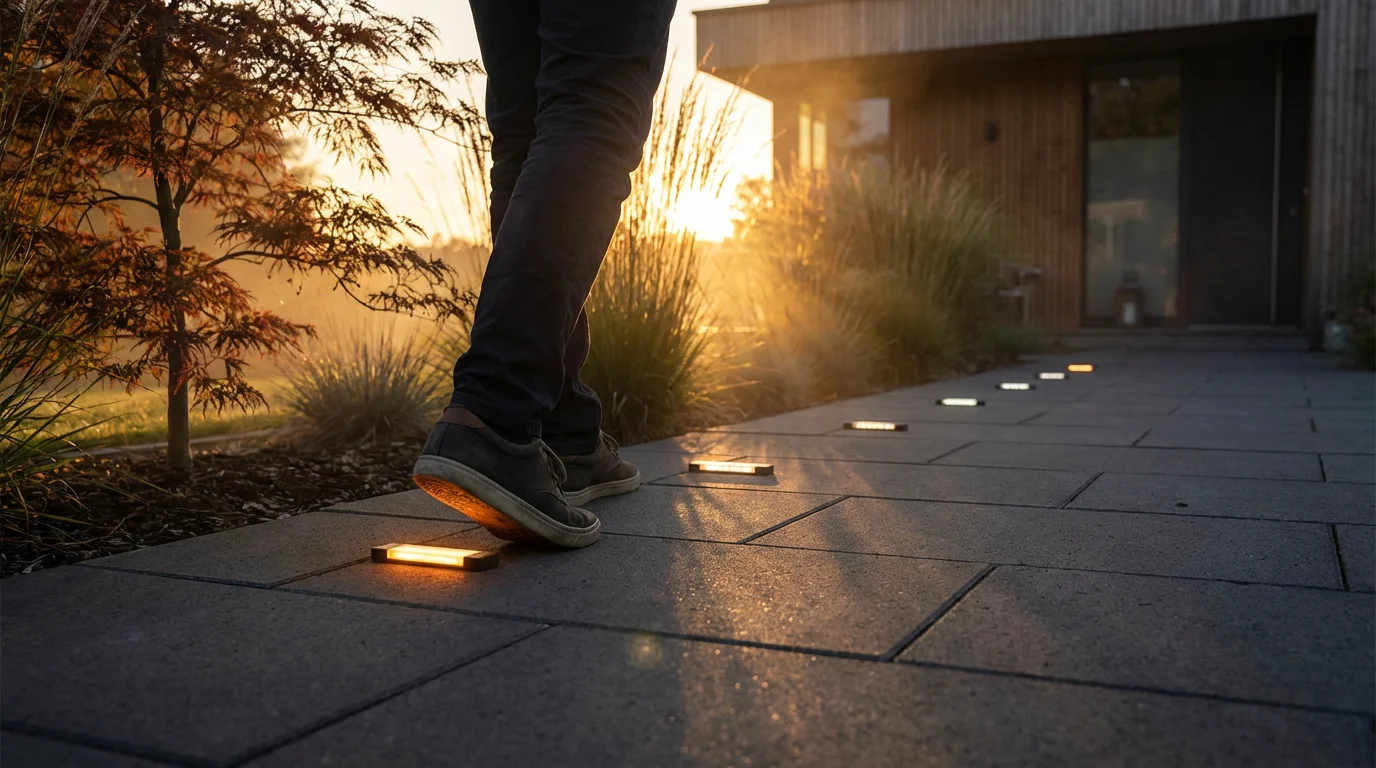
Seamless Automation: Making Your Outdoor Lights Smarter
The true power of outdoor smart lights lies in their automation capabilities. You move beyond manual switches to a system that responds intelligently to events, schedules, and your presence. This significantly enhances convenience and security.
Consider these automation strategies:
-
Sunrise/Sunset Schedules:
- Set your outdoor smart lights to automatically turn on at sunset and off at sunrise. This uses your location’s precise sunrise and sunset times, adjusting daily.
- You save energy by ensuring lights are only active when needed, eliminating manual adjustments.
-
Motion Detection Triggers:
- Integrate motion sensors with your security lighting. When motion is detected, lights immediately brighten.
- This deters potential intruders and illuminates your path when you arrive home late. For example, your smart porch lights illuminate as you walk up your driveway.
-
“Away” Mode Simulation:
- Program your lights to randomly turn on and off at various times while you are away. This mimics occupancy, creating an impression that someone is home.
- Many systems offer specific “away” or “vacation” modes for easy activation.
-
Voice Assistant Integration:
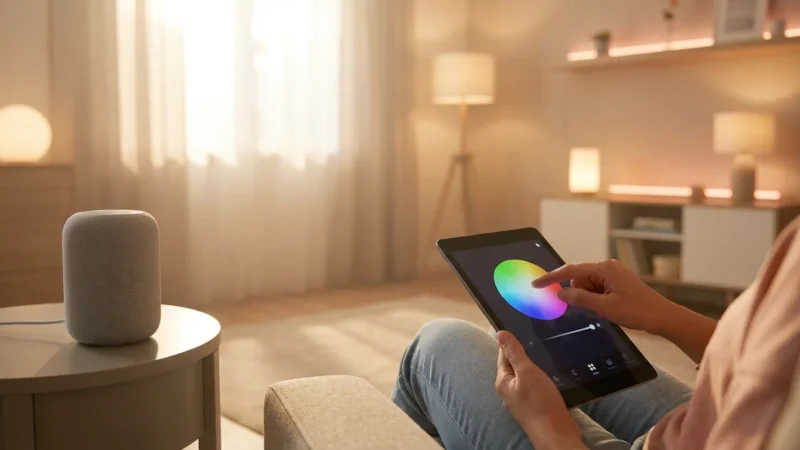
- Control your outdoor lights with simple voice commands using Amazon Alexa, Google Assistant, or Apple HomeKit.
- Say, “Alexa, turn on the patio lights” or “Hey Google, dim the garden lights to 50%.”
-
Geolocation (Geofencing):
- Use your smartphone’s location to trigger actions. As you approach your home, your lights can automatically turn on.
- When you leave, they can automatically turn off, ensuring you never leave lights on unnecessarily.
-
Integration with Other Smart Devices:
- Link your outdoor lights with smart cameras, doorbells, or even smart locks.
- Example: When your smart doorbell detects a visitor, your porch lights can turn on. When your smart lock disarms, pathway lights can illuminate.
Installation Tips and Safety Considerations
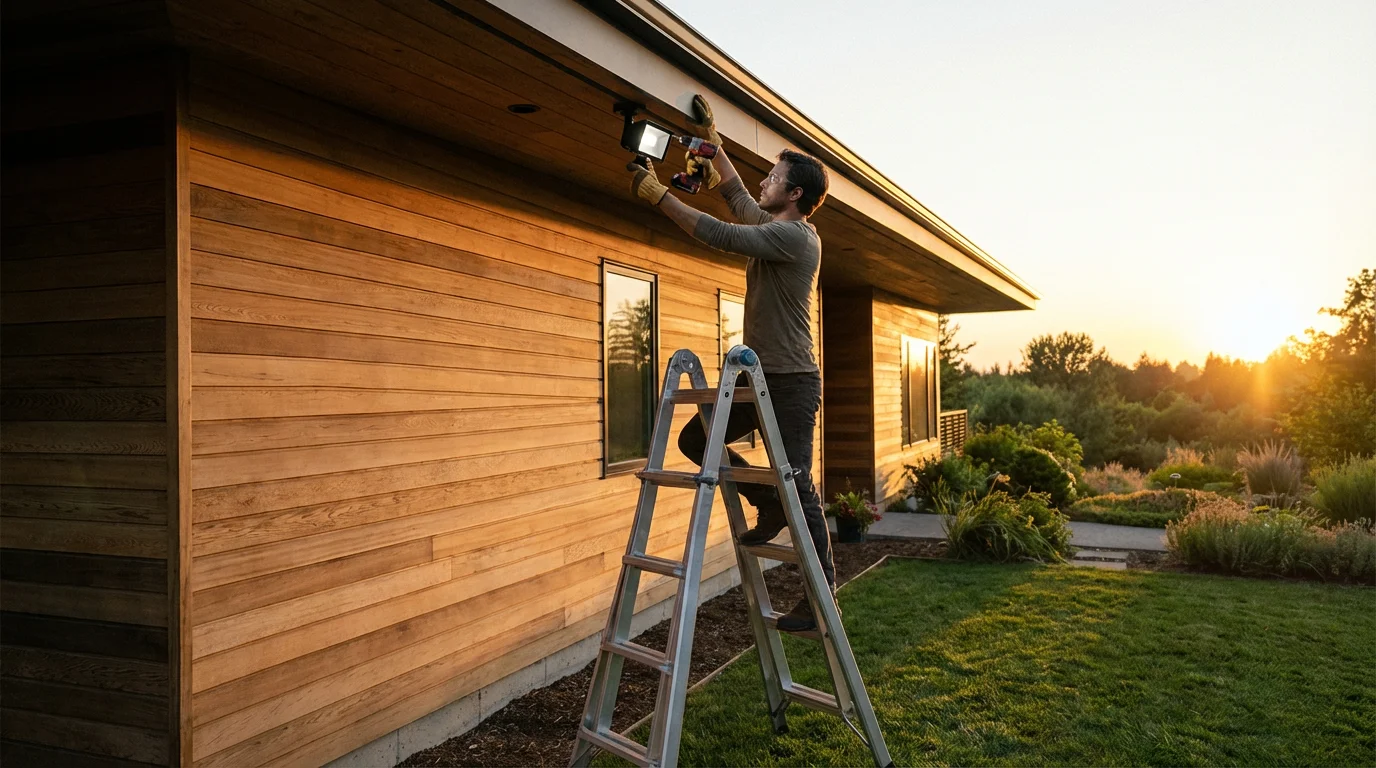
Proper installation ensures your outdoor smart lights function reliably and safely. While many smart lights are designed for DIY installation, always prioritize safety. Understanding these tips helps you install your system correctly.
- Read Manufacturer Instructions: Always follow the specific installation guide provided with your smart lights. Each product has unique requirements.
- Check Weatherproofing Ratings: Ensure any outdoor light you purchase has an appropriate IP (Ingress Protection) rating for its intended location. Look for IP65 or higher for direct outdoor exposure.
- Power Source Considerations:
- Low-Voltage Lights: Many path and landscape lights use low-voltage transformers. These are generally safer and easier to install yourself. You often just plug them in.
- Line-Voltage Lights: Wall lanterns, floodlights, and some porch lights connect directly to your home’s main electrical wiring (120V). For these, if you are unsure about electrical work, call a licensed electrician. Incorrect wiring poses a serious safety risk.
- Secure Mounting: Mount lights securely to walls, eaves, or sturdy stakes. Wind and weather can damage improperly secured fixtures.
- Cable Management: Bury or neatly secure any exposed wires to prevent tripping hazards and protect them from damage. Use outdoor-rated wiring and conduit where necessary.
- Test Connectivity: Before finalizing installation, test each light’s connection to your smart home hub or Wi-Fi network. Ensure strong signal strength in all outdoor areas.
- Call a Professional: When in doubt, especially with line-voltage wiring or complex landscape lighting systems, consult a licensed electrician. Your safety is paramount.
Troubleshooting Common Outdoor Smart Lighting Issues
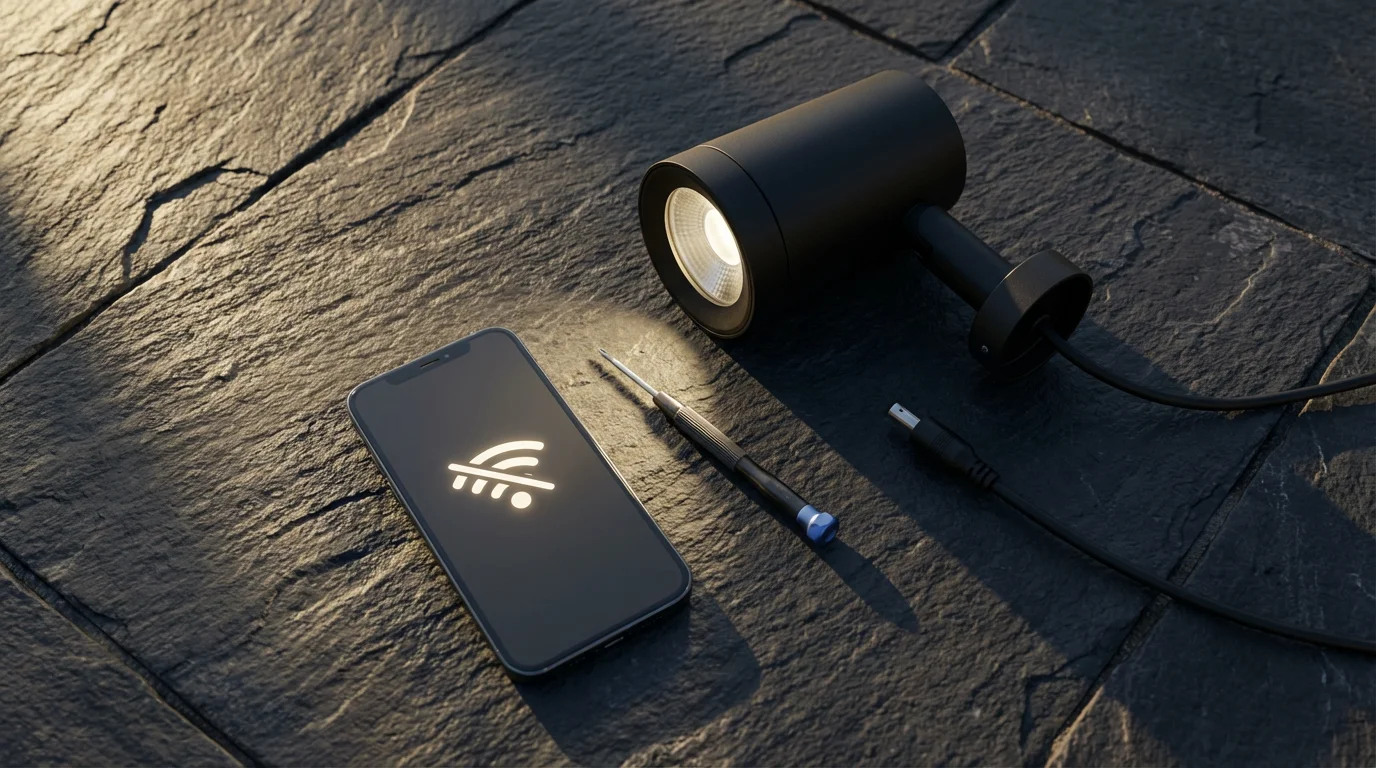
Even the best outdoor smart lights can encounter occasional hiccups. You can often resolve common issues with a few simple steps. Here are some problems you might face and how to fix them:
If your exterior setup experiences dropouts, it is helpful to know how to fix common smart bulb connection issues that often arise from network range or interference.
-
Lights Not Responding:
- Check Power: Ensure the light is receiving power. Confirm it’s plugged in, and circuit breakers are not tripped.
- Verify Wi-Fi/Zigbee Connection: Smart lights rely on a stable network. Check your router, Wi-Fi signal strength, and if your hub (if applicable) is online. Move the hub closer if range is an issue.
- Restart Device/App: Sometimes a simple restart of the light, hub, or control app resolves temporary glitches.
-
Inconsistent Scheduling:
- Time Zone Settings: Ensure your smart home app and devices have the correct time zone and location settings. This is crucial for sunrise/sunset automations.
- Rule Conflicts: Review your automation rules. You might have conflicting schedules or motion triggers overriding each other.
- Firmware Updates: Check if your device needs a firmware update. Manufacturers often release updates that improve stability and fix bugs.
-
Motion Sensor Not Triggering:
- Sensor Placement: Ensure the sensor has a clear line of sight and is positioned correctly for the area you want to cover. Avoid obstructions.
- Sensitivity Settings: Adjust the motion sensor’s sensitivity in the app. High sensitivity might trigger false alarms; low sensitivity might miss actual motion.
- Power Source: For battery-powered sensors, check the battery level.
-
Colors or Brightness Are Off:
- App Control: Verify the settings in your smart lighting app. You might have a specific scene or color temperature selected that you forgot about.
- Reset Light: A factory reset, as per the manufacturer’s instructions, can sometimes restore default functionality.
-
Connectivity Dropouts:
- Wi-Fi Range Extender: If your outdoor lights are far from your router, consider a Wi-Fi range extender or a mesh Wi-Fi system.
- Interference: Other wireless devices can interfere with your smart lighting signal. Try changing Wi-Fi channels on your router if possible.
- Matter Compatibility: For new devices, check for Matter compatibility. Matter aims to simplify device interoperability and improve reliability. The Connectivity Standards Alliance provides resources on this new standard.
Frequently Asked Questions
Do outdoor smart lights really improve security?
Yes, outdoor smart lights significantly enhance security. You can automate them to turn on with motion, deterring potential intruders. Scheduling lights to activate randomly while you are away also creates the impression that your home is occupied, adding a layer of protection.
Can I control outdoor smart lights with voice commands?
Absolutely. Most outdoor smart lights integrate with popular voice assistants such as Amazon Alexa, Google Assistant, and Apple HomeKit. You control them effortlessly using simple voice commands, adjusting brightness, changing colors, or turning them on and off.
Are outdoor smart lights difficult to install?
Installation difficulty varies by type. Many low-voltage path lights and smart bulbs are simple DIY installations. However, line-voltage lights like wall lanterns or floodlights that connect directly to your home’s wiring may require a licensed electrician if you are not comfortable with electrical work. Always prioritize safety and consult professionals for complex installations.
Do I need a hub for outdoor smart lighting?
It depends on the system. Some outdoor smart lights connect directly to your home’s Wi-Fi network and do not require a separate hub. Other systems, like Philips Hue, use a bridge or hub to connect devices via protocols like Zigbee, which often provides more reliable connections and extends range for a larger number of devices.
Can outdoor smart lights withstand harsh weather?
Yes, reputable outdoor smart lights are built to be weather-resistant. They carry an IP (Ingress Protection) rating that indicates their resistance to dust and water. Look for ratings like IP65, IP66, or IP67 for lights exposed directly to rain and elements, ensuring durability in various weather conditions.
Disclaimer: This article is for informational purposes only. Smart home devices involve electrical connections and data privacy. Always follow manufacturer instructions for installation. For complex wiring or HVAC work, consult a licensed professional.
Leave a Reply