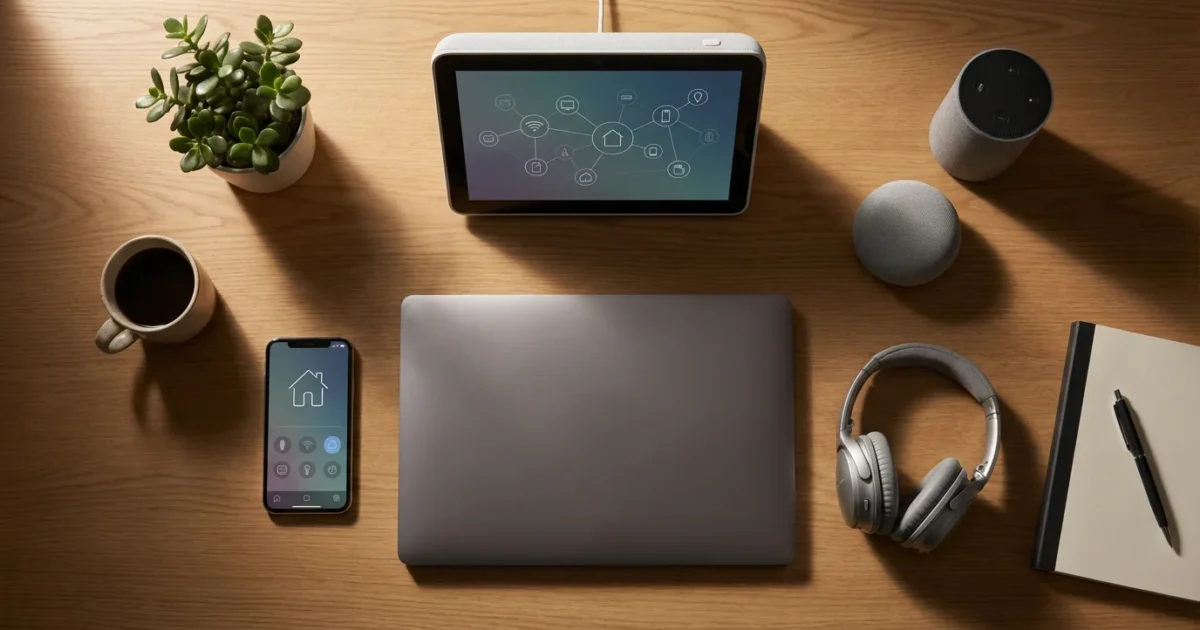
Working from home offers flexibility, yet it can blur the lines between professional and personal life. Smart home technology provides a powerful solution, allowing you to create structured, efficient, and comfortable `work from home` environments. Automating daily tasks and setting up specific scenes for your `home office automation` can significantly enhance your focus, productivity, and overall well-being.
Implementing `productivity routines` helps you manage your time effectively, minimizing distractions and maximizing your output. This guide helps you design and deploy `best smart home routines for remote workers`, transforming your living space into a hub of efficiency. Discover practical `work from home automation ideas` to streamline your workday from start to finish.
Understanding Smart Home Routines for Remote Work
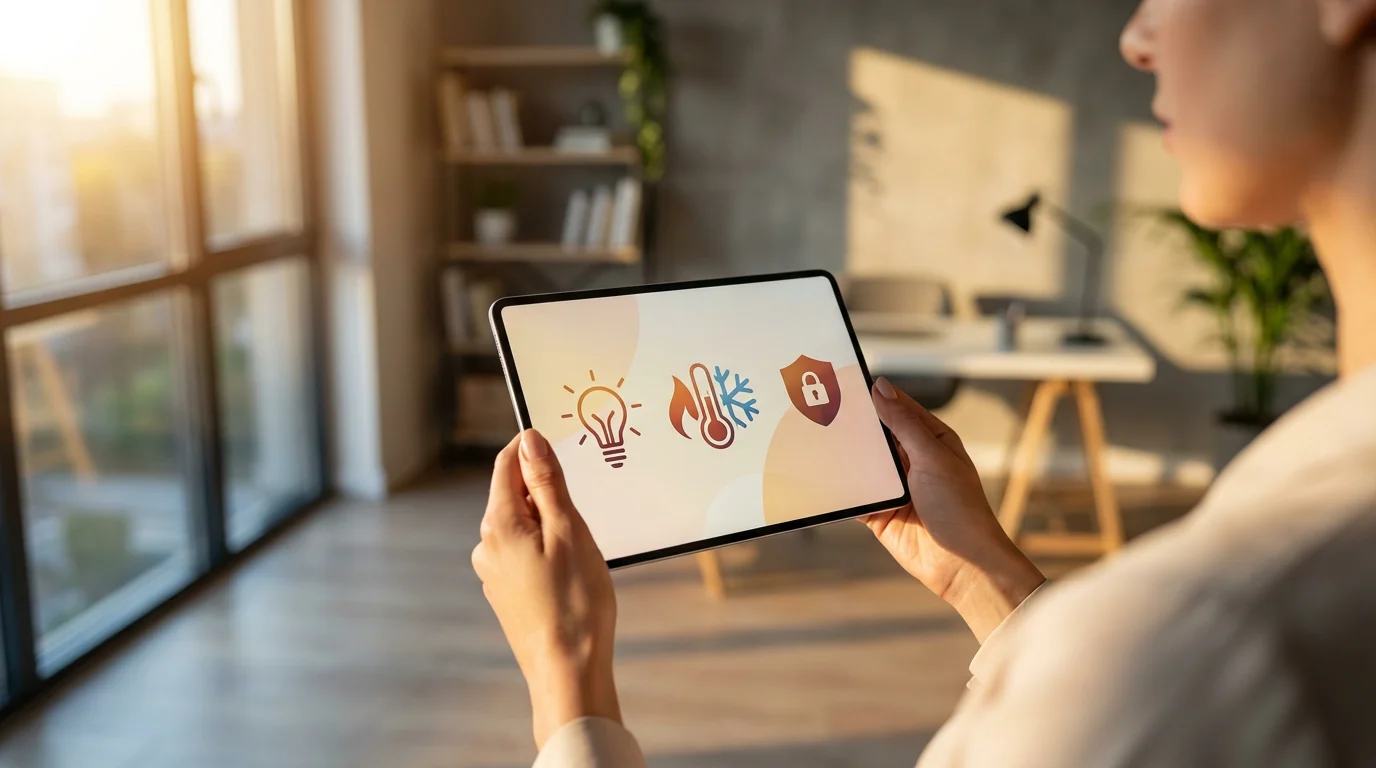
Smart home routines involve a series of actions performed by your connected devices based on specific triggers. For remote workers, these routines establish a structured schedule, simulating a traditional office environment within your home. They reduce manual effort and cognitive load, allowing you to concentrate on your work.
These automations bring tangible benefits beyond mere convenience. They promote energy efficiency
To maintain a consistent work environment, you should learn how to schedule your smart devices like a pro to match your professional calendar.
by ensuring lights and climate control operate only when needed, reducing utility bills. They also enhance security, giving you peace of mind that your home office remains protected.
The Core Components of a Smart Routine
Every effective smart routine relies on three fundamental elements:
- Triggers: These initiate the routine. Common triggers include specific times, sensor activation (motion, contact), geofencing (your location), or even voice commands.
- Actions: These are the specific tasks your smart devices perform in response to a trigger. Examples include turning on lights, adjusting thermostats, starting a coffee maker, or locking doors.
- Conditions: Optional but powerful, conditions add intelligence to your routines. A routine might only run if it’s a weekday, if the ambient light is below a certain level, or if a specific person is home.
By combining these components thoughtfully, you design intelligent sequences that support your `work from home` lifestyle seamlessly. This proactive approach saves you time and mental energy throughout your workday.
Building Your Morning Workday Routine
A well-designed morning routine sets a positive tone for your entire workday. It gently transitions you from sleep to productivity, preparing your mind and body for the tasks ahead. Automate these steps to ensure a consistent, stress-free start.
Step-by-Step Morning Automation
You can program your smart home to orchestrate your morning ritual, ensuring you wake up refreshed and ready. This sequence helps establish clear boundaries between personal time and work time, a crucial aspect of successful remote work.
- Gentle Wake-Up: Set your smart lights to gradually brighten your bedroom 15-30 minutes before your alarm. This simulates a natural sunrise, promoting a more natural awakening. Simultaneously, a smart alarm clock or speaker can play calming music or a news briefing.
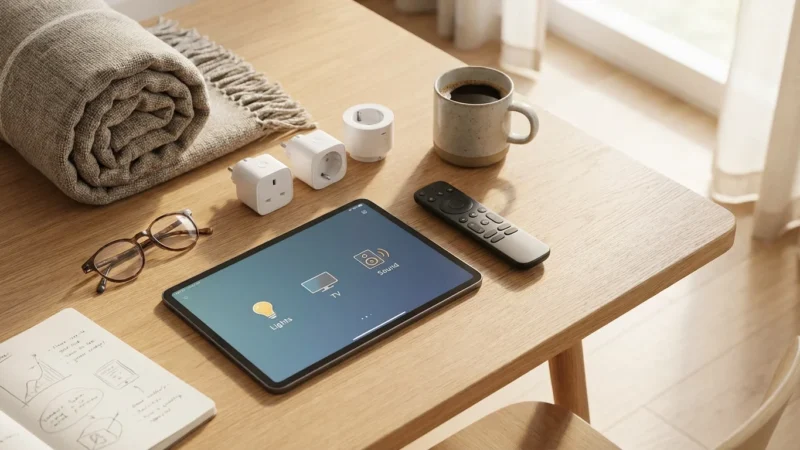
- Coffee Ready: Link your smart coffee maker to your morning routine. It can begin brewing just as you get out of bed, ensuring a fresh cup awaits you. Alternatively, use a smart plug with a traditional coffee maker.
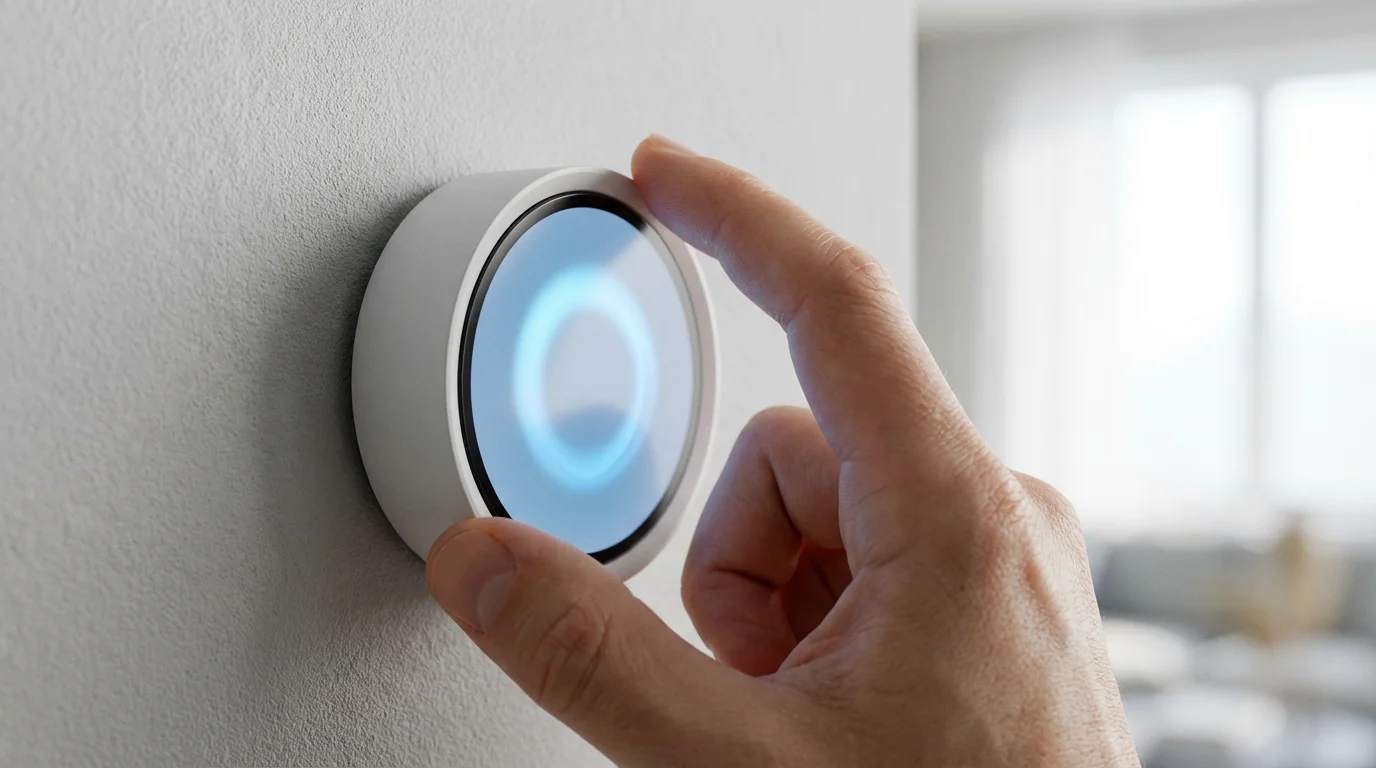
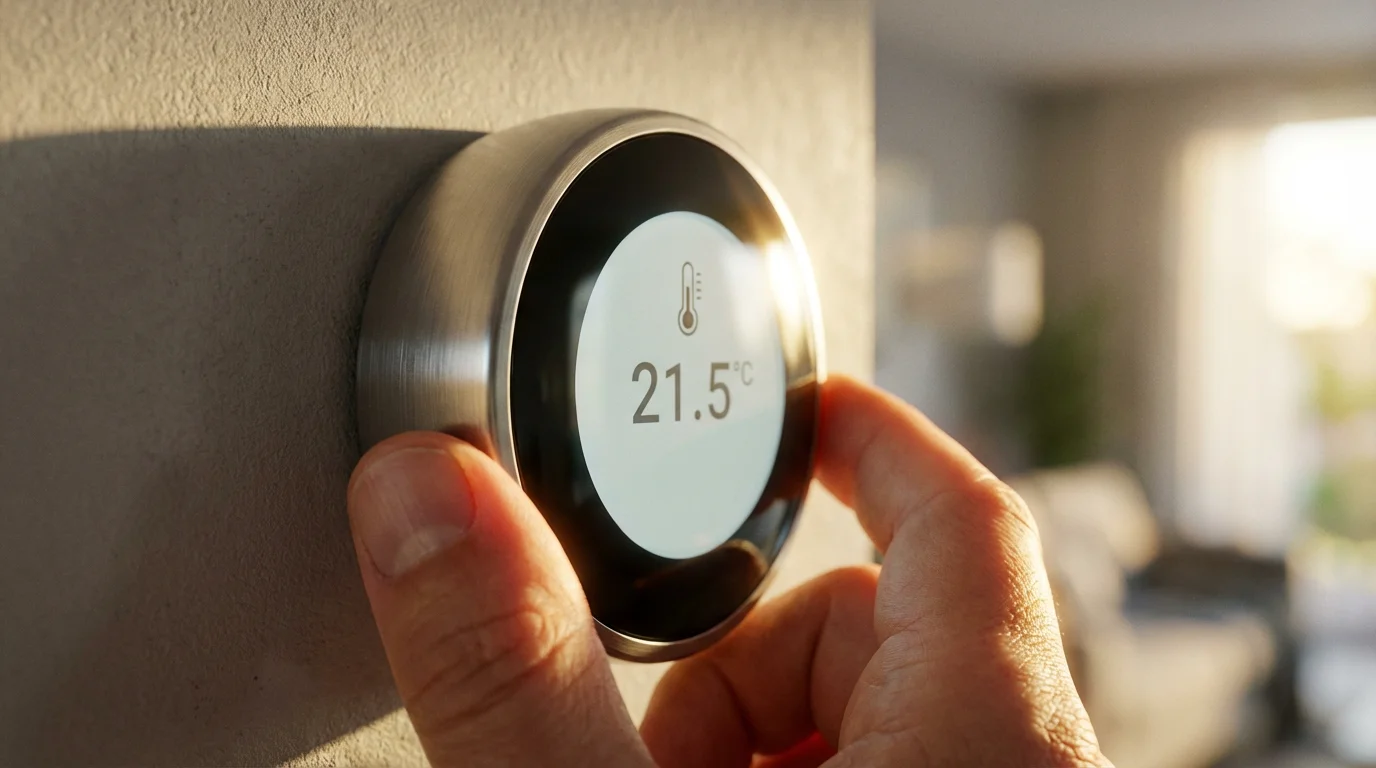
- Climate Control: Adjust your smart thermostat to reach your preferred `home office` temperature before you even step into the room. No one wants to start work in a cold or stuffy environment. Energy Star certified smart thermostats offer advanced scheduling and can save you money. Learn more at Energy Star Smart Thermostats.
- News & Updates: Have a smart speaker deliver your daily news headlines, weather forecast, or calendar appointments while you get ready. This keeps you informed without requiring active screen time.
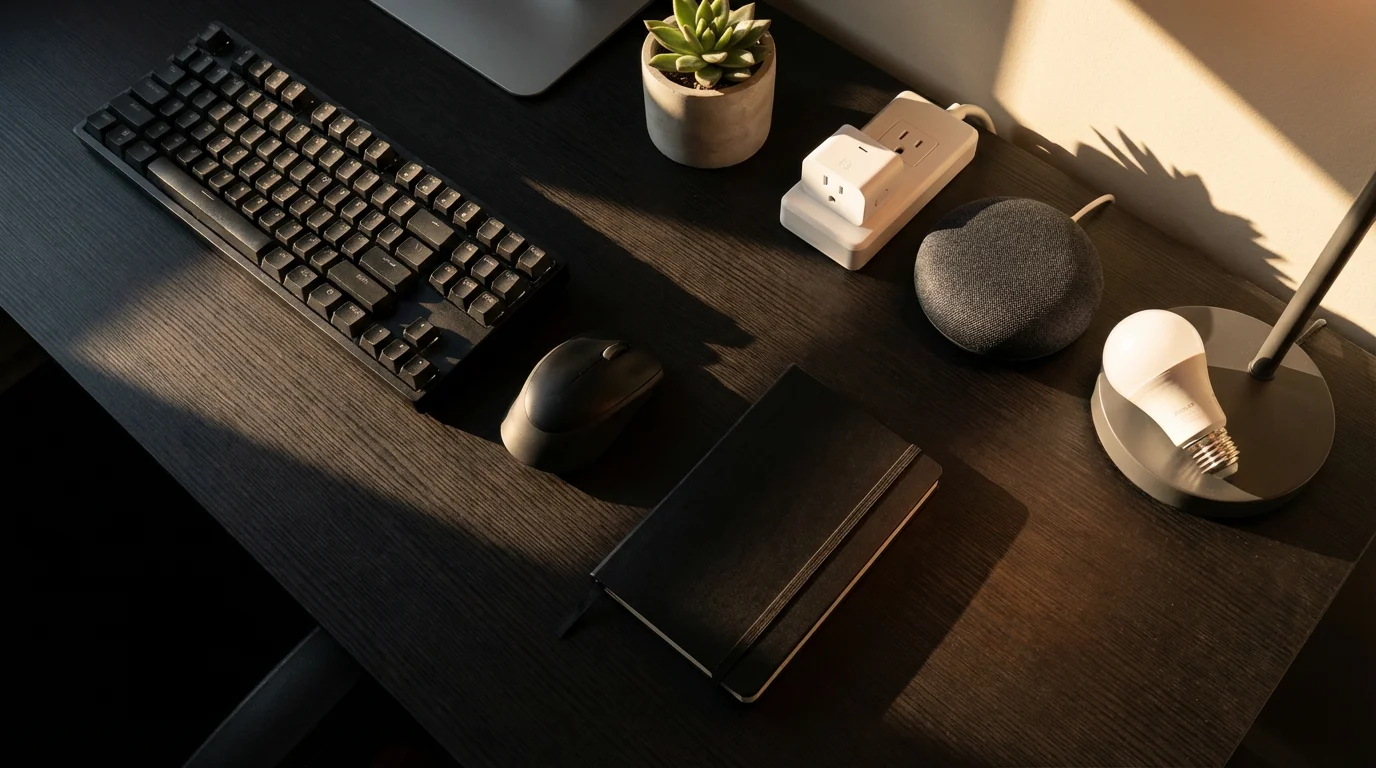
- Home Office Activation: As you approach your office, a motion sensor can trigger the lights, turn on your smart monitor, and activate a white noise machine. This creates an immediate “work mode” environment.
This orchestrated sequence represents one of the `best smart home routines for remote workers`. It minimizes morning decisions, allowing you to focus on preparing for the day’s tasks.
Optimizing Your Home Office Environment
Your `home office automation` extends beyond morning routines. The physical environment of your workspace significantly impacts your focus and comfort. Smart devices allow you to fine-tune lighting, climate, and sound to your exact preferences.
Intelligent Lighting for Productivity
Proper lighting reduces eye strain and helps maintain alertness. Smart bulbs and switches offer unparalleled control:
- Automated Brightness: Schedule your lights to adjust throughout the day, mimicking natural light cycles. Brighter, cooler light in the morning for alertness, transitioning to warmer, softer light in the afternoon to prevent fatigue.
- Task-Specific Lighting: Create scenes for different activities. A “Focus” scene might activate a bright, directed task light, while a “Video Call” scene ensures even, flattering illumination.
- Presence Detection: Use motion sensors to ensure office lights turn on when you enter and off when you leave, saving energy.
Climate Control for Comfort and Efficiency
Maintaining an optimal temperature prevents discomfort and distraction. Smart thermostats are invaluable for `work from home` settings.
- Zoned Heating/Cooling: If you have a zoned HVAC system, direct heating or cooling specifically to your home office. This avoids heating or cooling unused areas of your home, leading to substantial energy savings.
- Personalized Temperature Profiles: Set different temperature schedules for your office during work hours versus the rest of your home. You can also integrate smart fans to circulate air efficiently.
Minimizing Noise and Distractions
Concentration requires minimizing auditory distractions. Smart devices can help create a peaceful working atmosphere.
- Smart Sound Machines: Program a smart speaker to play white noise or calming ambient sounds during your core working hours. This masks common household noises.
- “Do Not Disturb” Modes: Configure your smart displays or speakers to enter a “Do Not Disturb” mode. This prevents incoming calls or notifications from disrupting your flow.

Boosting Focus and Minimizing Distractions
The line between work and personal life can easily blur when working remotely. Smart home `productivity routines` create a clear distinction, helping you stay focused and avoid common distractions. These `work from home automation ideas` enhance your ability to concentrate.
Implementing Digital Boundaries
Your smart devices can enforce digital boundaries, signaling to household members and your own habits that it’s work time.
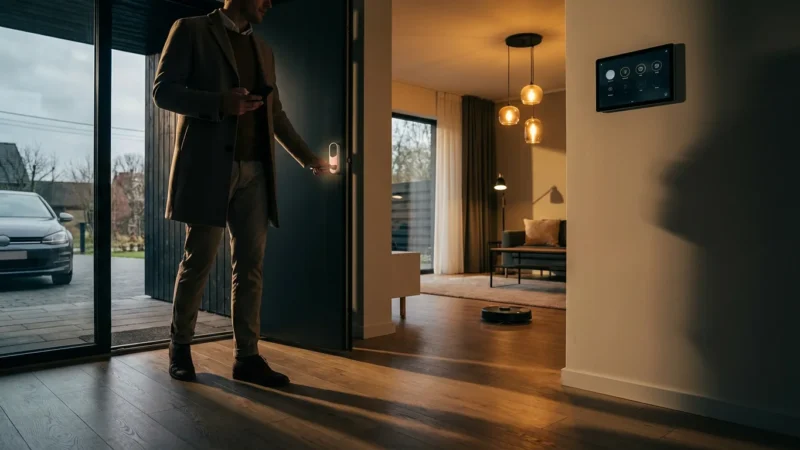
- Automated Privacy: If your home office has a smart lock, program it to automatically lock when you start your workday, signaling privacy. A smart sign on the door can also illuminate.
- Notification Management: Set up your smart speaker to pause music or lower volume when an important meeting starts. Conversely, block non-essential notifications from smart devices during peak work hours.
Routine-Based Focus Cues
Create subtle cues that guide you into and out of deep work. These help train your brain to associate specific environments with focused effort.
- “Deep Work” Scene: Activate a “Deep Work” scene that dims ambient lights, turns on a focused task light, and plays instrumental music through your smart speaker. This consistent setup signals it’s time to concentrate.
- Timed Breaks: Use your smart speaker to announce timed breaks. A quick 15-minute timer can trigger a gentle chime, reminding you to stand up, stretch, or grab a drink.
According to a report on remote work trends, maintaining focus is a top challenge. Smart automations proactively address this by creating a dedicated and distraction-free work zone.
Seamless Transitions: Lunch Breaks and End-of-Day Routines
Effective remote work involves structured breaks and a clear end to the workday. Smart home routines facilitate these transitions, preventing burnout and ensuring you fully disengage from work. These are essential `best smart home routines for remote workers` for overall well-being.
Automating Lunch and Short Breaks
Breaks are crucial for mental refreshment. Let your smart home remind you to step away.
- Lunch Prompt: Program your smart speaker to announce “Lunchtime” at a specific hour, perhaps playing a different genre of music or turning off office lights. This signals a clear break.
- Mid-Afternoon Stretch: A routine can remind you to take a brief stretch break every few hours, perhaps by flashing your office lights gently or playing a short, energizing tune.
This structured approach to breaks ensures you step away, recharge, and return to work with renewed energy. It prevents you from getting lost in tasks and skipping essential downtime.
Winding Down Your Workday
The end of the workday should be as intentional as the start. Smart routines help you transition out of “work mode” and back into home life.
- Office Deactivation: At your designated quitting time, automate your office lights to dim or change color, indicating the end of the workday. Your smart thermostat can return to its “home” schedule, and your white noise machine can turn off.
- Post-Work Ambiance: As you leave your home office, a motion sensor can trigger a “Relax” scene in your living area. This might involve ambient lighting, calming music, and a comfortable temperature, setting the stage for relaxation.
- Security Check: A “Good Night” routine can include checking if your home office door is locked, arming your security system, and ensuring all unnecessary devices are powered off.
These `work from home automation ideas` ensure a clean break, protecting your personal time and preventing work from spilling over into your evenings.
Advanced Automation for Enhanced Productivity
For tech-savvy users, smart home platforms offer advanced features that take `productivity routines` to the next level. These capabilities provide greater customization and responsiveness, adapting to complex scenarios.
Conditional Logic and Sensor Integration
Go beyond simple “if this, then that” automations. Many platforms allow for more complex conditional statements.
- “If motion detected in office AND it’s a weekday AND between 9 AM and 5 PM, THEN turn on office lights AND adjust thermostat to 72 degrees.” This ensures routines only run when truly relevant.
- Presence-Based Work: Integrate smart presence sensors to detect when you sit at your desk. This can trigger your “Focus” scene automatically, eliminating the need for manual activation.
Voice Command Customization and Virtual Assistants
Leverage your smart assistant (Alexa, Google Assistant, Siri) for hands-free control.
- Custom Shortcuts: Create custom voice commands like, “Hey Assistant, start my workday.” This single command can trigger your entire morning office setup routine.
- Dynamic Updates: Ask your assistant for quick status updates on your calendar, pending tasks, or even the energy consumption of your office setup.
Cross-Platform Integration and Matter Standard
The smart home ecosystem constantly evolves. Standards like Matter aim to improve device compatibility.
- Unified Control: Look for devices compatible with the Matter Smart Home Standard. This allows devices from different brands to work together more seamlessly, expanding your automation possibilities.
- IFTTT Alternatives: Explore advanced automation platforms or built-in app capabilities that allow for deeper integration between various smart devices and services. These can connect your smart home actions to online calendars, project management tools, or communication apps.
These advanced `home office automation` strategies provide a truly intelligent and responsive work environment.
Troubleshooting Your Smart Workday Routines
While smart home routines offer immense convenience, occasional issues can arise. Understanding common problems and implementing effective troubleshooting steps ensures your `productivity routines` remain reliable.
Common Automation Issues
Before diving into complex solutions, consider these frequent culprits for routine failures:
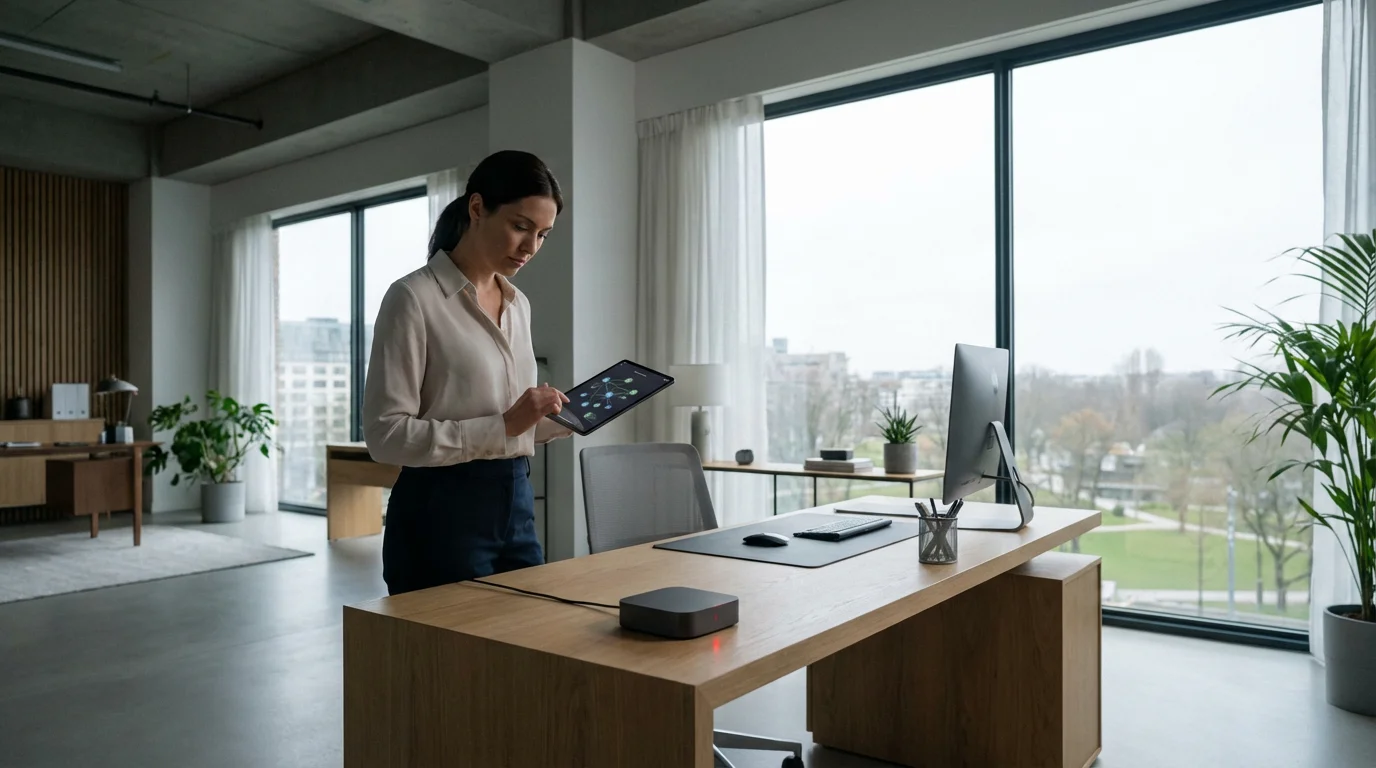
- Wi-Fi Connectivity: A weak or unstable Wi-Fi signal is the most common cause of smart device malfunction. Ensure your router covers your home office effectively.
- Device Conflicts: Sometimes, multiple routines or conflicting settings can interfere with each other, causing unexpected behavior.
- Firmware/App Updates: Outdated device firmware or smart home app versions can introduce bugs or reduce functionality.
- Power Interruptions: Even brief power flickers can disrupt schedules or require devices to be reconnected.
Step-by-Step Troubleshooting
When a routine fails, follow these steps to diagnose and resolve the issue.
- Check Connectivity: Verify that all involved devices are connected to your Wi-Fi network and are online in your smart home app. Restart your Wi-Fi router if necessary.
- Review Routine Settings: Open your smart home app and carefully review the trigger, actions, and any conditions for the failing routine. Ensure all parameters are correct. Small typos or incorrect time settings can cause issues.
- Test Devices Individually: Manually control each device involved in the routine through its respective app. This confirms individual device functionality. If a device fails manually, the issue lies with the device, not the routine.
- Update Everything: Check for and install any available firmware updates for your smart devices and update your smart home hub and app to their latest versions.
- Simplify and Rebuild: If a complex routine consistently fails, simplify it. Start with a basic version (one trigger, one action) and gradually add complexity, testing at each stage. You might find a specific device or condition causing the problem.
- Reset and Re-pair: As a last resort, factory reset the problematic device and re-pair it with your smart home system. This often resolves persistent connectivity or functionality issues.
If you suspect electrical issues or are dealing with complex wiring for smart switches or thermostats, always consult a licensed electrician or HVAC professional. Safety remains paramount when working with home electrical systems.
“The best smart home is the one you don’t have to manage; it simply works for you.” This principle guides effective troubleshooting and routine design, ensuring your technology enhances rather than hinders your productivity.
Frequently Asked Questions
How do smart home routines save energy for remote workers?
Smart home routines save energy by ensuring lights, thermostats, and other devices operate efficiently only when needed. For instance, a routine can turn off office lights when you leave the room or adjust the thermostat to an energy-saving temperature when your workday ends, preventing unnecessary energy consumption.
Can I customize smart home routines for different days of the week?
Yes, most smart home platforms allow you to set specific routines for different days. You can create a “Weekday Work” routine that runs Monday to Friday, and a separate “Weekend Morning” routine that operates on Saturday and Sunday, perfectly tailoring your automations to your schedule.
What is the minimum number of smart devices I need to start automating my workday?
You can start with just a few devices. A smart plug for your coffee maker, a smart bulb for your desk lamp, and a smart speaker for timers and music can form the foundation of effective `work from home automation ideas`. You can gradually expand your system as your needs evolve.
Are smart home routines secure for home offices?
Yes, modern smart home systems incorporate robust security features. Ensure you use strong, unique passwords for all accounts, enable two-factor authentication, and keep your device firmware and apps updated. Encrypted connections and privacy controls protect your data and prevent unauthorized access.
What if my internet goes down? Will my smart home routines still work?
It depends on the devices and platform. Many basic routines, especially those involving devices on the same local network (like Zigbee or Z-Wave devices controlled by a local hub), can still function without internet. However, routines relying on cloud services, external triggers, or voice commands will likely be impacted.
Disclaimer: This article is for informational purposes only. Smart home devices involve electrical connections and data privacy. Always follow manufacturer instructions for installation. For complex wiring or HVAC work, consult a licensed professional.

Leave a Reply