
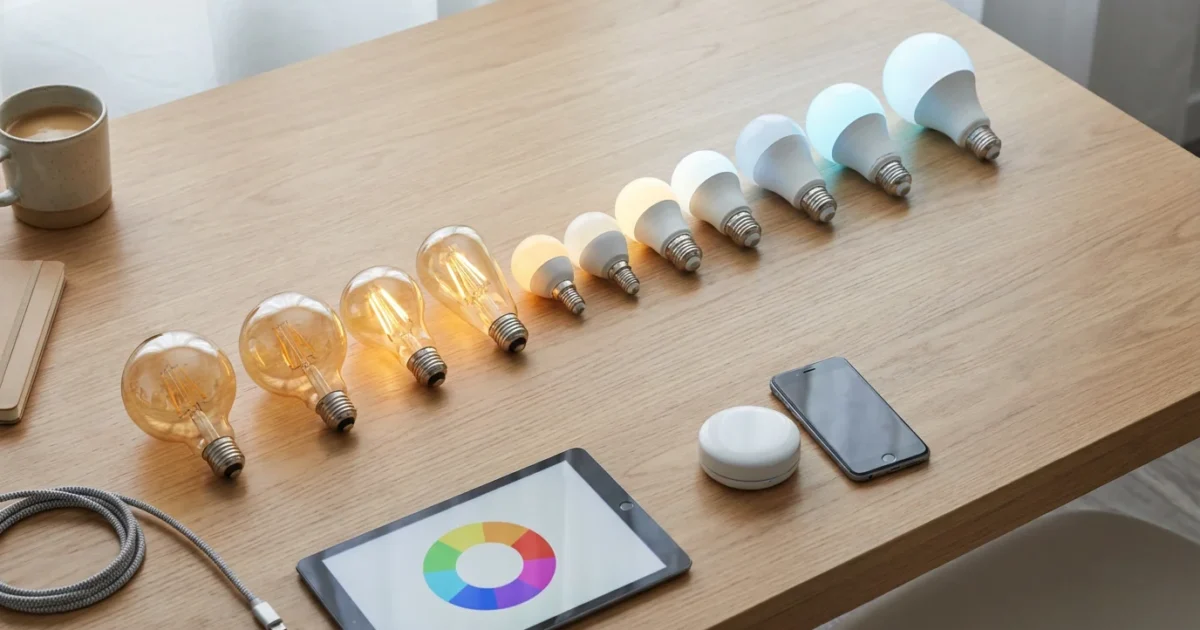
Your home’s lighting significantly impacts mood, productivity, and comfort. Smart bulbs offer incredible flexibility, allowing you to change colors, dim lights, and create schedules. However, one often overlooked aspect that dramatically affects your environment is color temperature. Understanding this concept empowers you to select and utilize smart bulbs effectively, transforming your living spaces for enhanced well-being and functionality.
What is Color Temperature?
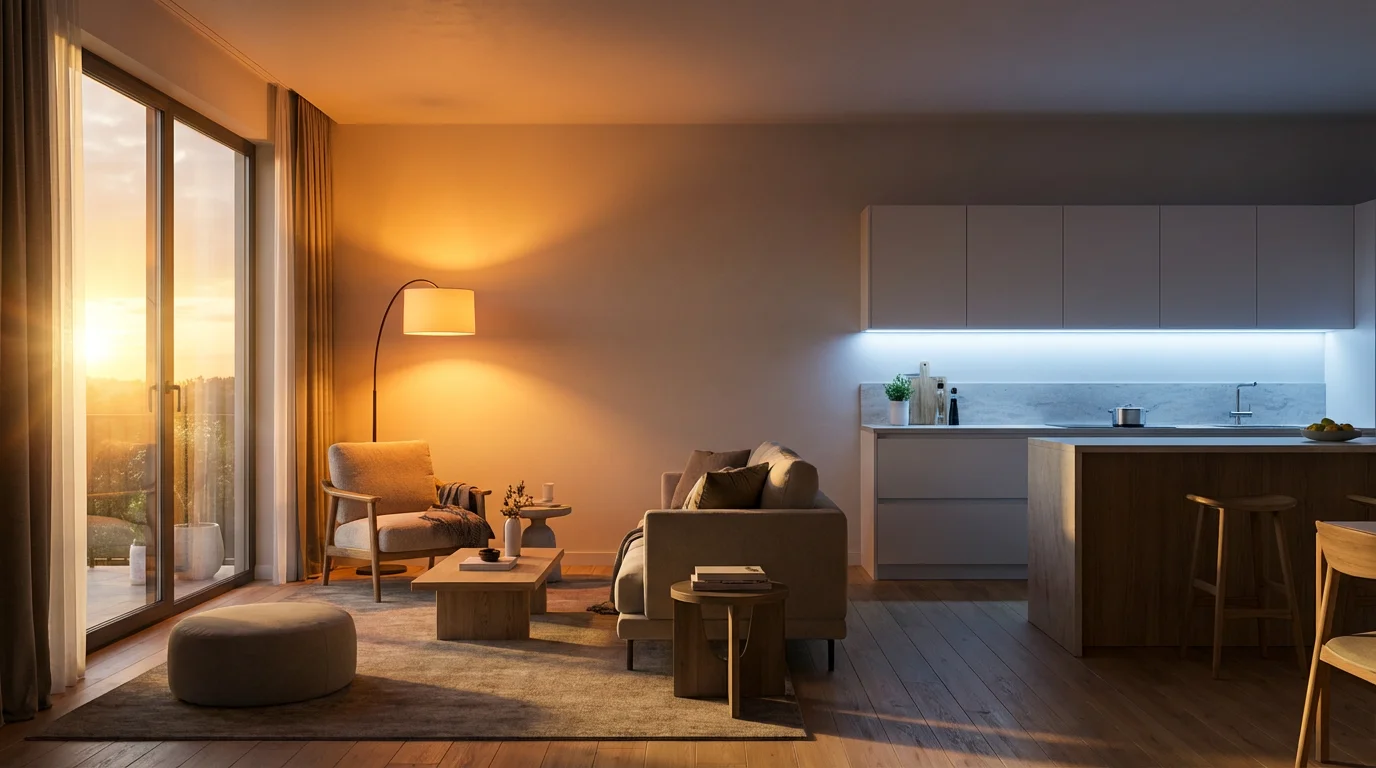
Color temperature describes the appearance of light emitted by a light source. We measure it in Kelvin (K). Contrary to what you might expect, lower Kelvin values represent “warmer” light, appearing more yellow or orange. Higher Kelvin values represent “cooler” light, which looks bluer or whiter.
This measurement helps you match the lighting to the function and ambiance of any room. A cozy bedroom often benefits from warm light, while a productive workspace needs bright, cool light. Smart bulbs provide the unique advantage of adjusting this setting on demand, giving you complete control over your environment.
The Kelvin Scale Explained
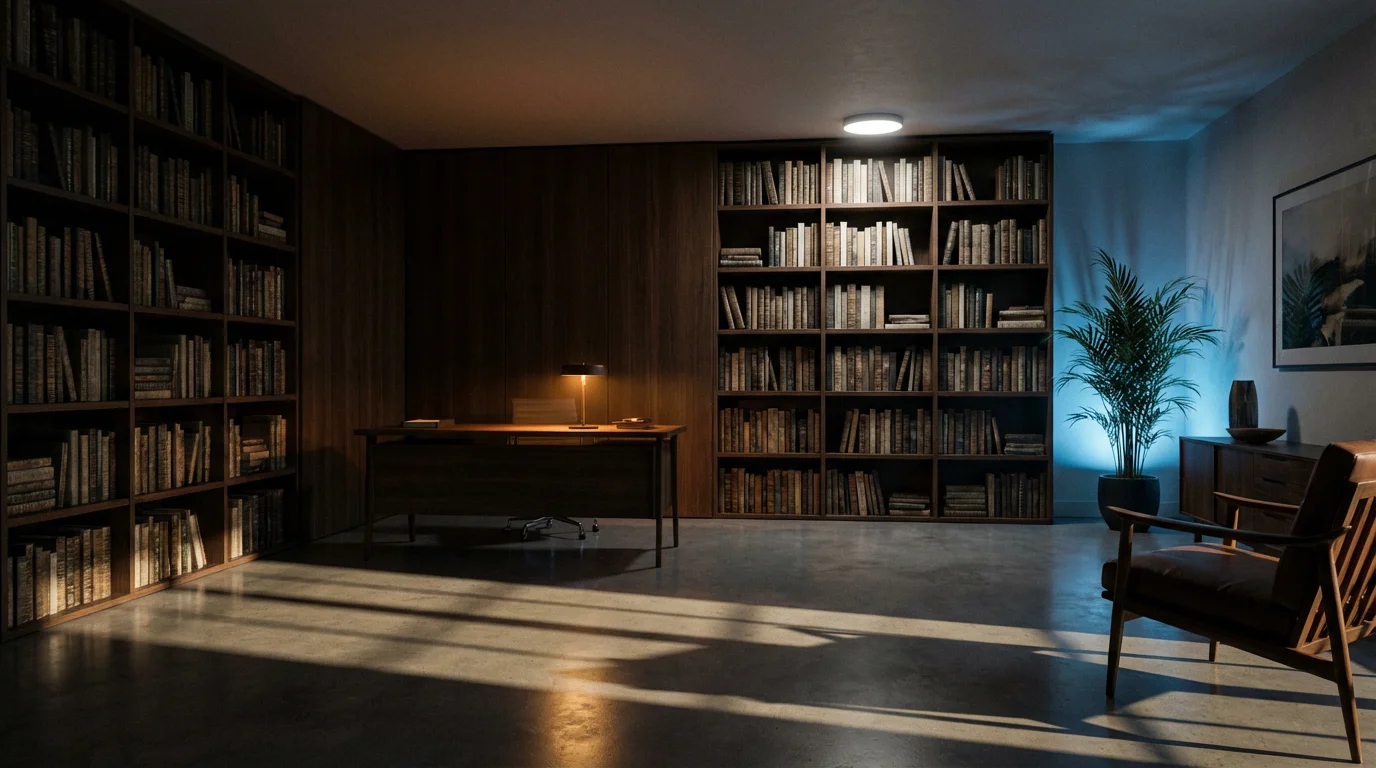
The Kelvin scale is a thermodynamic temperature scale used universally in science and lighting. For smart bulbs, it quantifies the perceived warmth or coolness of white light. A lower Kelvin number signifies a yellowish, warm glow, similar to candlelight. As the Kelvin number increases, the light becomes whiter, then bluer, mimicking natural daylight or even an overcast sky.
Understanding specific Kelvin ranges helps you visualize the light a bulb will produce:
- 1,800K – 2,700K: Ultra Warm White to Warm White. This range creates a cozy, intimate atmosphere. Think of candlelight (1,850K) or traditional incandescent bulbs (2,700K). You find it ideal for bedrooms, living rooms, and dining areas.
- 3,000K – 3,500K: Soft White to Neutral White. This provides a balanced, inviting light that works well in most areas. It is less yellow than warm white but avoids the starkness of cooler tones. Consider this for hallways, kitchens, or general living spaces.
- 4,000K – 5,000K: Cool White to Bright White. This light appears crisp and energetic. It closely resembles midday sun and promotes alertness. Many kitchens, bathrooms, and home offices benefit from this invigorating light.
- 5,000K – 6,500K+: Daylight to Cool Daylight. This very bright, bluish-white light simulates direct daylight. It enhances focus and visibility, making it suitable for task lighting, workshops, or areas requiring high precision. Some experts, like those at Wirecutter, highlight the importance of tunable white light for replicating natural light cycles. Wirecutter Smart Home often recommends smart lighting for its ability to adjust to these varying color temperatures.
Each Kelvin value evokes a different feeling and supports various activities. Your choice significantly impacts your home’s aesthetic and your personal comfort.

Warm White Versus Cool White: Finding Your Preference
The choice between warm white and cool white largely depends on the room’s purpose and your desired mood. Each has distinct characteristics and applications.
Warm White (2,200K – 3,000K)
Warm white light has a soft, inviting glow reminiscent of traditional incandescent bulbs or a sunset. It features yellowish and orange tones, creating a relaxing and comfortable environment. This light helps you unwind and feel at ease.
- Ideal for:
- Bedrooms: Promotes relaxation before sleep.
- Living Rooms: Creates a cozy, welcoming atmosphere for socializing or lounging.
- Dining Rooms: Enhances the warmth of food and encourages lingering conversations.
- Benefits:
- Creates a sense of comfort and intimacy.
- Reduces eye strain in low-light settings.
- Complements warm color palettes and natural wood tones.
Cool White (4,000K – 5,500K)
Cool white light appears cleaner, brighter, and more akin to natural daylight. It has blueish or stark white tones, enhancing alertness and visibility. This light is excellent for task-oriented activities.
- Ideal for:
- Kitchens: Improves visibility for cooking and cleaning.
- Bathrooms: Provides clear, bright light for grooming and makeup application.
- Home Offices: Boosts concentration and reduces fatigue during work.
- Garages/Workshops: Offers optimal visibility for detailed tasks.
- Benefits:
- Increases focus and productivity.
- Makes colors appear more vibrant and accurate.
- Creates a modern, clean aesthetic.
Some smart bulbs offer a fixed color temperature, typically either warm or cool white. However, most modern smart bulbs provide tunable white or full color options, allowing you to switch between these preferences easily.
Tunable White and Full Spectrum Smart Bulbs
When considering what color temperature smart bulb you should buy, think beyond fixed options. Advanced smart bulbs offer remarkable flexibility.
Tunable White Smart Bulbs
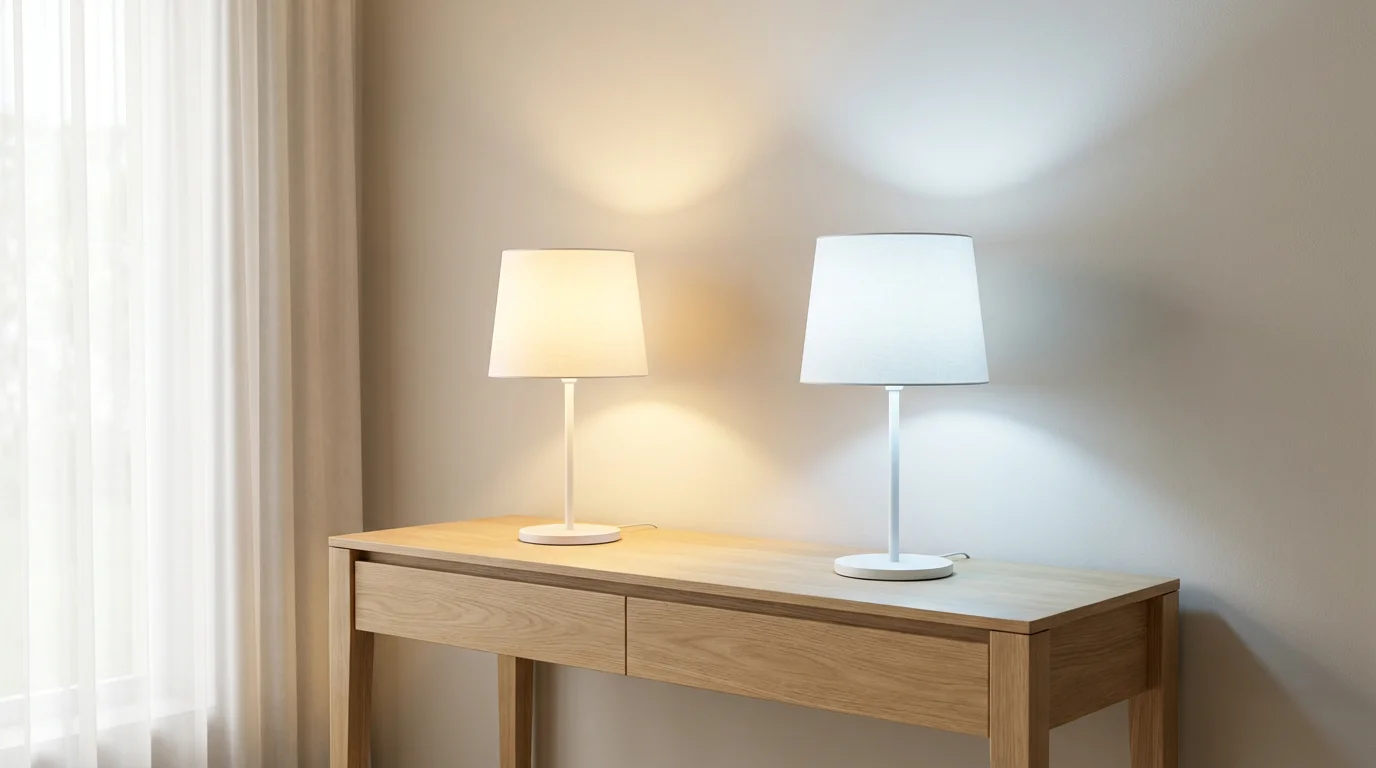
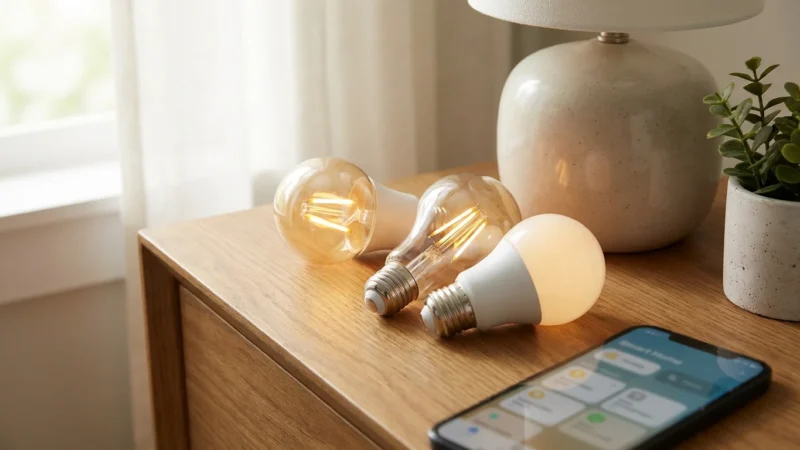
Tunable white bulbs allow you to adjust the color temperature within a specific white light spectrum, typically ranging from a very warm 2,200K to a cool 6,500K. This gives you complete control over the warmth or coolness of your white light. You can make your living room cozy with a warm glow in the evening and bright for cleaning during the day.
Brands like Philips Hue White Ambiance and Wyze Color Bulbs offer excellent tunable white capabilities. This feature is crucial for adapting your lighting to different activities and times of day, optimizing both comfort and utility.
Full Spectrum (RGBW/RGBWW) Smart Bulbs
Full spectrum smart bulbs, often labeled RGBW (Red, Green, Blue, White) or RGBWW (Red, Green, Blue, Warm White/Cool White), combine the ability to produce millions of colors with tunable white light. These bulbs contain dedicated white LEDs alongside color LEDs, offering superior white light quality compared to bulbs that only mix RGB to create white.
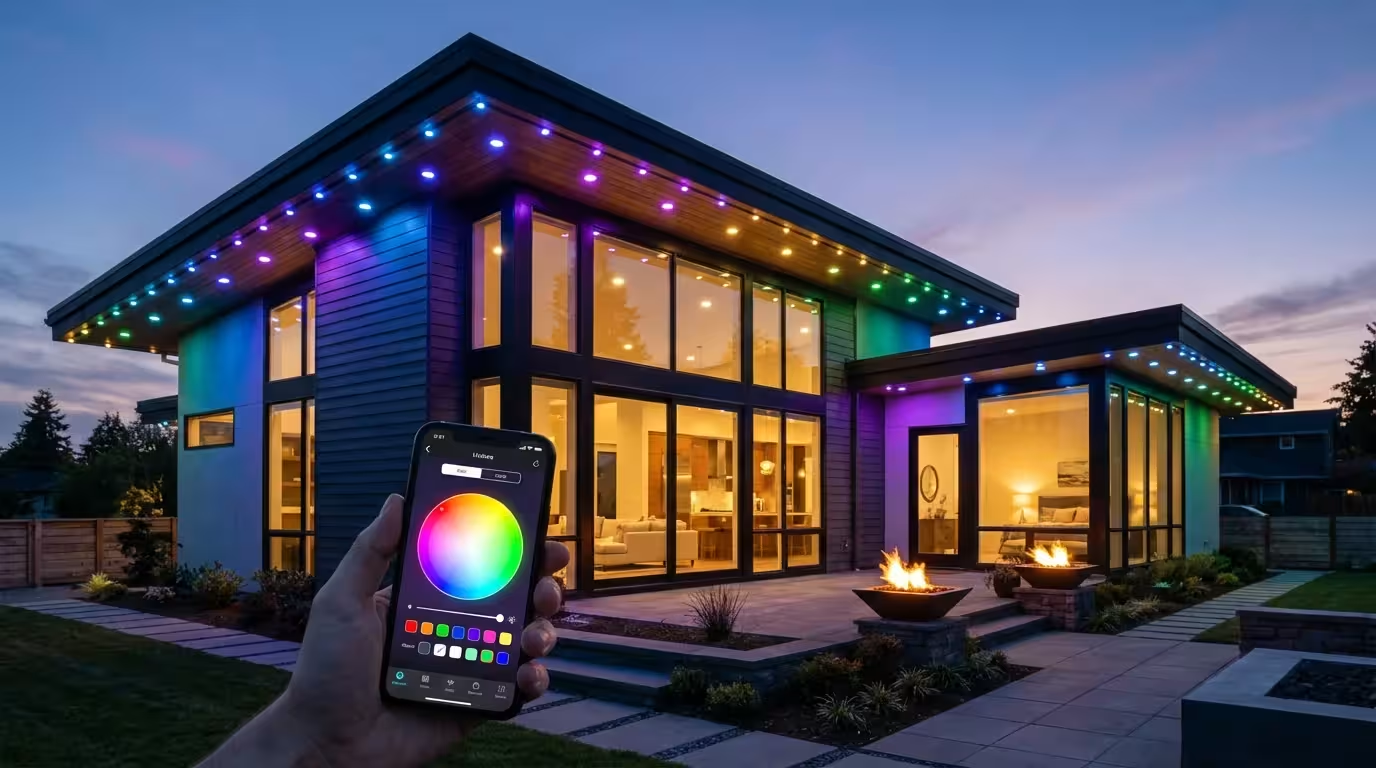
With these bulbs, you can set a festive purple light for a party, then switch to a crisp 4,000K for reading, and finally transition to a warm 2,700K for relaxation. LIFX and many Philips Hue bulbs exemplify this versatility. This provides the most comprehensive control over your home’s ambiance, meeting virtually any lighting need.
The flexibility of tunable white and full spectrum smart bulbs allows you to dynamically adjust your home’s ambiance, transitioning from task-oriented brightness to relaxing warmth with a simple command.
Choosing the Right Color Temperature for Each Room
Deciding how to choose the right light color involves considering the function, mood, and décor of each space. Here is a practical guide:
Proper bulb placement is just as vital as color choice; learn how to set up smart bulbs in every room of your home for the best results.
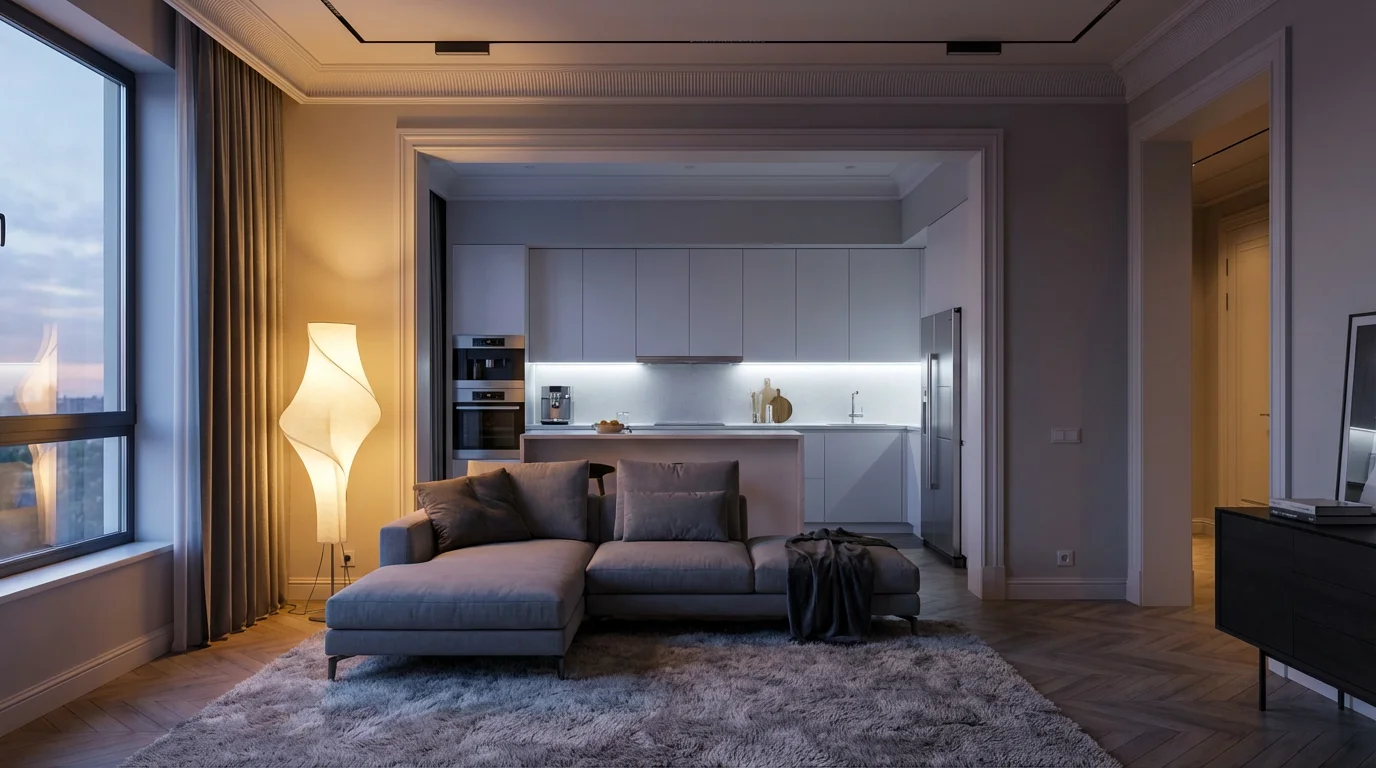
- Living Room: Opt for tunable white bulbs. Use warmer tones (2,700K – 3,000K) for movie nights or casual gatherings, creating a relaxed mood. Increase to neutral white (3,500K) for reading or when you need more general illumination.
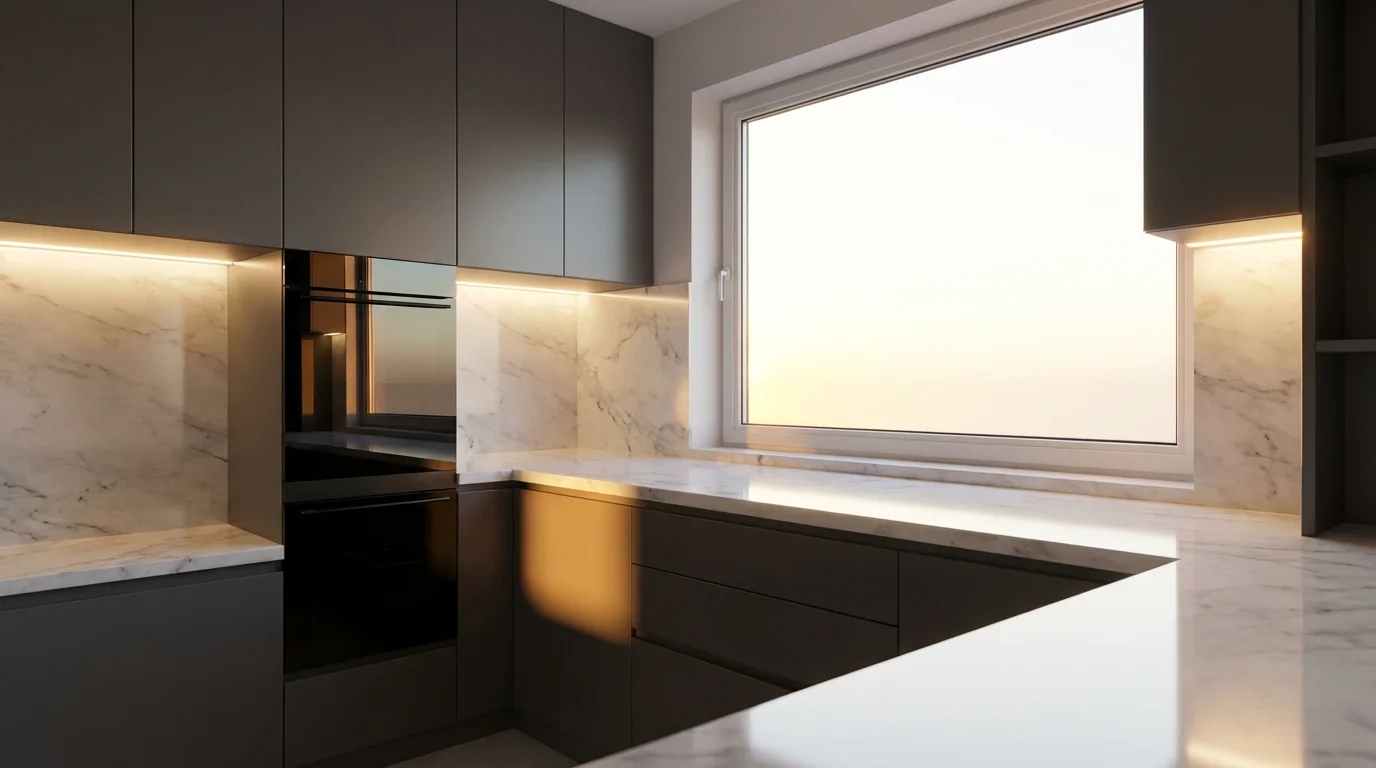
- Kitchen: Bright, cool white light (4,000K – 5,000K) is ideal for task lighting over countertops and islands. It enhances visibility for cooking and makes food preparation safer. You might use a warmer setting (3,000K) for dining within the kitchen area.
- Bedroom: Prioritize relaxation. Start with very warm white (2,200K – 2,700K) in the evenings to signal your body it is time to unwind. For morning tasks, a slightly brighter, neutral white (3,000K – 3,500K) can be helpful, but avoid overly cool tones.
- Home Office: Boost productivity with cool white light (4,000K – 5,000K) during working hours. This stimulates alertness and reduces eye strain. As the day ends, gradually shift to warmer tones to help transition away from work mode.
- Bathroom: Bright, cool white (4,000K – 5,000K) provides excellent illumination for grooming, shaving, and makeup application, ensuring accurate color rendering. Consider a warmer setting for relaxing baths.
- Hallways and Entryways: Neutral white (3,000K – 3,500K) works well here, providing welcoming yet clear light. You can adjust it to be slightly warmer in the evenings.
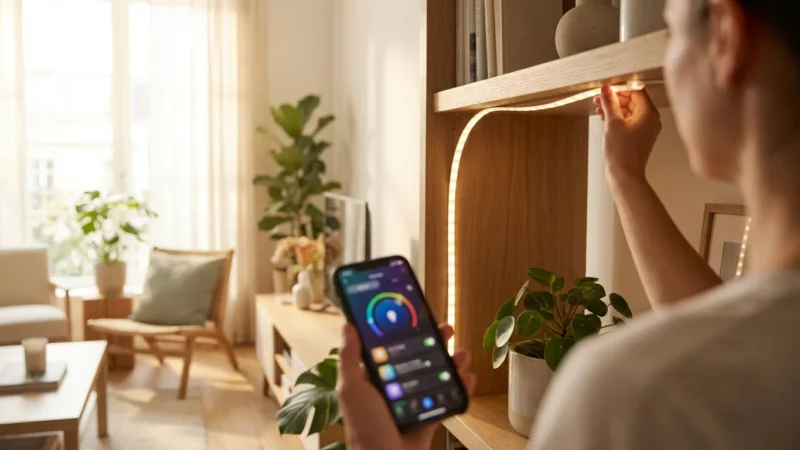
- Accent Lighting (e.g., light strips): These are perfect for showcasing art, backlighting TVs, or adding ambiance. Full spectrum bulbs or strips give you the most creative control, allowing both vibrant colors and precise white light tuning.
Consider your personal preferences. What feels comfortable and functional for one person might feel too stark or too dim for another. Experiment with your smart bulbs to find your ideal settings.

Color Temperature and Circadian Rhythm: Lighting for Well-being
Your body’s natural sleep-wake cycle, known as the circadian rhythm, is heavily influenced by light exposure. Smart lighting, particularly tunable white bulbs, offers a powerful tool to support this rhythm, improving sleep quality and daytime alertness.
Exposure to cool, bright light (high Kelvin) during the day helps suppress melatonin production, keeping you alert and focused. Conversely, exposure to warm, dim light (low Kelvin) in the evening promotes melatonin release, preparing your body for sleep. Disrupting this natural cycle can lead to fatigue, poor sleep, and even health issues.
You can program your smart bulbs to mimic natural light changes throughout the day:
- Morning Energizer: Schedule lights to gradually brighten with a cool white (e.g., 5,000K) setting around your wake-up time. This gently rouses you, signaling the start of the day.
- Daytime Focus: Maintain cool to neutral white light (4,000K – 4,500K) in workspaces during peak hours to enhance concentration and productivity.
- Evening Wind-Down: Begin shifting to warmer, dimmer light (3,000K) in the late afternoon. By evening, transition to very warm, low-intensity light (2,200K – 2,700K) in bedrooms and living areas. This signals your body to prepare for rest, promoting better sleep.
- Nighttime Safety: For late-night bathroom trips, use motion-activated night lights or very dim, warm white path lighting (below 2,000K) to avoid shocking your system with bright light.
Many smart bulb ecosystems, such as Philips Hue with its “Natural Light” feature, offer built-in circadian lighting options. This automates the color temperature changes based on the time of day, minimizing your interaction. PCMag often reviews smart lighting systems that incorporate these health-focused features. PCMag Smart Home provides insights into which systems best support circadian rhythms.
Automating Color Temperature in Your Smart Home
The true power of smart bulbs lies in their ability to automate color temperature changes, making your lighting intelligent and responsive. Integrating your bulbs with a smart home hub or voice assistant unlocks advanced control and convenience.
Scheduling and Scenes
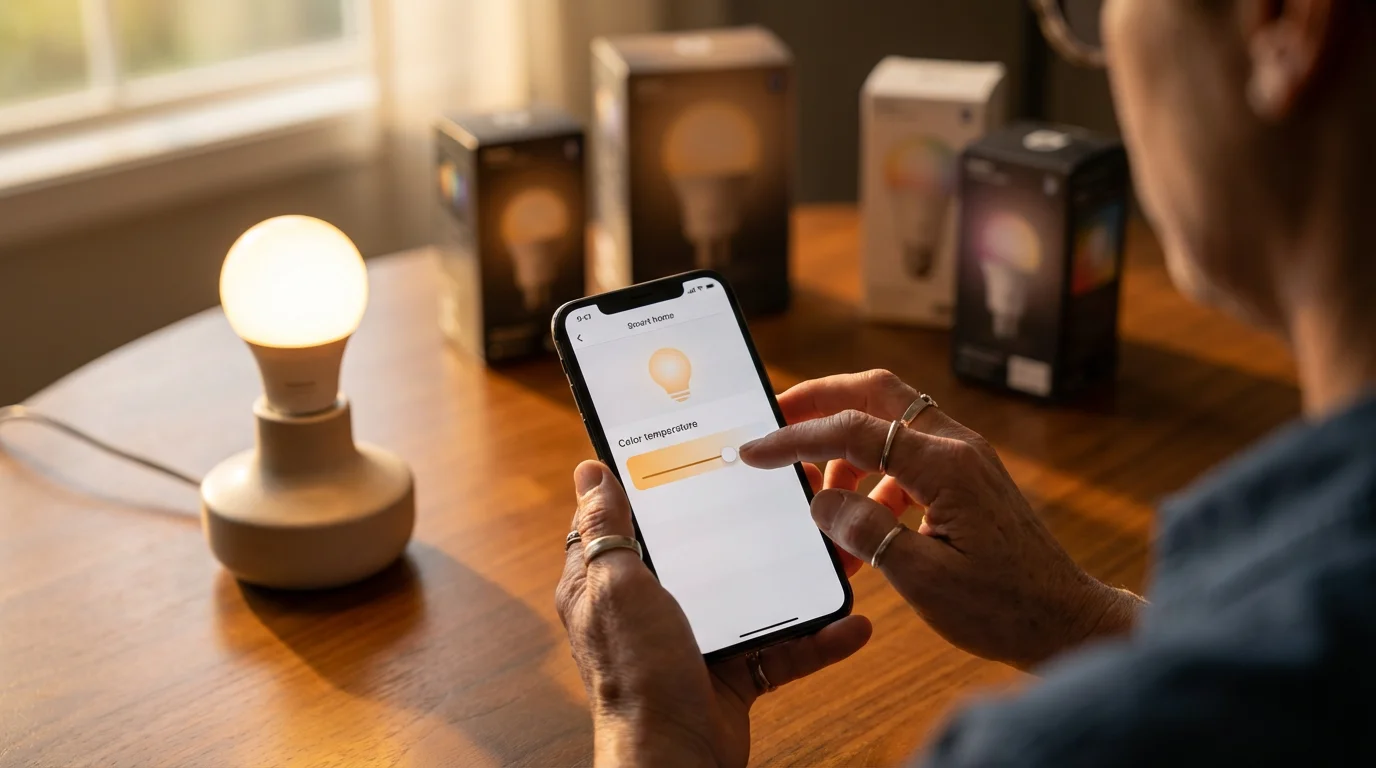
Create schedules that automatically adjust color temperature based on time of day. For example, your kitchen lights could switch from a bright 4,500K in the morning to a softer 3,000K after dinner. You can also save specific color temperature settings as “scenes.”
- “Morning Rush” Scene: Bright 5,000K in the bathroom and kitchen for energy.
- “Work Focus” Scene: Crisp 4,000K in your home office.
- “Movie Night” Scene: Dim 2,700K in the living room, perhaps with some accent colors.
- “Bedtime” Scene: Very dim 2,200K in the bedroom, gradually fading out.
Integration with Voice Assistants
Voice control makes adjusting color temperature effortless. Simply say, “Alexa, set the living room lights to warm white,” or “Hey Google, make the kitchen lights brighter.” This hands-free control is incredibly convenient, especially when your hands are full.
Motion and Sensor Automation
Pairing smart bulbs with motion sensors can trigger specific color temperatures. For example, a motion sensor in your hallway could activate a dim, warm light (2,500K) at night, preventing you from being blinded. During the day, the same sensor could trigger a brighter, neutral light (3,500K).
Geofencing
Some systems allow geofencing, where lights react to your location. When you leave home, lights turn off. When you return, they can turn on to a welcoming warm white setting, especially as evening approaches. This combines convenience with energy savings.
Leading smart home platforms like Apple HomeKit, Google Home, and Amazon Alexa integrate seamlessly with most smart bulbs. Ensure your chosen bulbs are compatible with your preferred ecosystem for the best automation experience.
Popular Smart Bulb Brands and Their Offerings
The smart lighting market offers a wide array of choices, each with different strengths in color temperature control. When you want to choose the right light color, understanding brand capabilities is key.
If you are struggling to decide between these top competitors, check out our detailed comparison of Philips Hue vs LIFX vs Wyze.
- Philips Hue: Renowned for its extensive ecosystem and robust features. Philips Hue offers “White Ambiance” bulbs that tune from warm (2,200K) to cool (6,500K), and “White and Color Ambiance” bulbs that add millions of colors to this range. Their app provides intuitive control and excellent circadian rhythm features.
- LIFX: Known for producing exceptionally bright and vibrant colors, LIFX bulbs also offer excellent tunable white capabilities. Most LIFX bulbs are full-color, providing a wide white light spectrum from very warm to very cool. They connect directly to Wi-Fi, often bypassing the need for a separate hub.
- Wyze: Wyze offers budget-friendly smart bulbs with surprisingly good features. Their “Wyze Color Bulb” provides tunable white light from 1,800K to 6,500K, alongside full-color options. These are an excellent entry point for beginners wanting to experiment with color temperature.
- Sengled: Sengled offers a range of smart bulbs, including tunable white and full-color options. They often focus on energy efficiency and provide good value. Some models require a hub, while others are Wi-Fi direct.
- Govee: While primarily known for light strips and vibrant accent lighting, Govee also produces smart bulbs that offer a broad range of color temperatures and extensive color customization, often with unique dynamic effects.
- C by GE/Cync: These bulbs integrate well with Google Home and Alexa. They provide tunable white options and full-color capabilities, often connecting via Bluetooth or Wi-Fi, or through a hub for extended features.
Consider compatibility with your existing smart home ecosystem (e.g., Matter, Zigbee, Wi-Fi) and the level of brightness (lumens) you need. Many modern bulbs are adopting the Matter standard, promising easier cross-platform integration, as detailed by the Matter Smart Home Standard organization.

Installation and Best Practices
Installing smart bulbs is generally straightforward, but a few best practices ensure optimal performance and safety.
- Read the Manual: Always start by reviewing the manufacturer’s instructions for your specific bulbs. This ensures proper setup and addresses any unique requirements.
- Power Off: Before replacing any bulb, turn off the light switch and, if possible, the circuit breaker controlling the fixture. Safety is paramount when dealing with electricity.
- Screw In Securely: Screw the smart bulb firmly into the socket. A loose connection can cause flickering or connectivity issues.
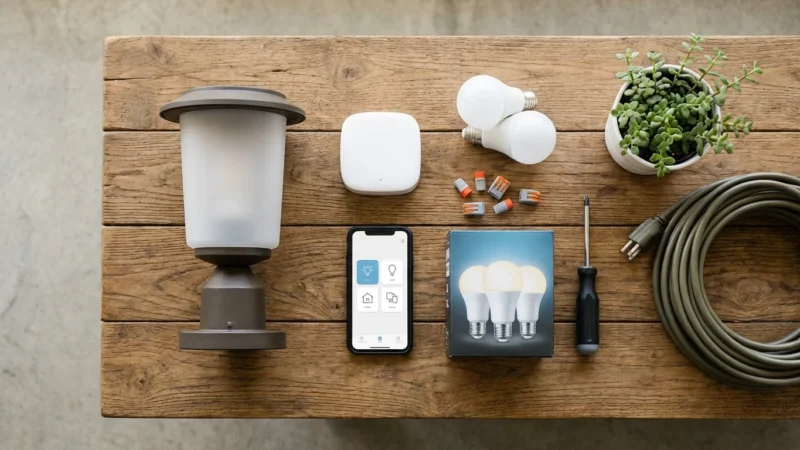
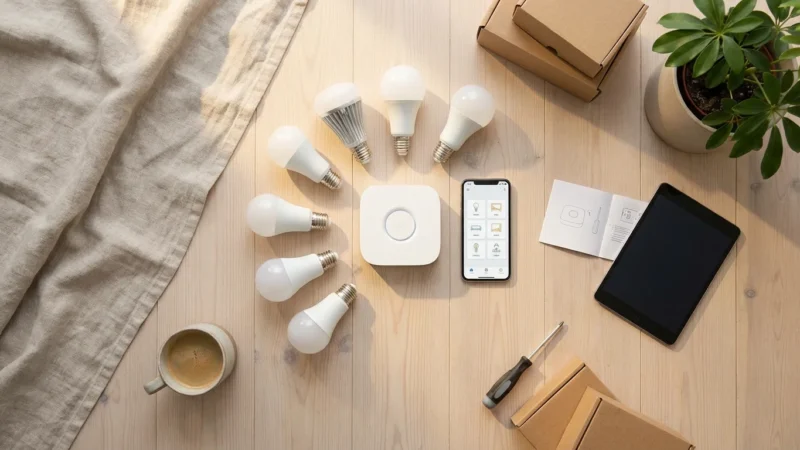
- Initial Setup: Most smart bulbs require an initial setup process using their dedicated app. This usually involves pairing them with your phone via Bluetooth or Wi-Fi, then connecting them to your home network.
- Firmware Updates: Keep your bulb’s firmware updated. Manufacturers frequently release updates that improve performance, add features, and fix bugs.
- Wi-Fi Strength: Ensure strong Wi-Fi coverage in areas where smart bulbs are installed. Weak signals can lead to unresponsiveness or dropped connections. For Zigbee-based systems like Philips Hue, consider adding a few always-on smart plugs or bulbs to act as signal repeaters.
- Dimmer Switches: If you have traditional dimmer switches, replace them with a regular on/off switch or bypass them. Smart bulbs have their own dimming capabilities, and traditional dimmers can cause damage or flickering. If you are unsure how to modify electrical wiring, consult a licensed electrician.
- Grouping and Rooms: Organize your bulbs into groups and rooms within your smart home app. This allows you to control multiple lights simultaneously and manage your home more efficiently.
By following these steps, you will enjoy a seamless and safe experience with your new smart lighting system.
Frequently Asked Questions
What is the most relaxing color temperature for a bedroom?
For a bedroom, the most relaxing color temperature is typically very warm white, ranging from 2,200K to 2,700K. This soft, amber glow mimics candlelight or a traditional incandescent bulb, helping your body produce melatonin and prepare for sleep. Avoid bright, cool white light in bedrooms, especially in the hours leading up to bedtime.
Can smart bulbs change from warm white to cool white?
Yes, many smart bulbs, specifically those labeled as “tunable white” or “full color” (RGBW/RGBWW), can seamlessly change from warm white to cool white. These bulbs allow you to adjust the Kelvin value through their app or voice commands, giving you dynamic control over the light’s appearance for different activities and times of day.
What color temperature is best for a home office to stay focused?
To maximize focus and productivity in a home office, a cool white color temperature between 4,000K and 5,000K is ideal. This bright, crisp light mimics natural daylight, stimulating alertness and reducing eye strain. You can always shift to a warmer, softer light as your workday concludes.
Does color temperature affect energy consumption?
No, changing the color temperature of an LED smart bulb does not significantly affect its energy consumption. The power draw primarily depends on the brightness (lumens) of the light output, not the color temperature. Running a bulb at 6,500K consumes roughly the same energy as running it at 2,700K, assuming the brightness level remains constant.
How do I choose the right light color for my living room?
For your living room, consider a smart bulb with tunable white or full-color capabilities. This allows you to adapt the light to various activities. Use warmer tones (2,700K-3,000K) for relaxation and social gatherings, creating a cozy ambiance. For reading or general illumination, switch to a neutral white (3,500K-4,000K). The flexibility lets you tailor the light to the moment.
Understanding color temperature unlocks the full potential of your smart lighting system. It empowers you to craft dynamic environments that enhance comfort, productivity, and overall well-being. By thoughtfully selecting and automating your smart bulbs, you gain a powerful tool to transform your home and enrich your daily life.
Disclaimer: This article is for informational purposes only. Smart home devices involve electrical connections and data privacy. Always follow manufacturer instructions for installation. For complex wiring or HVAC work, consult a licensed professional.


Leave a Reply