
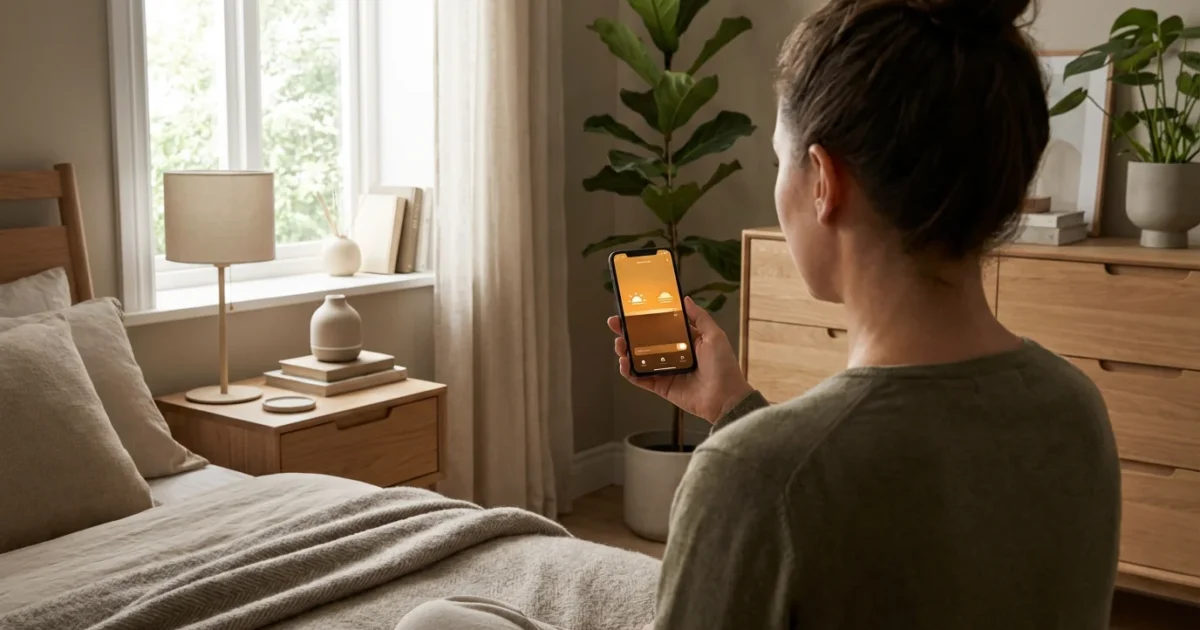
Your body naturally operates on a powerful internal clock, known as your circadian rhythm, which profoundly influences your sleep-wake cycle, energy levels, and overall health. Light is the most critical factor in regulating this rhythm. Disrupting your natural light exposure, especially with harsh artificial light in the evening, can sabotage your sleep quality and leave you feeling sluggish and unfocused.
This guide shows you how to harness smart lighting technology to support your body’s natural processes. You will learn to create a home environment that promotes deeper, more restorative sleep and optimizes your energy throughout the day, transforming your home into a sanctuary that works in harmony with your biology.
Understanding Your Circadian Rhythm and Light
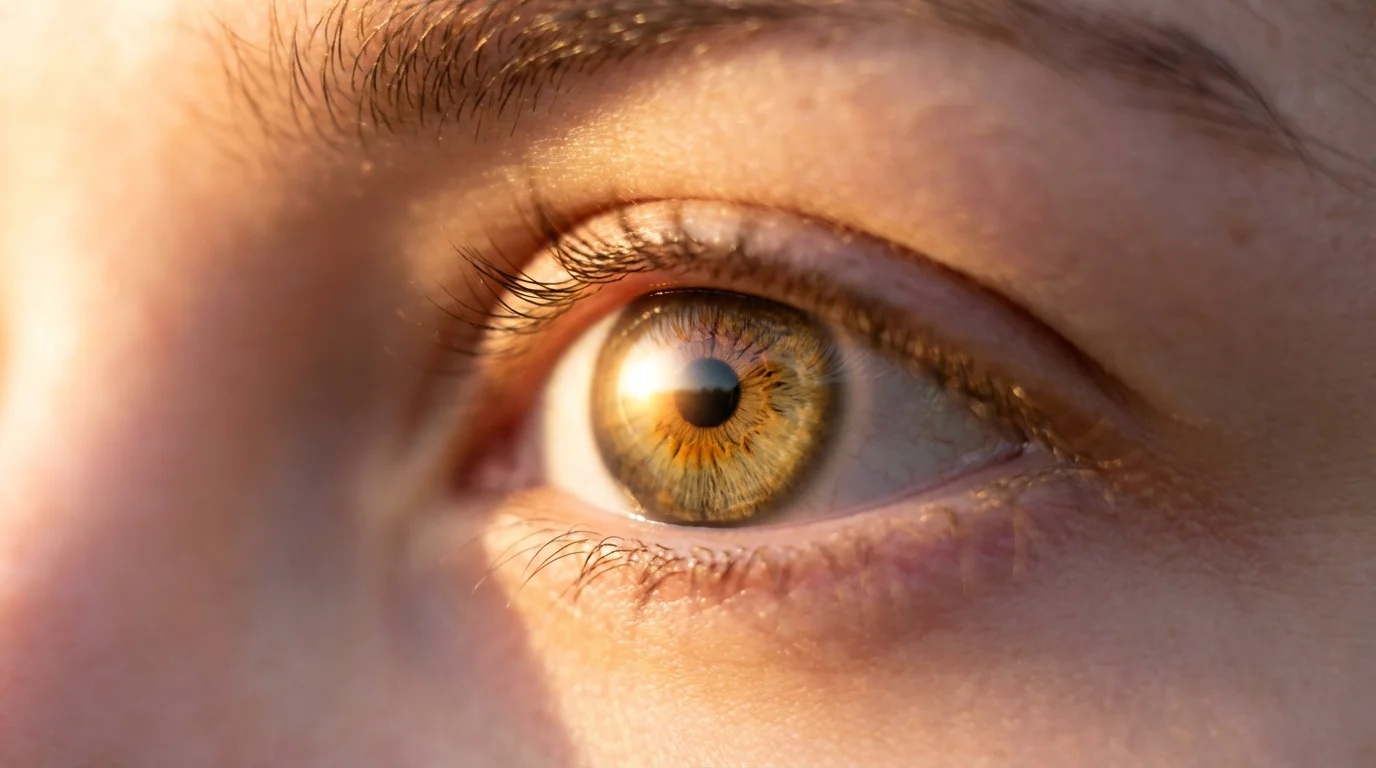
Your circadian rhythm is a complex, roughly 24-hour cycle of physiological and behavioral changes that responds primarily to light and darkness in your environment. Specialized cells in your eyes detect light and send signals directly to the suprachiasmatic nucleus (SCN) in your brain. This SCN acts as your body’s master clock, dictating when you feel alert, when you feel sleepy, and influencing everything from hormone release to digestion.
Bright, blue-rich light during the day signals your brain to stay alert and active. This exposure suppresses melatonin, a hormone crucial for sleep. Conversely, darkness at night signals your body to produce melatonin, helping you feel drowsy and prepare for sleep. This natural rhythm evolved over millennia, intrinsically linked to the sun’s cycle.
However, modern lifestyles often interfere with this delicate balance. We spend significant time indoors, exposed to artificial light that lacks the intensity and full spectrum of natural daylight. Then, in the evening, we expose ourselves to screens, overhead lights, and other sources that emit blue light, actively suppressing melatonin production. This can lead to difficulty falling asleep, fragmented sleep, and an overall reduction in sleep quality.
“Light exposure, especially in the evening, plays a critical role in regulating our internal clock and the timing of melatonin release, directly impacting our ability to fall and stay asleep.”
This widely recognized principle in chronobiology underscores the profound connection between light and our sleep health. Understanding this connection empowers you to leverage smart lighting for significant improvements.
How Smart Lighting Influences Sleep
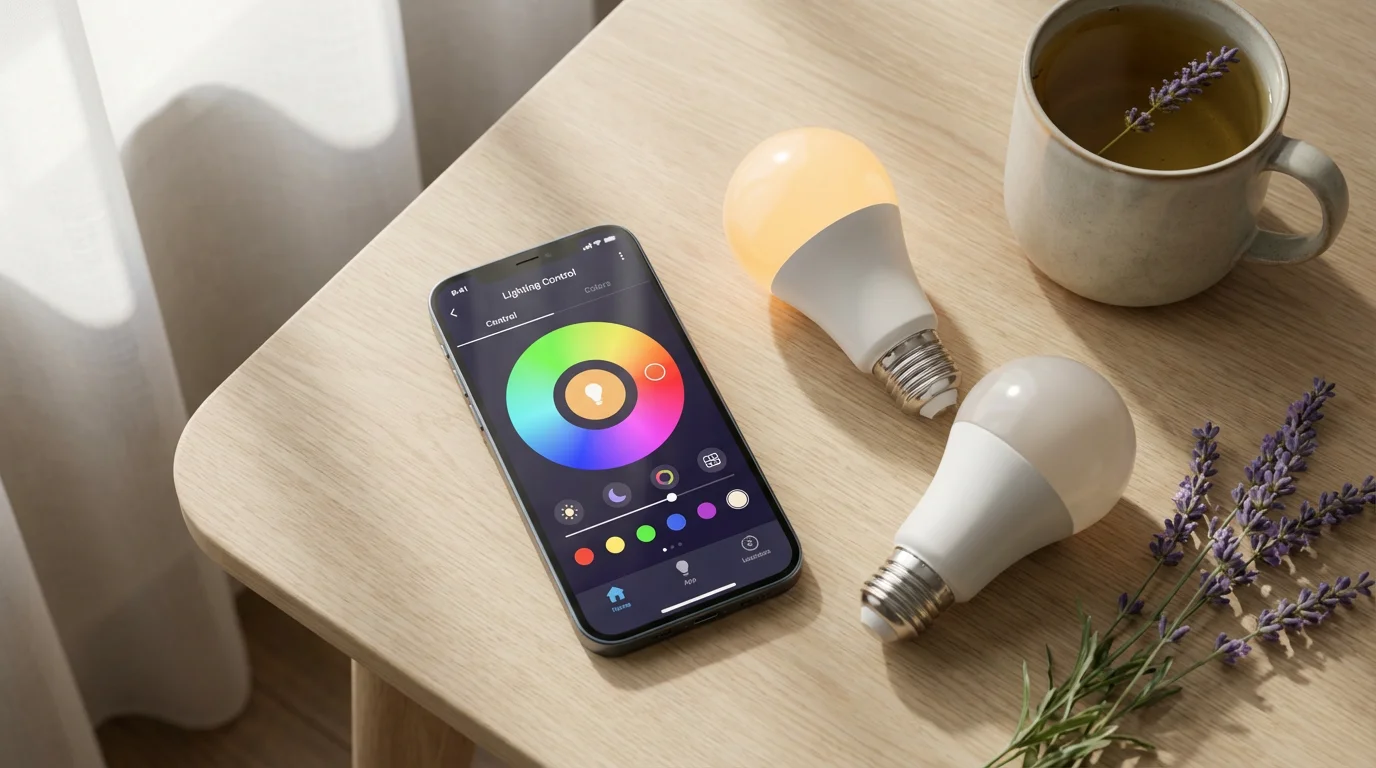
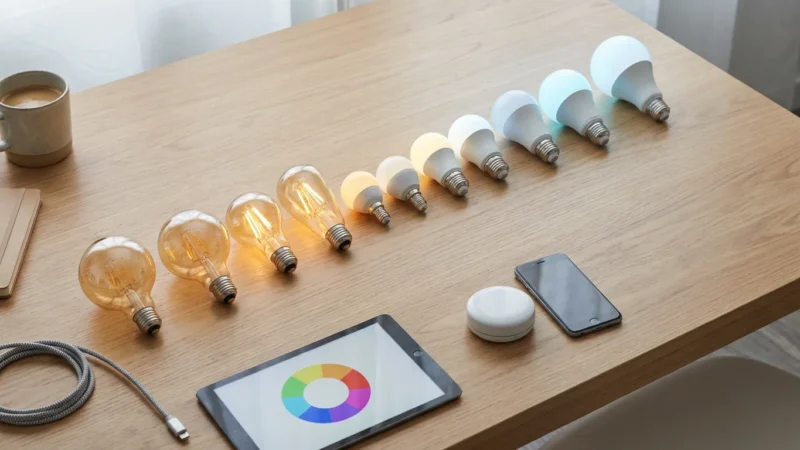
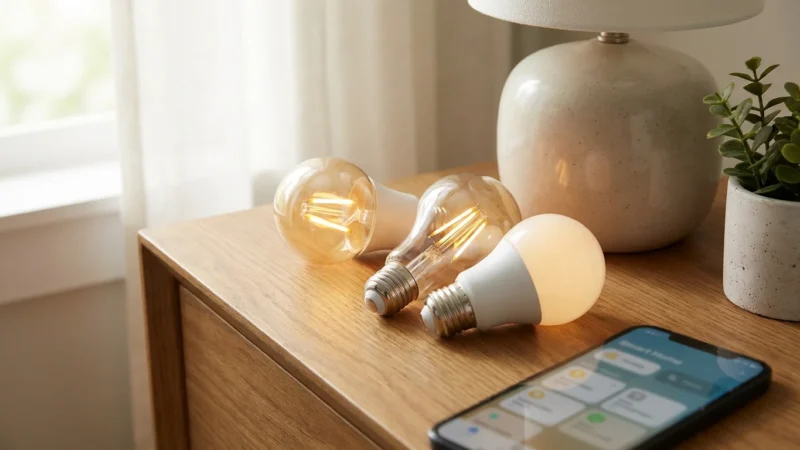
Smart lighting provides unprecedented control over the light in your home, allowing you to mimic and optimize natural light cycles indoors. Tunable white smart bulbs and full-color spectrum bulbs offer the ability to precisely adjust both light intensity (brightness) and color temperature. This precision empowers you to create dynamic lighting environments that actively support your circadian rhythm rather than disrupt it.
By controlling your light exposure with smart devices, you effectively send the right signals to your brain at the right time. Bright, cool light in the morning helps you wake up and feel energized by suppressing melatonin. As the day progresses, you can shift to neutral light to maintain focus. Crucially, as evening approaches, you transition to warm, dim light, which encourages melatonin production and signals to your body that it is time to relax and prepare for sleep. This conscious management of your light environment leads directly to better sleep quality and improved daytime alertness.
Designing Your Circadian Lighting System
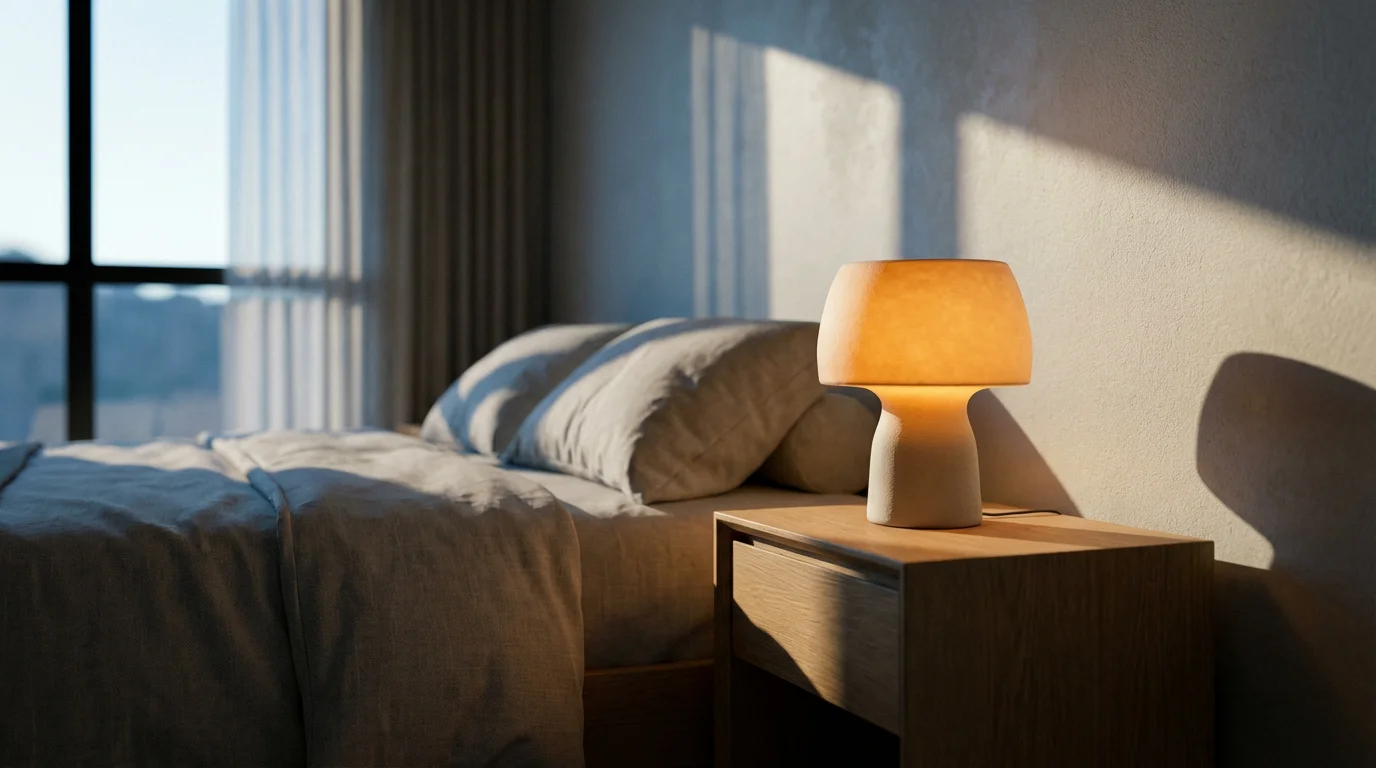
Implementing a circadian lighting system involves more than just swapping out a few bulbs. It requires thoughtful planning of light color, brightness, and timing across different areas of your home throughout your day. Your objective is to mirror the natural sun cycle as closely as possible, guiding your body’s internal clock.
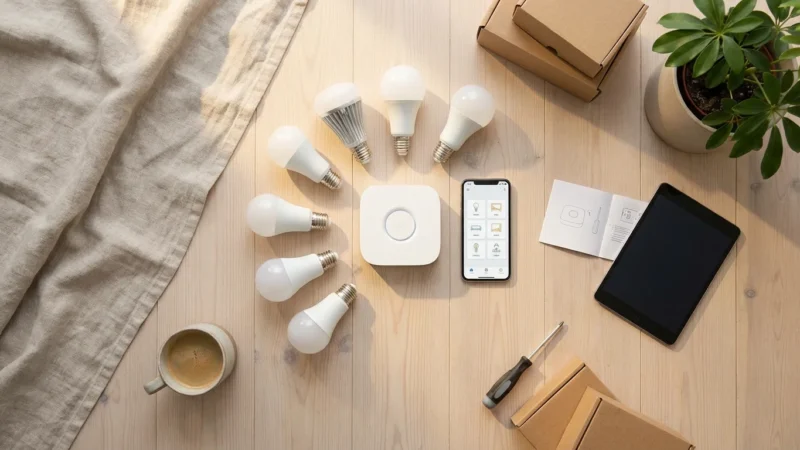
For a detailed layout, you can follow our guide on how to set up smart bulbs in every room of your home.
Morning: Awaken and Energize with Bright, Cool Light
Start your day with an invigorating burst of light. Mimic the morning sun by setting your smart lights to a bright, cool white, typically ranging from 4000K to 6500K. This stimulates alertness, helps suppress lingering melatonin, and eases your transition from sleep.
- Program bedroom lights to slowly brighten over 30-60 minutes, reaching full intensity at your wake-up time.
- Use cool white light in bathrooms and kitchens during your morning routines for a stimulating effect.
- Maximize natural daylight in living areas by opening blinds or curtains immediately.
Daytime: Maintain Focus with Neutral, Balanced Light
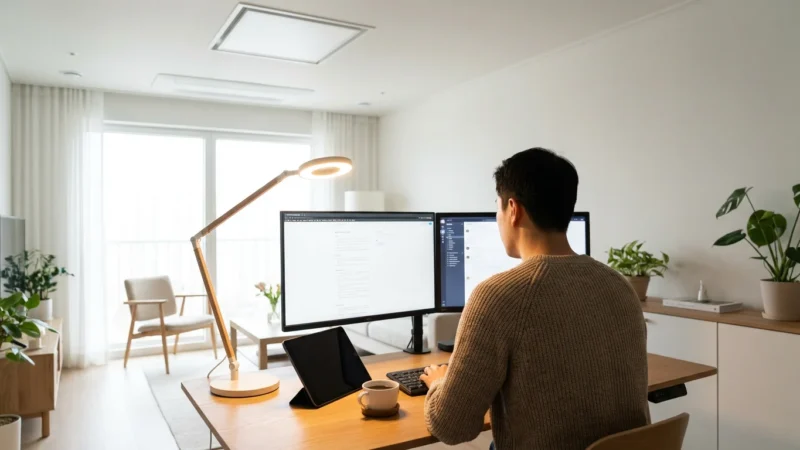
During working hours or active periods, a neutral white light, generally around 3000K to 4000K, supports focus, concentration, and productivity. This range feels comfortable and natural. Avoid overly dim or excessively cool lights unless you specifically use them for task lighting.
- Utilize neutral white light in home offices, studies, and active living spaces.
- Supplement natural light with smart bulbs to maintain consistent brightness, especially on cloudy days.
- Integrate motion sensors in less-used areas to ensure lights are only on when needed, optimizing both comfort and energy savings.
Evening: Prepare for Rest with Warm, Dim Light
As evening approaches, this phase becomes the most critical for sleep preparation. Gradually shift your lights to a very warm, dim glow, typically between 2200K and 2700K. Many smart bulbs offer amber or red tones in this range, which are highly effective at promoting melatonin production and helping your body relax. This warm light evening transition is key to improving sleep quality.
- Begin dimming and warming your lights 2-3 hours before your target bedtime.
- Replace bright overhead lights with soft, indirect accent lighting, such as table lamps with smart bulbs or LED light strips.
- Focus on creating a cozy, low-light environment that signals to your body that it is time to unwind.

Top Smart Bulbs and Light Strips for Better Sleep
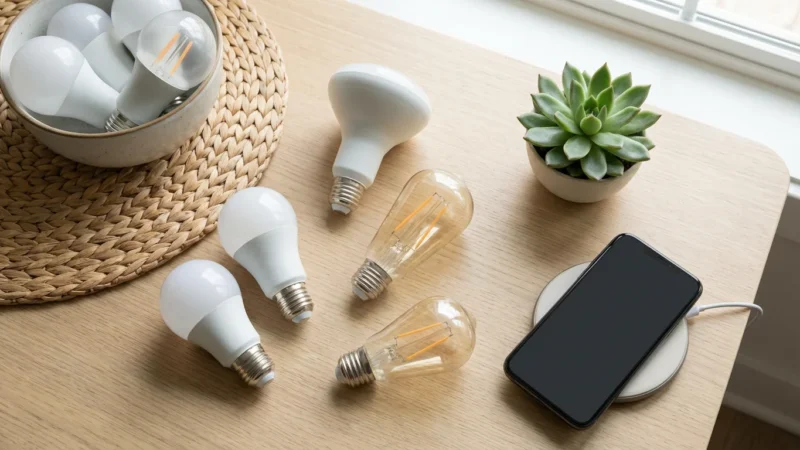
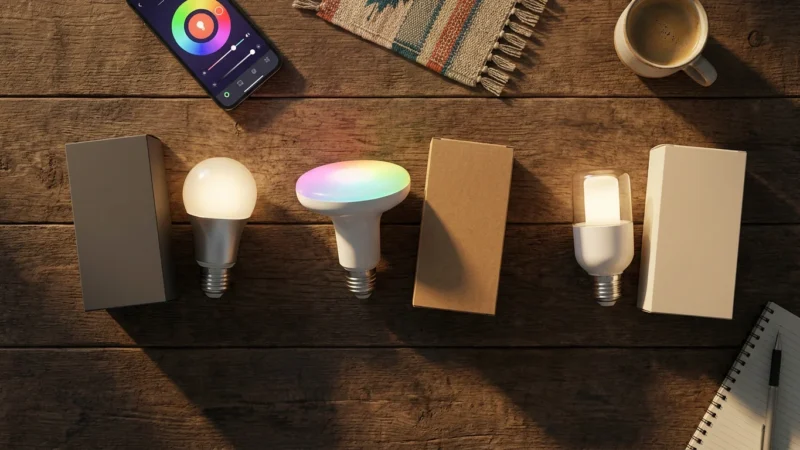
Choosing the right smart lighting devices is fundamental for an effective circadian system. Look for bulbs and strips that offer full color temperature control, robust dimming capabilities, and reliable connectivity. Consider integration with your existing smart home setup.
To see how these top manufacturers compare in detail, check out our analysis of Philips Hue vs LIFX vs Wyze.
Philips Hue White and Color Ambiance
Philips Hue remains a market leader for its reliability, extensive product range, and robust ecosystem. The White and Color Ambiance bulbs provide excellent dimming, a wide spectrum of color temperatures, and easy integration with major smart home platforms. You also gain access to a wide variety of accessories, like dimmer switches and motion sensors, for comprehensive control. The Hue app offers built-in “Wake up” and “Go to sleep” routines specifically designed to support circadian rhythms.
- Pros: Excellent color accuracy and brightness, highly reliable connectivity (Zigbee via Bridge), vast product ecosystem, strong third-party integrations, user-friendly app with circadian features.
- Cons: Higher initial cost, requires a Hue Bridge for full functionality and maximum reliability.
- Best for: Users seeking a premium, comprehensive, and highly customizable smart lighting solution with proven reliability.
LIFX Smart Bulbs
LIFX bulbs stand out for their exceptional brightness and vibrant color output, often without needing a separate hub. They connect directly to your Wi-Fi, simplifying setup for some users. Their “Day & Dusk” feature is specifically designed to automatically adjust color temperature and brightness throughout the day to support circadian rhythms, requiring minimal manual setup. LIFX also offers unique features like “warm dim” that further enhance their evening light capabilities.
- Pros: Hub-free operation (Wi-Fi direct), very bright and vibrant colors, advanced app features for circadian automation, “warm dim” technology.
- Cons: Can occasionally impact Wi-Fi network performance with many bulbs, generally a higher price point than budget options.
- Best for: Those prioritizing exceptional brightness, vibrant colors, and advanced circadian features with direct Wi-Fi connectivity.
Wyze Smart Bulbs and Light Strips
Wyze offers an extremely affordable entry point into smart lighting, providing solid color temperature control and dimming capabilities at a fraction of the cost of premium brands. While they might not match the extreme brightness or extensive ecosystem of Hue or LIFX, they deliver reliable performance for basic circadian rhythm support. Wyze also offers smart light strips, which are excellent for adding ambient, indirect lighting.
- Pros: Very budget-friendly, hub-free (Wi-Fi), good basic color temperature control and dimming, easy to set up.
- Cons: Fewer advanced features and integrations compared to premium brands, potentially less robust app integrations for complex automations.
- Best for: Beginners or budget-conscious homeowners wanting to try circadian lighting without a large investment, or for less critical areas.
Smart Light Strips and Accent Lighting
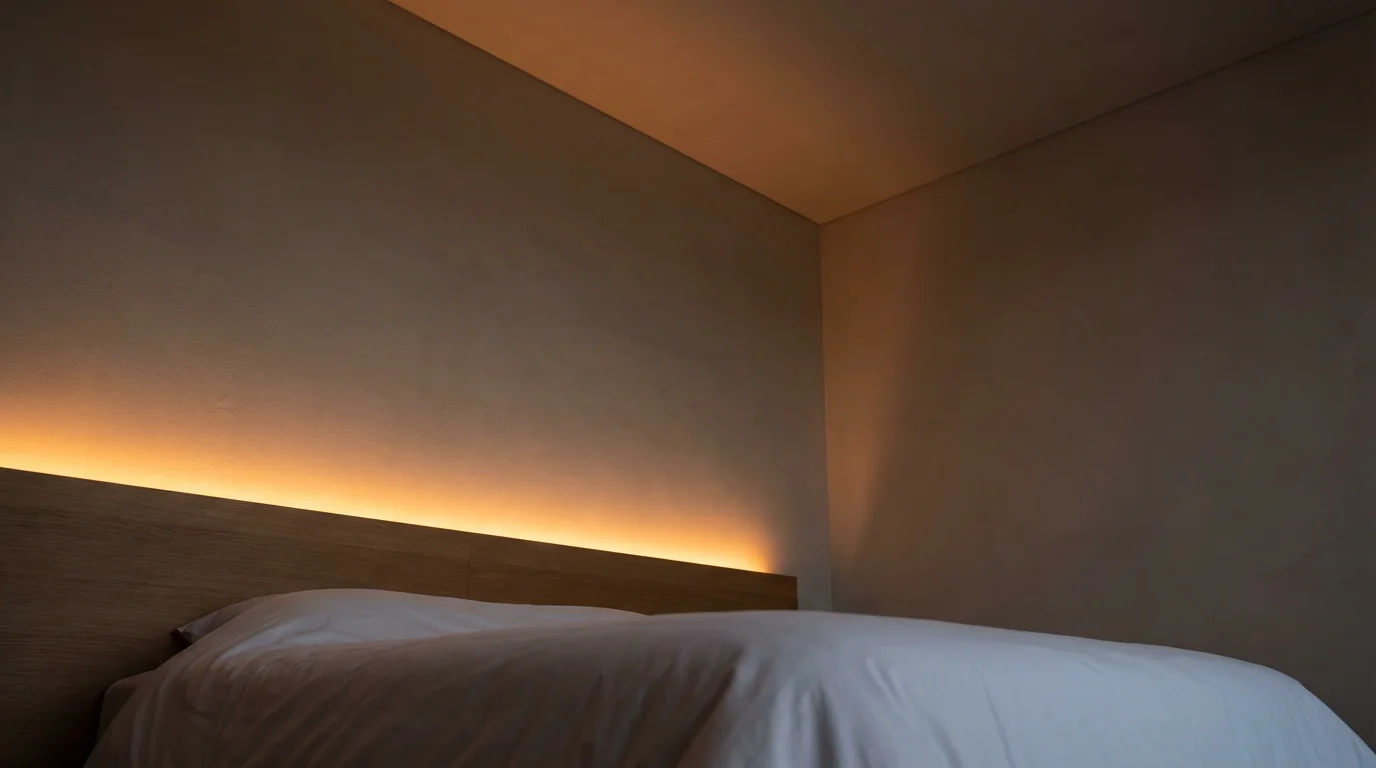
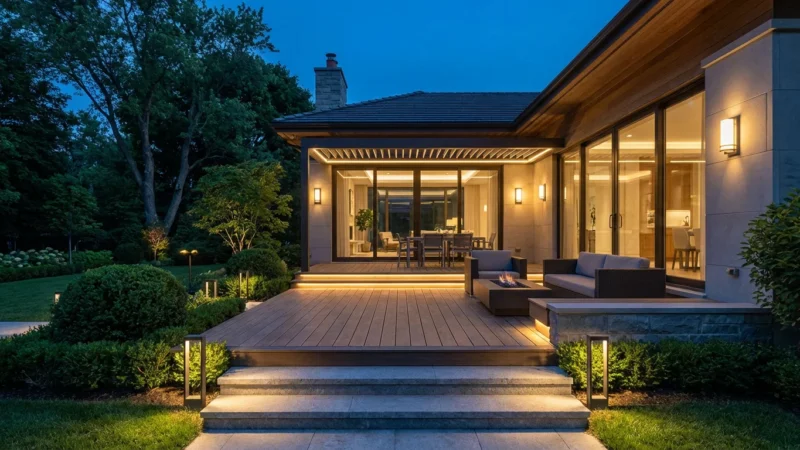
Smart light strips offer incredibly versatile accent lighting, perfect for creating mood and supporting your evening wind-down routine. Install them behind TVs, under cabinets, along bed frames, or within coves for indirect, ambient illumination. These add a crucial layer of warm light evening options without harsh direct light.
- Use warm white light strips in bedrooms and living rooms after sunset to provide gentle, non-disruptive illumination.
- Place strips strategically to avoid direct glare, focusing on an ambient glow that subtly changes the atmosphere.
- Integrate light strips into your circadian schedules for a seamless, multi-layered light transition throughout your home.
For more detailed comparisons of smart lighting systems, including their strengths and weaknesses for various smart home applications, you can consult expert reviews from sources like Wirecutter’s smart home guides.
Automating Your Sleep-Wake Cycles with Smart Lights
The true power of smart lighting for better sleep lies in automation. Set up schedules that automatically adjust your lights throughout the day, so you do not need to think about it daily. This consistency reinforces your circadian rhythm and helps you build healthier sleep habits effortlessly.
Sunrise Simulation for Gentle Waking
Wake up more naturally and feel less groggy with a simulated sunrise. Program your bedroom lights to begin dimming up about 30-60 minutes before your alarm, gradually increasing in brightness and shifting from a warm red or amber to a cool white. This gentle illumination helps your body naturally decrease melatonin and prepare for wakefulness, making your alarm less jarring.
- Open your smart lighting app (e.g., Philips Hue, LIFX, Wyze Home).
- Navigate to the “Routines,” “Schedules,” or “Automations” section.
- Create a new routine for your bedroom lights, naming it “Sunrise Wake-Up.”
- Set the start time to 30-60 minutes before your desired wake-up time.
- Choose a “fade in” or “sunrise” effect, selecting a very warm starting color (e.g., 2200K or a deep red) and a bright, cool ending color (e.g., 5000K-6000K).
- Specify the duration of the fade, usually 20-45 minutes.
- Apply the routine to your bedroom smart bulbs and any relevant bedside lamps.
Sunset and Evening Dimming for Sleep Preparation
Reverse the sunrise effect in the evening to prepare your body for sleep. Schedule your lights to gradually dim and warm up as bedtime approaches. This warm light evening routine signals to your brain that it is time to wind down, promoting melatonin production and significantly improving sleep quality.
- In your smart lighting app, create an evening routine for your main living areas and bedroom, naming it “Sunset Wind-Down.”
- Set the routine to begin 2-3 hours before your target bedtime.
- Program lights to gradually dim and shift to very warm color temperatures (e.g., 2200K-2700K).
- Ensure all bright, blue-rich overhead lights are off or significantly dimmed by your scheduled bedtime, relying instead on indirect or accent lighting.
- Consider adding a “lights off” routine at your actual bedtime, or a very dim nightlight setting if you need some minimal illumination.
Motion-Activated Night Lights for Uninterrupted Sleep
Avoid harsh light exposure during middle-of-the-night trips to the bathroom or kitchen. Install motion sensors that trigger very dim, warm red or amber lights. This minimal, non-blue illumination guides you without shocking your system, ensuring you can quickly return to sleep without disrupting your melatonin production or sleep cycle.
- Pair motion sensors with a smart bulb or light strip in your hallway, bathroom, or kitchen.
- Configure the automation to turn on the bulb to a very dim, warm red or amber (e.g., 1-5% brightness, 2000K red) for a short duration (e.g., 2-5 minutes) only when motion is detected.
- Ensure the light turns off automatically after a set period of no motion, maintaining darkness.
- Consider placing sensors strategically to avoid accidental triggers, such as from pets.
Integrating with Voice Assistants and Smart Home Platforms
Seamless integration with voice assistants like Amazon Alexa, Google Assistant, and Apple HomeKit, or broader smart home platforms such as Samsung SmartThings, enhances the convenience and effectiveness of your circadian lighting system. You gain hands-free control and the ability to create complex, multi-device automations that contribute to your sleep health.
Voice Control for Instant Adjustments
Use your voice assistant to make immediate, real-time adjustments to your lights. You can say, “Alexa, dim the bedroom lights to 10%” or “Hey Google, set the living room lights to warm white.” This provides flexibility when your schedule deviates from your automated routines, or when you simply want to override a setting with ease.
- Ensure your smart lighting system is successfully linked to your chosen voice assistant’s app.
- Create specific scenes or moods within your lighting app for easy recall via voice commands (e.g., a “Goodnight” scene that dims all lights and sets them to warm white).
- Familiarize yourself with various voice commands to quickly adjust brightness, color temperature, or activate specific routines.
Cross-Platform Automations for Comprehensive Routines
Many smart lighting systems integrate with broader smart home platforms, allowing you to combine lighting changes with other smart devices to create comprehensive, sleep-enhancing routines. For example, your “Goodnight” routine could not only dim lights but also lower your smart thermostat, lock your smart doors, and activate a white noise machine.
Platforms supporting Matter, the new smart home connectivity standard, offer even greater interoperability. Matter-enabled devices from different brands communicate seamlessly, simplifying your smart home setup and expanding automation possibilities. Exploring the Matter smart home standard helps you choose future-proof devices that work together effortlessly, creating a truly unified sleep environment.
- Explore your smart lighting app’s integration options with platforms like Apple HomeKit, SmartThings, or IFTTT (If This Then That) for advanced cross-device automations.
- Design “sleep preparation” or “wake up” scenes that trigger multiple devices simultaneously, creating a holistic approach to your circadian health.
- Consider smart plugs to turn off non-smart devices, like traditional bedside lamps or electronics, as a part of your automated sleep routine, eliminating standby power consumption and light pollution.
Advanced Tips for Optimizing Your Sleep Environment
Beyond basic circadian lighting principles, several advanced strategies help you fine-tune your sleep environment for maximum benefit. These tips address other sensory inputs that significantly affect your rest and complement your smart lighting efforts.
Minimize Blue Light Exposure from All Screens
Even with perfectly orchestrated smart lighting, blue light from phones, tablets, computers, and televisions can significantly disrupt melatonin production. Make a conscious effort to minimize evening screen time. Activating “night shift” or “reading mode” on all your devices automatically shifts screen colors to warmer tones in the evening. Aim to discontinue all screen use at least an hour, or preferably two, before your target bedtime.
- Enable blue light filters on all electronic devices and ensure they activate automatically in the evening.
- Invest in blue light blocking glasses if unavoidable evening screen use is necessary for work or other reasons.
- Designate a strict “no screens in the bedroom” policy to create a dedicated sleep sanctuary.
Optimize Bedroom Temperature for Comfort
Your bedroom temperature plays a significant role in how well you sleep. Most sleep experts recommend a cool bedroom, typically between 60-67°F (15-19°C), as this range supports your body’s natural drop in core temperature needed for sleep initiation. Integrate a smart thermostat into your “Goodnight” routine to adjust the temperature automatically, ensuring your room is perfectly cool when you climb into bed. For insights on energy-efficient heating and cooling, explore resources like Energy Star’s guide to smart thermostats.
- Program your smart thermostat to reach your ideal sleep temperature an hour or two before your bedtime.
- Ensure good ventilation in your bedroom to prevent stuffiness and maintain fresh air circulation.
- Consider smart fans or smart window AC units if you do not have central air, integrating them into your smart home system for automated temperature control.
Reduce Noise and Light Pollution for a True Sanctuary
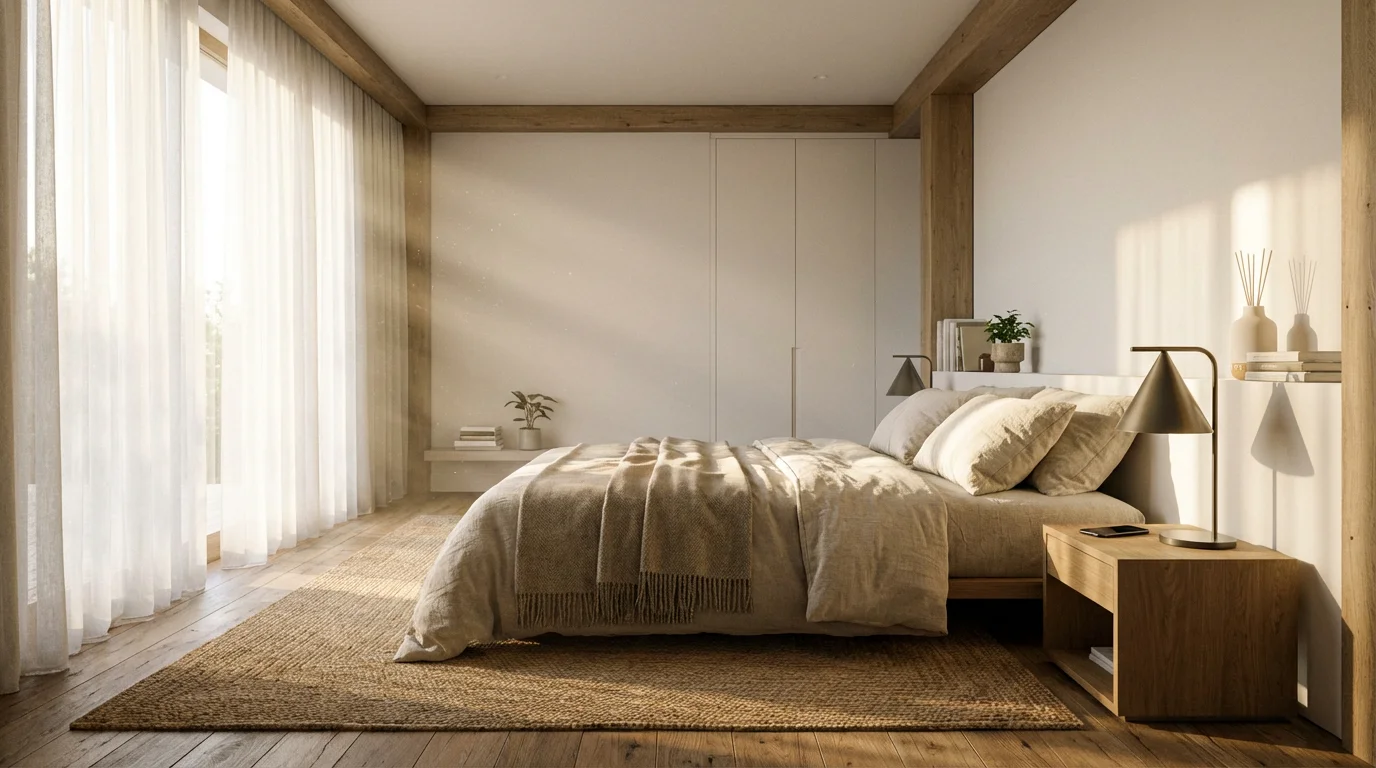
External noise and light sources can severely interrupt sleep, even if you are not fully aware of them. Combine your smart lighting strategy with physical solutions to create a truly dark and quiet sanctuary in your bedroom.
- Install high-quality blackout curtains or blinds to effectively block all external light, especially if you live in an urban area or have streetlights outside your window.
- Use a white noise machine or a smart sound machine to mask disruptive external sounds, such as traffic, neighbors, or household noises.
- Consider smart blinds or shades that can automatically close at sunset and open at sunrise, providing an additional layer of light control and privacy.
Frequently Asked Questions
How quickly will smart lighting improve my sleep?
Many users report noticeable improvements in sleep quality and energy levels within a few days to a few weeks of consistently implementing circadian lighting principles. Your body needs time to adjust to the new light patterns and melatonin regulation. Consistency is key for optimal results.
Do I need special bulbs for circadian lighting?
Yes, you need smart bulbs capable of dynamically changing color temperature, specifically those that can emit a wide range from very warm white light (around 2200K-2700K, often with amber or red tones) to cool white light (4000K-6500K). Look for bulbs labeled “tunable white” or “white and color ambiance” from brands like Philips Hue, LIFX, or Wyze. Standard smart bulbs that only dim or offer a single white temperature are insufficient for full circadian benefits.
Can smart lighting replace blackout curtains?
Smart lighting effectively regulates your internal clock by controlling the light you expose yourself to within your home. However, it does not block external light sources such as streetlights or morning sun streaming through your windows. For optimal sleep, especially in urban or brightly lit areas, you should combine smart circadian lighting with physical barriers like blackout curtains or smart shades to ensure complete darkness in your bedroom during sleep hours.
Is circadian lighting only for bedrooms?
While the bedroom is a primary focus for sleep optimization, you can extend circadian lighting principles to other areas of your home. Using bright, cool lights in your home office or kitchen for focus and energy during the day, and warm, dim lights in living areas in the evening, helps reinforce healthy circadian rhythms throughout your entire day, not just at bedtime. This creates a cohesive and supportive lighting environment for your well-being.
What is the best color temperature for bedtime?
For bedtime, the best color temperature is very warm white, ideally between 2200K and 2700K. This range mimics the warm, amber glow of a sunset or candlelight, containing minimal blue light. It signals to your brain that it is time to produce melatonin and prepare for sleep, significantly improving your ability to fall asleep and stay asleep without disruption. Avoid any blue-rich light for at least two hours before bed.
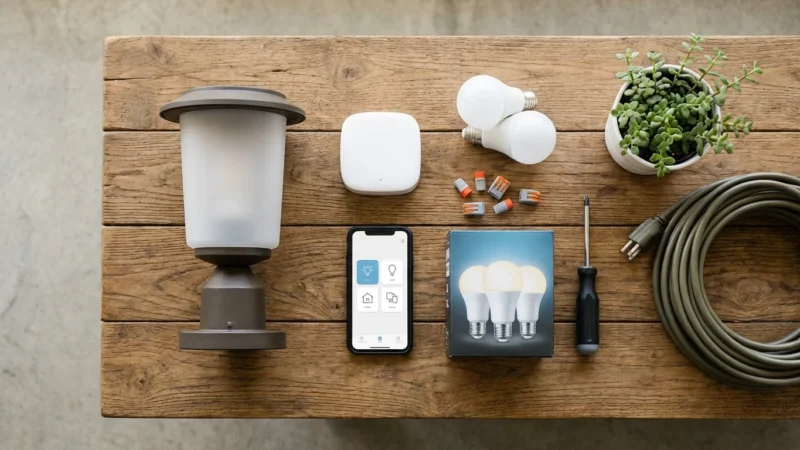
Disclaimer: This article is for informational purposes only. Smart home devices involve electrical connections and data privacy. Always follow manufacturer instructions for installation. For complex wiring or HVAC work, consult a licensed professional.
Leave a Reply