
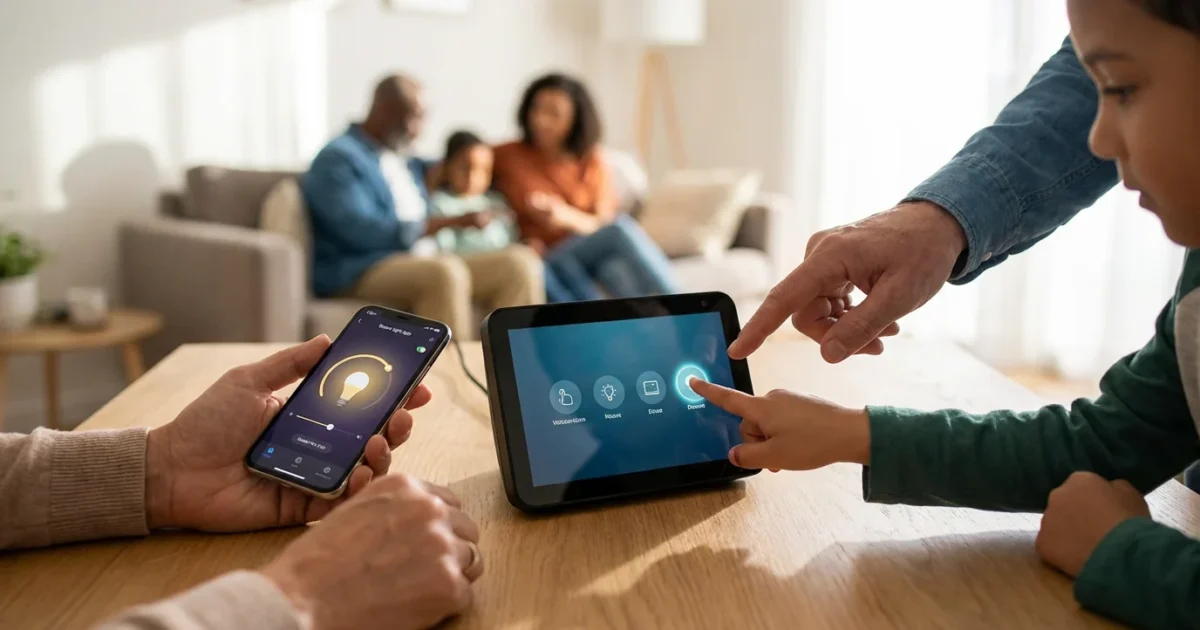
Integrating smart home technology into your living space brings incredible benefits, from enhanced security and energy savings to unparalleled convenience. Yet, introducing these changes often faces resistance from family members who worry about complexity, privacy, or cost. You can bridge this gap and foster genuine household buy-in for a smarter, more efficient home. This guide provides practical strategies and actionable insights to help you get your family on board.

Understanding Family Concerns About Smart Home Tech
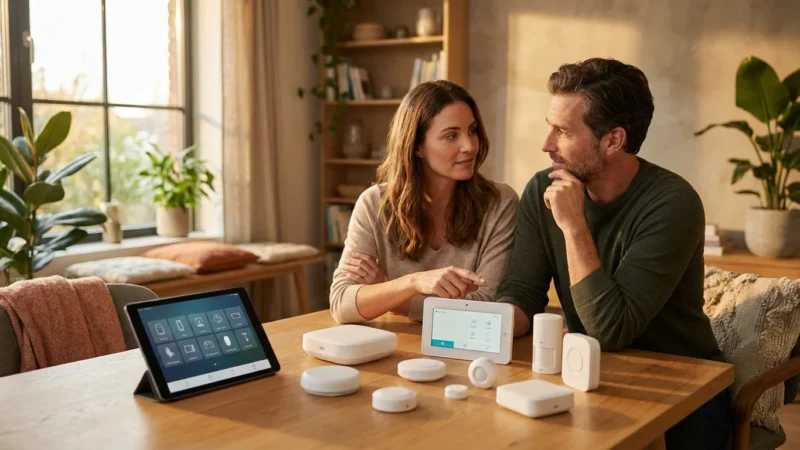
Your family’s hesitation with smart home technology typically stems from a few common anxieties. They might worry about the learning curve, feeling overwhelmed by new gadgets, or perceiving smart devices as intrusive. Some fear a loss of control, imagining a home that dictates their actions rather than serving them. Addressing these specific concerns directly proves crucial for successful family adoption.
You often encounter worries about data privacy and security. Family members may question who sees the video from a smart camera or how companies use their voice commands. Cost also presents a significant barrier, as many assume smart home integration requires a massive upfront investment. Understanding these points allows you to frame your arguments effectively.

Being transparent about both the pros and cons of building a smart home can help your family understand the trade-offs before you start.
Start Small, Prove the Value: Focus on Convenience
The most effective way to gain spouse approval and broader household buy-in involves introducing smart tech gradually, starting with devices that offer immediate, undeniable convenience. Avoid overwhelming your family with a full-scale overhaul. Instead, identify one or two simple pain points smart devices can solve.
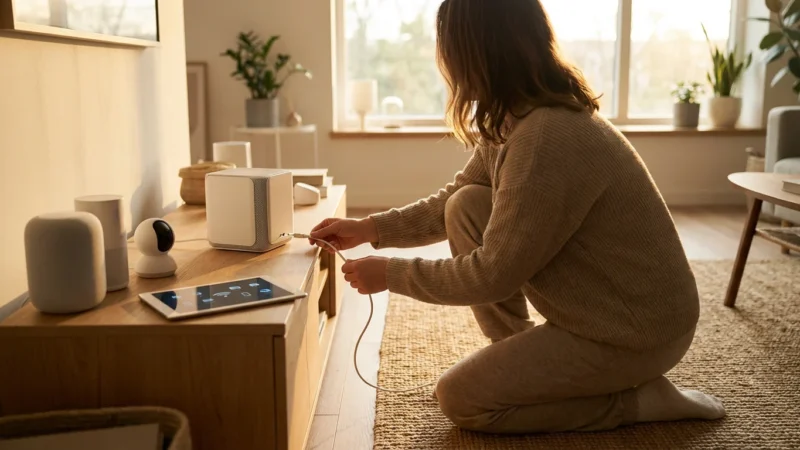
Focus on “first smart home devices to buy” that require minimal setup and provide instant gratification. This approach builds positive associations and demonstrates tangible benefits without significant disruption.
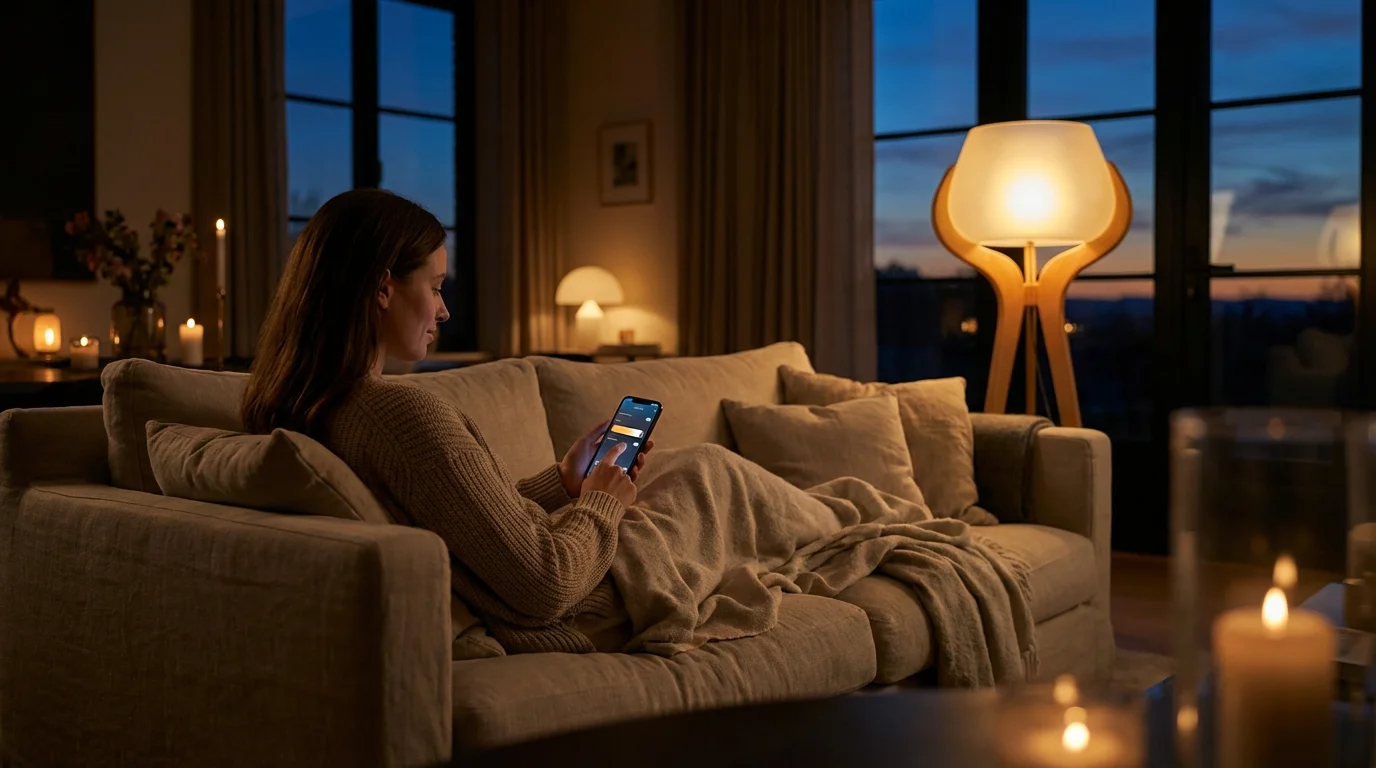
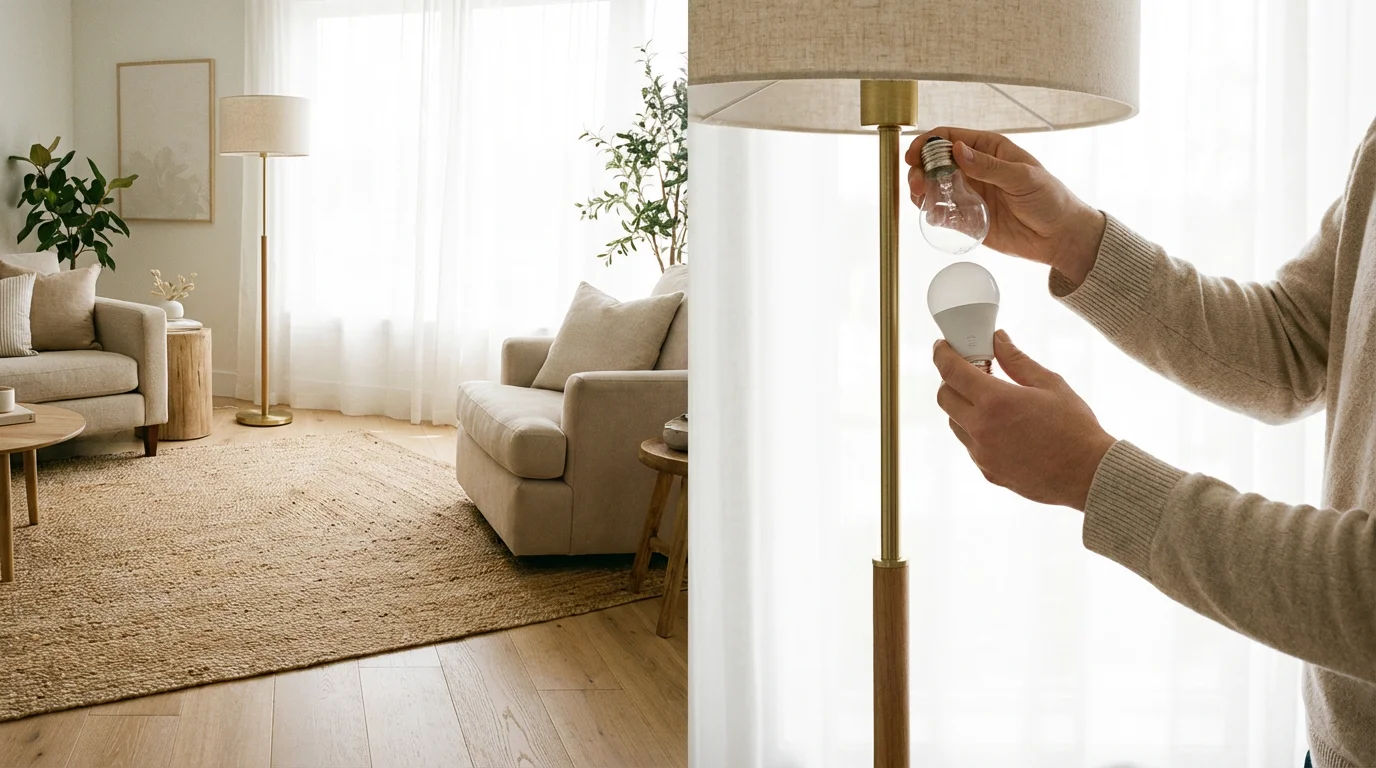
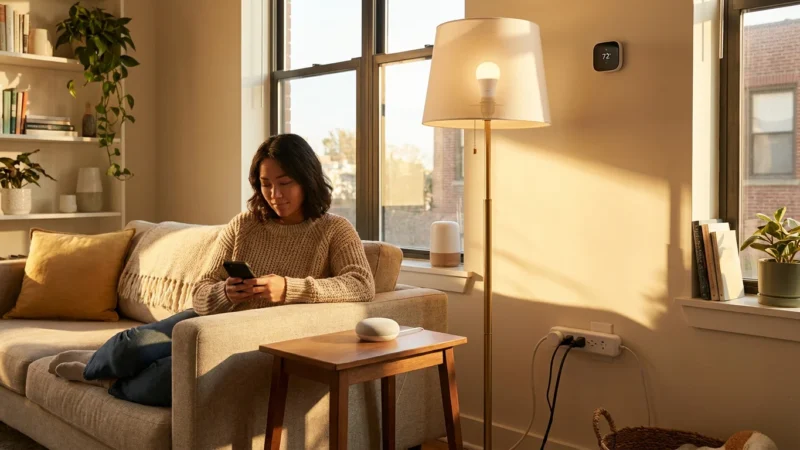
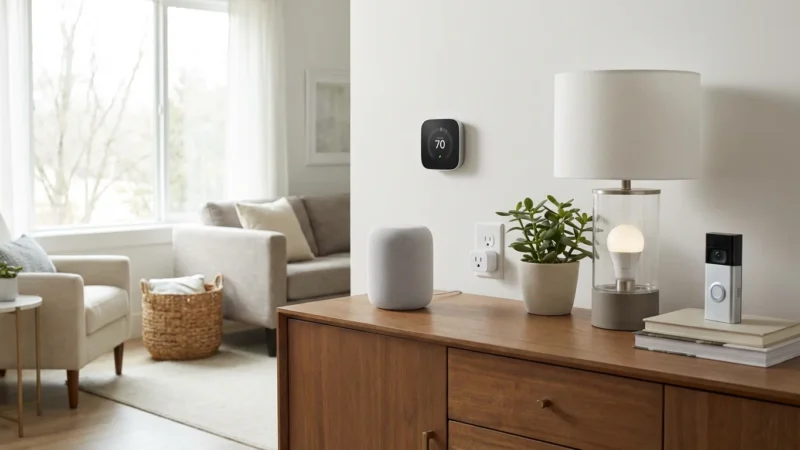
- Smart Lighting: Replace a few key light bulbs with smart ones. Automate them to turn on when someone enters a room, or use voice commands to adjust brightness. This eliminates fumbling for switches and creates a welcoming atmosphere.
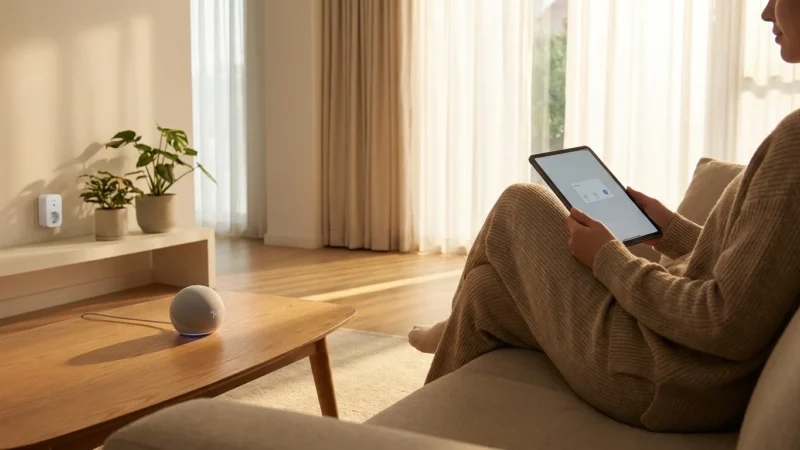
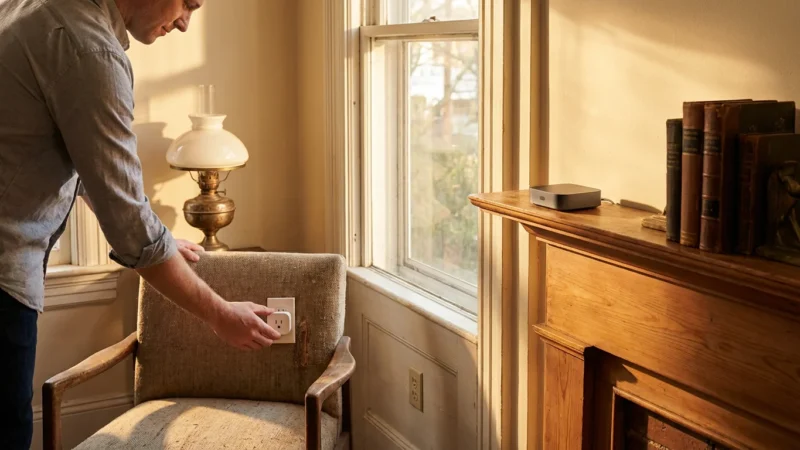
- Smart Plugs: Convert everyday appliances, like a coffee maker or a fan, into smart devices. Schedule the coffee maker to start brewing 10 minutes before your alarm, or turn off a forgotten curling iron remotely. These small conveniences make a big difference in daily routines.
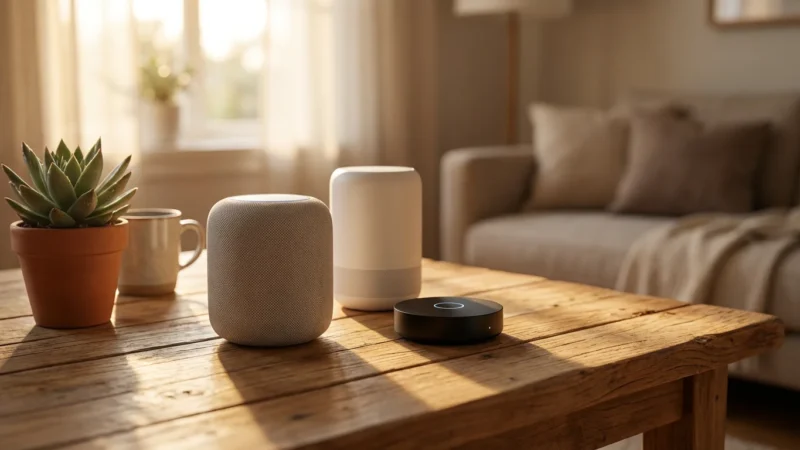
- A Single Smart Speaker: Place an Alexa or Google Assistant speaker in a communal area. Use it for simple tasks like playing music, setting timers, or answering quick questions. Avoid complex routines initially, letting your family discover its utility organically.
When your family experiences smart tech making their lives easier, they become more receptive to further integration. This method directly addresses “how to get family on board with smart home” by building trust and demonstrating value.
Showcase Real-World Benefits: Savings, Security, Simplicity
Beyond simple convenience, smart home technology offers substantial benefits in energy efficiency, home security, and overall lifestyle simplicity. Highlighting these practical advantages can significantly help convince your spouse about smart home investments. Frame these benefits around their direct impact on your family’s well-being and finances.
Energy Savings and Environmental Impact
Smart devices offer significant potential for reducing utility bills. This resonates strongly with budget-conscious family members.
- Smart Thermostats: These devices learn your family’s habits and adjust temperatures automatically. Many allow remote control, preventing you from heating or cooling an empty house. According to Energy Star, a certified smart thermostat can save homeowners an average of 8% on heating and cooling costs, translating to about $50 annually. You gain control over energy consumption without sacrificing comfort.
- Smart Plugs: Use smart plugs to eliminate “vampire drain” from electronics like TVs, game consoles, and chargers. Schedule them to power off completely when not in use. This small action reduces wasted electricity and contributes to lower bills over time.
- Smart Lighting Controls: Automate lights to turn off when no one is present or dim them to conserve energy. Motion sensors ensure lights only operate when needed, preventing unnecessary power consumption.
Enhanced Home Security and Peace of Mind
Security represents a compelling reason for smart home adoption, offering tangible protection and peace of mind.
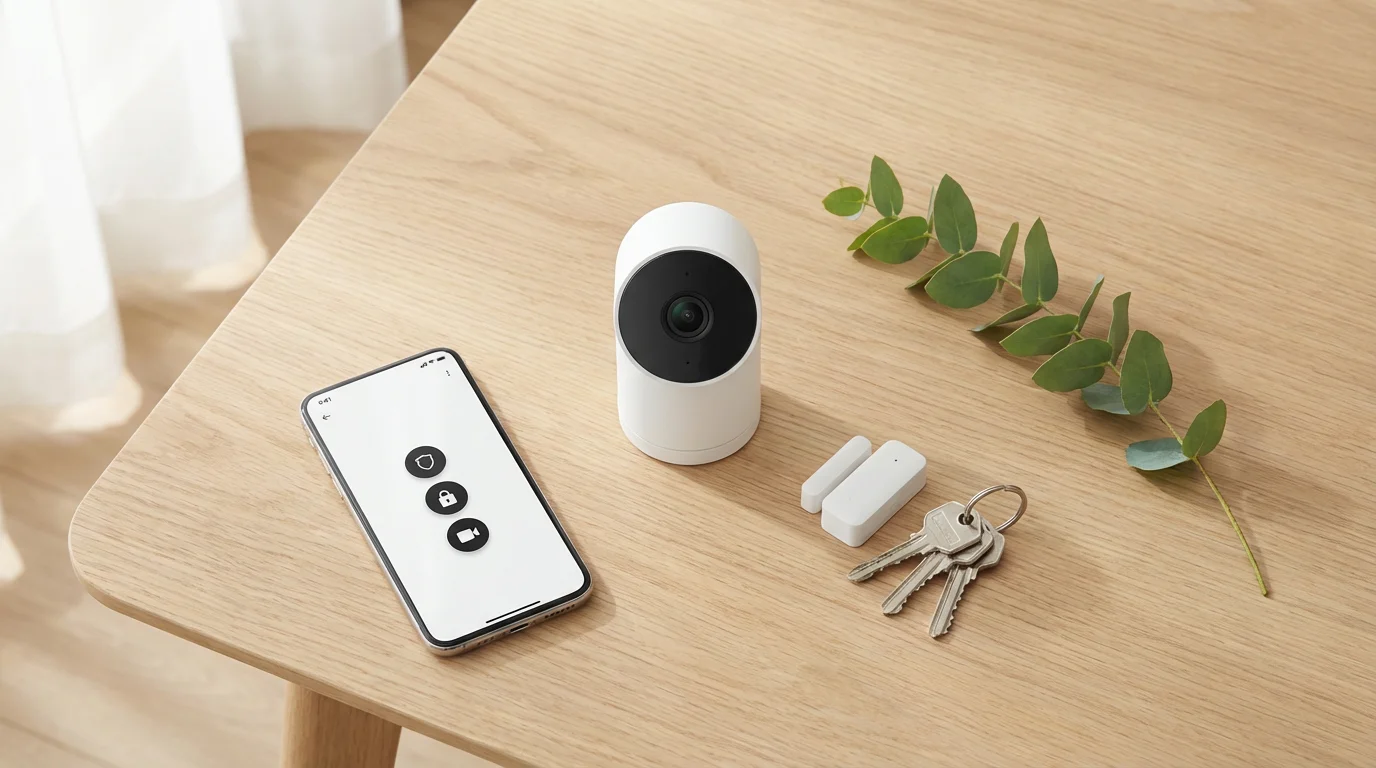
- Video Doorbells: See and speak to visitors from anywhere, even when you are not home. This deters package thieves and provides a clear record of who approaches your door. Many parents appreciate the ability to monitor children arriving home from school.
- Smart Locks: Grant temporary access to dog walkers or repair people without sharing physical keys. You receive notifications when doors lock or unlock, ensuring your home remains secure. This eliminates lost key worries and provides crucial remote control.
- Door and Window Sensors: Receive instant alerts if a window or door opens unexpectedly. Integrate these with smart lights to deter intruders by making it appear someone is home. This proactive security layer adds significant peace of mind.
These security features give your family a tangible sense of safety and control, addressing potential anxieties about vulnerabilities.
Daily Simplicity and Routine Automation
Smart home technology excels at simplifying daily routines, freeing up time and mental effort.
- Voice Control: The ability to control lights, music, and thermostats with simple voice commands offers immense convenience. Children often adapt quickly to this, making it a fun and intuitive way to interact with the home. This reduces reliance on apps and physical switches.
- Automated Routines: Create “scenes” or routines that combine multiple actions. A “Good Morning” routine might turn on bedroom lights, start the coffee maker, and play the news. A “Good Night” routine could lock doors, turn off all lights, and adjust the thermostat. These automations streamline your daily life.
- Location-Based Automation: Set your lights to turn on when you arrive home after dark, or adjust the thermostat as you leave for work. This proactive automation ensures your home always responds to your needs without manual input.
These examples demonstrate how smart tech reduces friction in everyday life, making your home a more intuitive and responsive environment.

Involve Everyone: Make It a Collaborative Process
Successful family adoption requires more than just showing off cool gadgets; it demands active participation and a sense of ownership from everyone. Make the journey of integrating smart home tech a collaborative project, not a unilateral decision. This strategy significantly boosts household buy-in.
Ask family members what aspects of their daily routine they find frustrating or time-consuming. Perhaps someone always forgets to turn off their bedroom light, or another wishes they could play their favorite music instantly. Identifying these pain points allows you to introduce solutions that directly benefit them.
- Let Them Choose: If you plan to buy a smart speaker, present two or three options like an Echo Dot or a Google Nest Mini. Let your family decide which interface they prefer. This simple choice gives them a stake in the decision.
- Assign “Ownership”: Give children responsibility for specific smart devices in their rooms, such as controlling their own smart light bulb or a smart plug for their fan. This fosters a sense of independence and familiarity with the technology.
- Create Shared Routines: Work together to design automations that benefit everyone. For example, brainstorm what a “Movie Night” scene should include: dimming lights, closing blinds, turning on the TV. This cooperative creation makes the technology feel like a shared asset.
Learning how to plan your smart home before buying anything is the best way to ensure your new gadgets solve real problems for your family.
Involving your family in the planning and implementation phases reduces resistance. It transforms the discussion from “my smart home” to “our smart home,” which is crucial for convincing spouse about smart home benefits and ensuring long-term use.

Demystifying the Tech: Keep It Simple and User-Friendly
One of the biggest hurdles to family adoption is the perception of complexity. People often assume smart home technology requires an advanced degree to operate. Your role is to demystify this technology and emphasize its user-friendly aspects. Focus on the intuitive interface and the simplicity of everyday use, rather than the intricate technical details.
When you discuss ecosystem selection, frame it around ease of use. Whether you choose Alexa, Google Assistant, or Apple HomeKit, highlight how these platforms simplify control. Explain that you do not need to understand Wi-Fi, Bluetooth, Zigbee, or Z-Wave in detail to benefit from smart devices.
Focus on the Interface, Not the Backend
Explain that most interactions happen through voice commands or simple app taps. Your family does not need to understand network protocols to turn on a light.
- Voice Control: Emphasize that saying “Turn off the living room lights” is far simpler than navigating menus or fiddling with switches. Showcase the natural language processing of modern assistants.
- Intuitive Apps: Demonstrate how smart home apps organize devices logically and offer easy-to-understand controls. Show them how to dim a light or lock a door with a single tap.
- Automations: Explain that once you set up a routine, it runs automatically. Your family does not need to remember to activate anything; the home simply responds to their presence or schedule.
Explain Connectivity Simply
When discussing connectivity, provide basic context without getting bogged down in jargon.
The best smart home is the one you don’t have to manage. It works seamlessly in the background, adapting to your family’s needs.
- Wi-Fi: Most people understand Wi-Fi. Explain that many devices connect directly to your home Wi-Fi network, making them easy to set up without extra equipment.
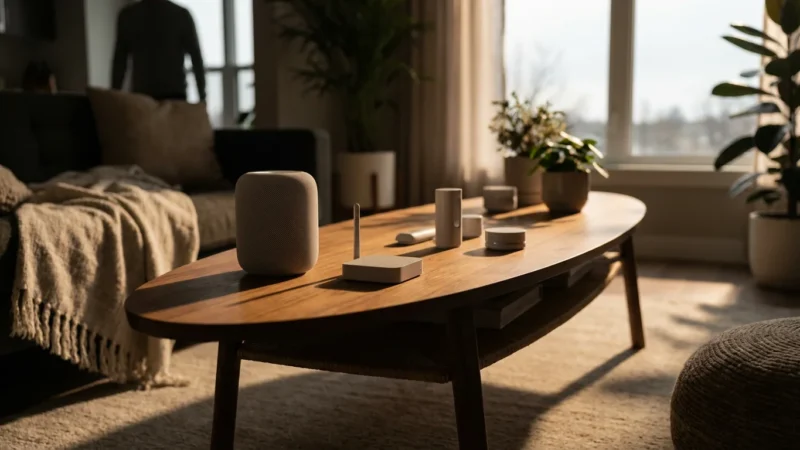
- Hubs (Optional): If you do introduce a hub, explain its purpose as a “translator” for different devices. Frame it as simplifying control, bringing everything under one roof, rather than adding complexity. Emphasize that many “first smart home devices to buy” are hub-free.
- Matter: Mention Matter as a new standard simplifying device compatibility. Explain it aims to make devices from different brands work together seamlessly, reducing future confusion. This reassures family members about future compatibility and ease of expansion.
By focusing on the benefits of simplicity and ease of interaction, you reduce the perceived barrier to entry and increase the likelihood of family adoption.

Address Privacy and Security Concerns Head-On
Concerns about privacy and security are legitimate and deserve transparent answers. Ignoring these fears can entirely derail your efforts to achieve household buy-in. You must proactively address these anxieties with clear explanations and practical safeguards. Many individuals worry about smart devices “listening in” or “watching” them without consent.
Acknowledge these concerns as valid and explain the measures you implement to protect your family’s data. This builds trust and demonstrates your commitment to their digital safety. According to CNET’s smart home security advice, using strong, unique passwords for all devices and accounts is paramount for safeguarding your home.
- Data Encryption and Local Processing: Explain that most reputable smart home devices encrypt data both in transit and at rest. Highlight devices that offer local processing for certain functions, meaning data stays within your home network rather than going to the cloud. For example, some smart cameras offer local storage options for video footage.
- Strong Passwords and Two-Factor Authentication: Emphasize the importance of strong, unique passwords for all smart home accounts and your home Wi-Fi network. Implement two-factor authentication (2FA) wherever available for an extra layer of security. This prevents unauthorized access even if a password is compromised.
- Dedicated Guest Network: Set up a separate guest Wi-Fi network for smart devices, especially those accessible to visitors. This isolates your main network from potential vulnerabilities introduced by IoT devices. If a smart device’s security is compromised, it cannot directly access your personal computers or sensitive data.
- Understanding Voice Assistants: Clarify how voice assistants work. Explain that they typically only “wake up” and begin recording after hearing their wake word. Show your family how to review and delete voice recordings through the app, giving them control over their data.
- Privacy Modes and Physical Shutters: Point out privacy features on devices like smart cameras or video doorbells. Many offer “privacy modes” that disable recording or physical shutters to block the camera lens when not in use. This provides visual confirmation that the device is not actively monitoring.
By proactively addressing privacy and security, you empower your family with knowledge and control, transforming fear into confidence. This open approach is critical for successful family adoption.
Gradual Expansion and Advanced Automation Ideas
Once your family experiences the basic benefits and feels comfortable with initial devices, you can gradually introduce more sophisticated automations. This phased approach sustains interest and allows everyone to adapt at their own pace. Expanding your smart home capabilities unlocks even greater levels of convenience and efficiency.
Start by identifying areas where further integration could solve recurring inconveniences. As family members become more familiar with basic voice commands or app controls, they often begin to suggest their own ideas for improvement. This organic progression ensures continued household buy-in.
Moving Beyond Basic Devices
Consider devices that add new functionality or enhance existing systems.
- Smart Blinds/Shades: Automate window coverings to open with the sunrise and close at sunset. This improves energy efficiency and provides enhanced privacy without manual effort.
- Smart Sprinkler Systems: Conserve water by automatically adjusting watering schedules based on local weather forecasts. You manage your lawn more efficiently and reduce your water bill.
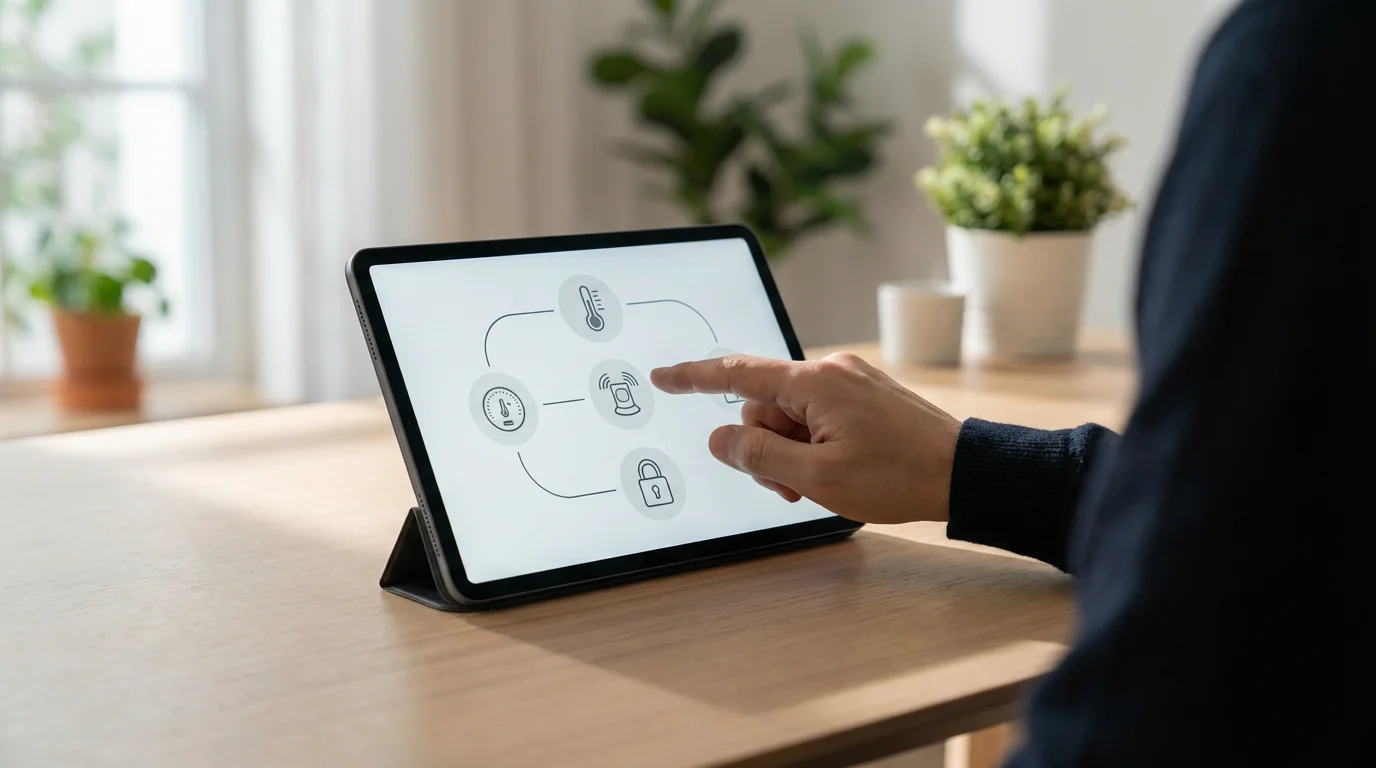
- Environmental Sensors: Integrate sensors for air quality, temperature, or humidity. Automate air purifiers, fans, or humidifiers to maintain optimal indoor conditions, improving comfort and health.
Creating Intelligent Routines and Scenes
Advanced automations combine multiple devices and actions into powerful, seamless experiences.
- “Good Morning” Scene: Trigger bedroom lights to slowly brighten, the coffee maker to start, and the news to play on a smart speaker. This smooth start to the day enhances well-being.
- “Coming Home” Scene: As you approach your house, geofencing can trigger lights to turn on, the thermostat to adjust to your preferred temperature, and your favorite playlist to start. This creates a welcoming arrival.
- “Away” Scene: When the last person leaves, activate a routine that locks all doors, turns off all lights, adjusts the thermostat to an energy-saving setting, and arms the security system. This provides peace of mind and saves energy.
- “Movie Night” Scene: With a single command, dim the living room lights, close the smart blinds, turn on the TV and sound system, and adjust the thermostat for optimal comfort. This creates an immersive entertainment experience instantly.
As your family observes these integrated systems working seamlessly, their appreciation for smart home technology will grow. For more advanced automation ideas, consider resources like Wirecutter or The Verge for expert reviews and creative suggestions. Introducing these more complex automations only after initial family adoption ensures a positive and rewarding experience for everyone involved.
Budget-Friendly Approaches to Smart Home Integration
Cost often serves as a significant deterrent when discussing smart home technology with your family. dispel the myth that you need to spend thousands of dollars to create a smart home. Emphasize that you can achieve substantial benefits with a modest investment, making smart home integration accessible for any budget. This approach is key to convincing spouse about smart home value.
Focus on “budget-friendly starting points” and highlight how incremental additions can build a powerful system over time. You do not need to buy everything at once.
Start with Affordable, High-Impact Devices
You don’t need a huge investment to see results, as starting a smart home on a budget allows you to test the waters with affordable gadgets.
Many entry-level smart devices offer excellent value and provide noticeable improvements.
- Smart Plugs: Priced as low as $10-$20 each, smart plugs are among the most affordable ways to introduce automation. They immediately transform ordinary appliances into smart devices, offering scheduling and remote control.
- Basic Smart Bulbs: Individual color-changing or tunable white smart bulbs can cost $15-$25. These offer immediate convenience and ambiance control in high-use areas without replacing every bulb in your home.
- Mini Smart Speakers: Devices like the Echo Dot or Google Nest Mini are often available for $30-$50, or even less during sales. These provide voice control for music, timers, and basic smart home commands, serving as an excellent entry point into a voice assistant ecosystem.
- Video Doorbells (Entry-Level): Basic video doorbells, while a larger investment than plugs, have options starting around $50-$100. They provide immediate security benefits and remote monitoring, offering significant value for peace of mind.
Leverage Sales and Bundles
Timing your purchases can lead to significant savings.
- Holiday Sales: Black Friday, Cyber Monday, Prime Day, and other major retail events offer deep discounts on smart home devices. Planning purchases around these times maximizes your budget.
- Starter Kits: Many brands offer starter kits that bundle a hub with a few devices, like smart bulbs or door sensors, at a reduced price compared to buying them individually. These provide a cohesive foundation for “getting started with smart home.”
- Refurbished Devices: Reputable retailers often sell certified refurbished smart home devices at a lower cost. These typically come with warranties and offer excellent value.
Expand Gradually
Emphasize building your smart home system incrementally. You can add one or two new devices every few months as your budget allows and as your family discovers new needs. This prevents financial strain and allows for natural growth in adoption. By demonstrating how you can achieve a smart home without breaking the bank, you remove a major barrier to family adoption and encourage a more open-minded approach to technology.
Frequently Asked Questions
What is the best first device to convince my family to try smart home tech?
A smart plug is an excellent starting point. It is inexpensive, easy to install, and immediately demonstrates utility by allowing you to control an ordinary lamp or coffee maker with your voice or a schedule. Its simplicity and tangible benefit make it a powerful tool for initial family adoption.
Will smart home tech spy on us or compromise our privacy?
Reputable smart home companies prioritize privacy with data encryption, clear privacy policies, and options to control your data. You can enhance privacy further by using strong passwords, enabling two-factor authentication, and understanding device settings. Many devices offer privacy modes or physical shutters for cameras, giving you control over monitoring.
Is it expensive to start a smart home?
No, you can start a smart home on a budget. Begin with affordable devices like smart plugs or basic smart bulbs, which cost as little as $10-$20. Many major brands offer mini smart speakers for under $50. Expand your system gradually by taking advantage of sales and starter kits, building a smarter home without a massive upfront investment.
What if my family struggles to understand or use the technology?
Keep it simple. Introduce devices one at a time and focus on one or two key functions. Use voice control as the primary interaction method, as it is often the most intuitive. Involve your family in choosing automations that directly benefit them, ensuring the technology serves their needs rather than complicating their lives. Patience and positive reinforcement are crucial for fostering comfort and familiarity.
Disclaimer: This article is for informational purposes only. Smart home devices involve electrical connections and data privacy. Always follow manufacturer instructions for installation. For complex wiring or HVAC work, consult a licensed professional.

Leave a Reply