
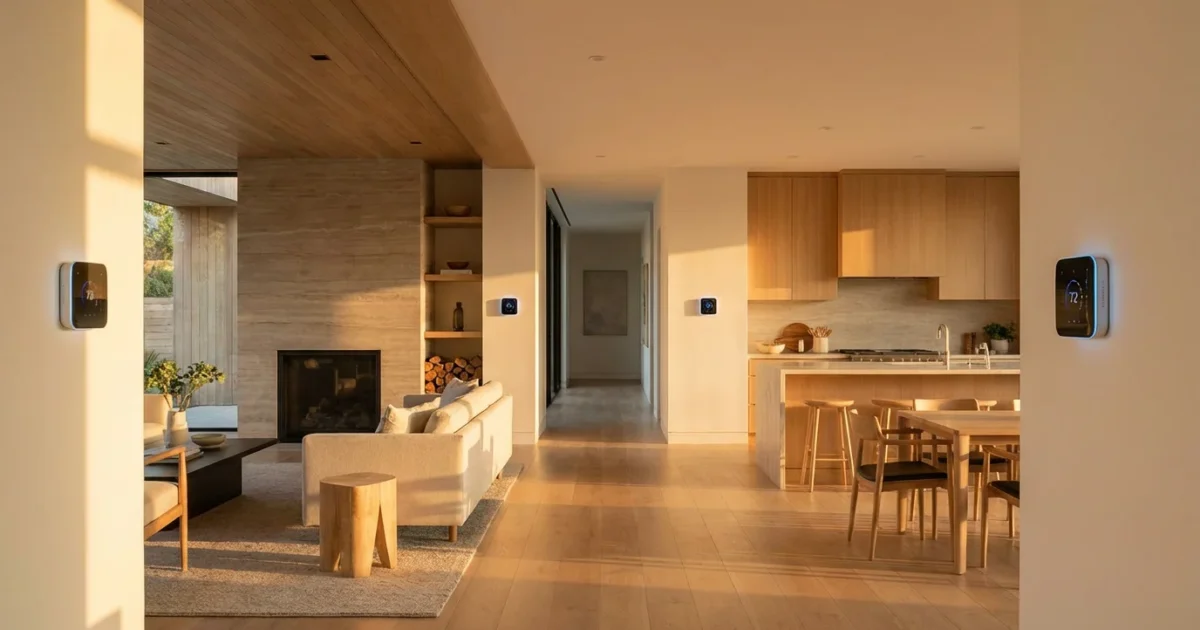
Achieving consistent comfort in every room of your home presents a unique challenge, especially in properties with diverse heating and cooling needs. Traditional thermostats often fall short, leading to uncomfortable hot or cold spots and wasted energy. Smart thermostats offer a powerful solution, particularly for homes equipped with multi-zone heating and cooling systems. They transform how you manage your indoor climate.
This guide explores how to leverage smart thermostats for optimal zone control, ensuring every area of your home maintains its ideal temperature efficiently. You will discover practical strategies and top product recommendations to bring balanced comfort and significant energy savings to your living space.
Understanding Multi-Zone HVAC Systems
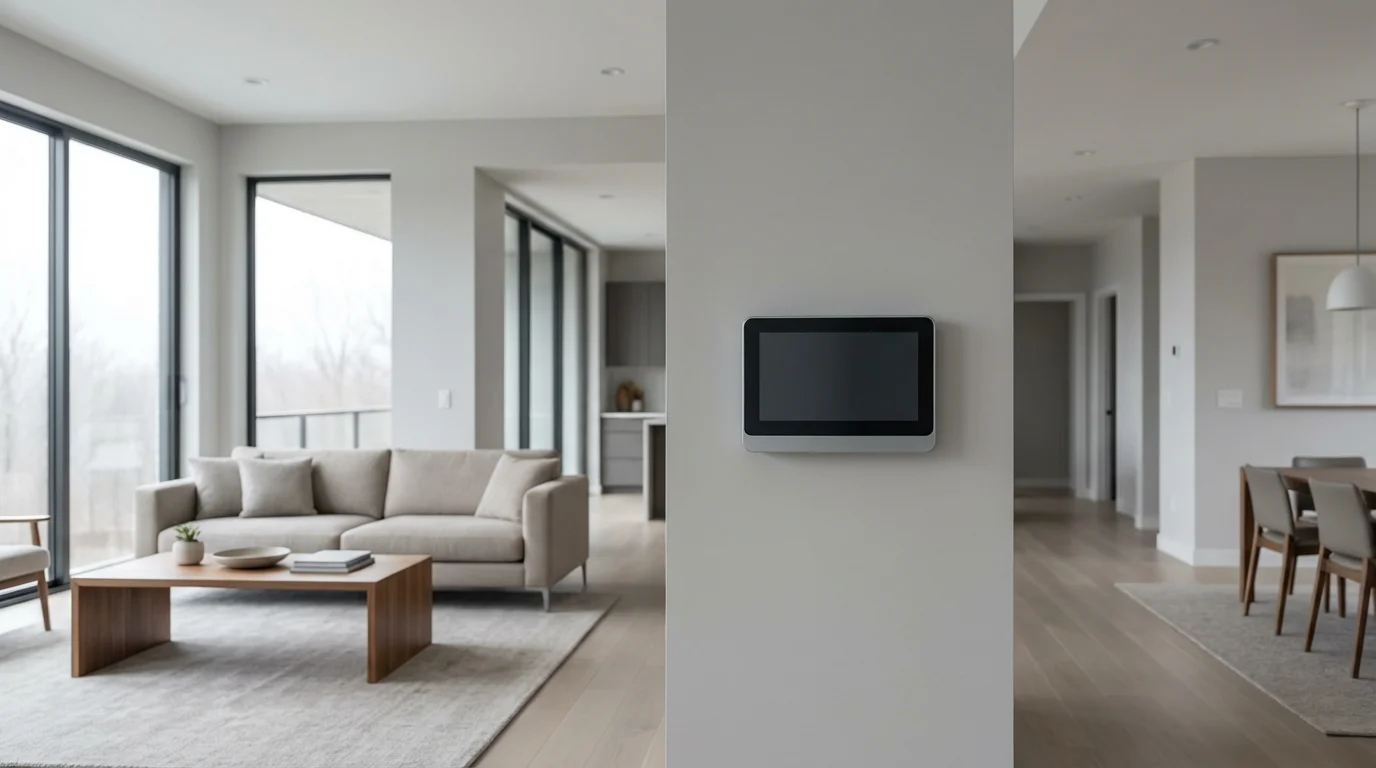
Many homes, especially larger or multi-story properties, use multi-zone heating and cooling systems to deliver individualized comfort. These systems divide your home into distinct temperature control areas, or zones, each with its own thermostat. This setup prevents you from heating or cooling unused spaces.
A typical multi-zone HVAC system includes several key components. You have a central furnace and air conditioner, but it connects to a system of motorized dampers within your ductwork. These dampers open and close to direct conditioned air to specific zones. A central zone control panel coordinates the operation of the furnace, AC, and dampers based on the input from each zone’s thermostat.
Implementing zone control offers clear advantages. It prevents temperature imbalances between different parts of your home, like a sunny living room versus a shaded bedroom. You gain the ability to heat or cool only the areas you use, which significantly reduces energy waste compared to a single-thermostat system. For instance, you can keep the bedrooms cooler at night while maintaining a comfortable temperature in the living areas during the day.
Why Upgrade to Smart Thermostats for Zone Control?
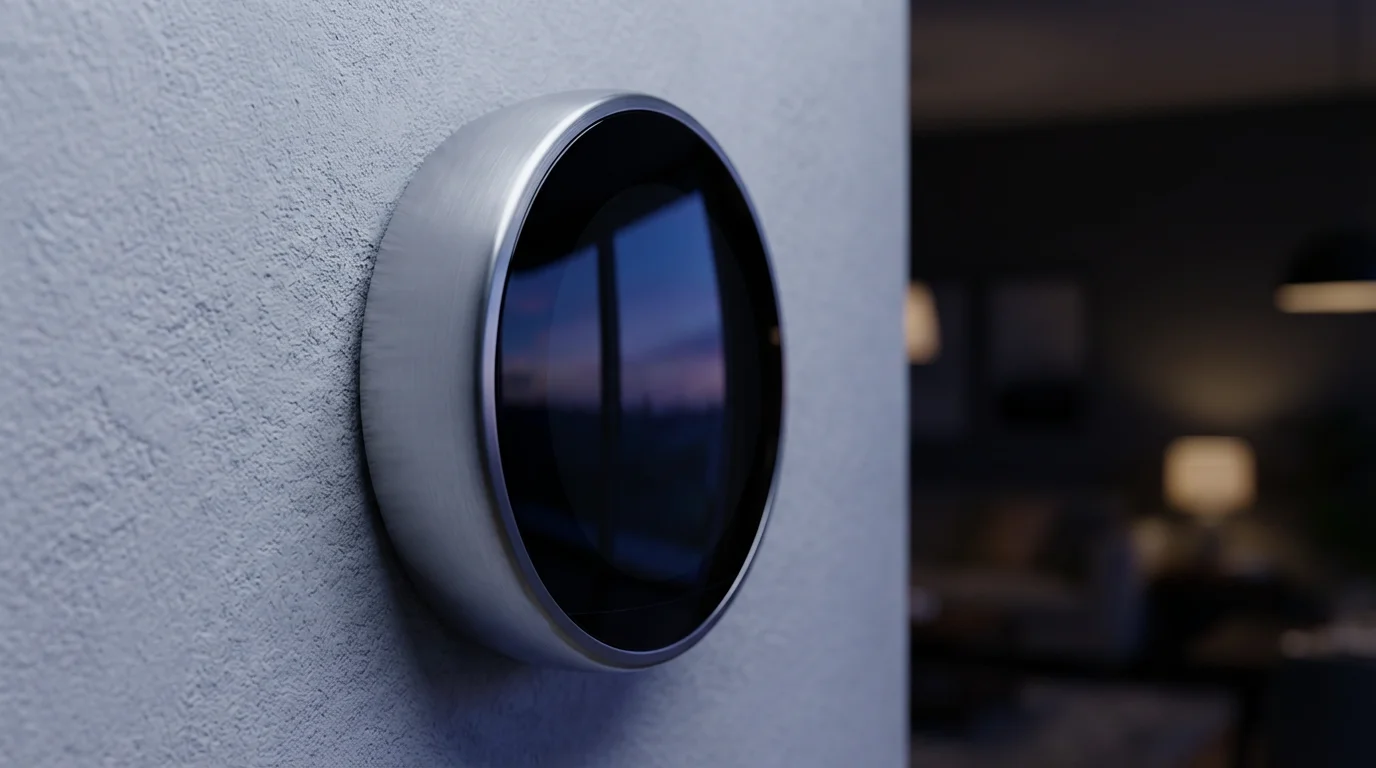
Traditional multi-zone systems provide basic temperature regulation, but they lack the intelligence and adaptability of modern smart thermostats. Upgrading unlocks a new level of control and efficiency. You move beyond simple set-and-forget programming.
Smart thermostats integrate advanced features that enhance zone control capabilities. They learn your preferences, adapt to your schedule, and use external data like weather forecasts to optimize your home’s climate. This sophistication translates directly into tangible benefits.
Consider the energy savings. Smart thermostats, particularly those with Energy Star certification, can reduce heating and cooling costs by 8% to 15% annually, according to Energy Star. This happens because they optimize temperature settings based on occupancy, schedule, and external conditions. You pay less for heating and cooling.
The U.S. Environmental Protection Agency states, “Smart thermostats can save homeowners, on average, $50 per year on heating and cooling costs.”
Enhanced comfort also becomes a reality. With features like `room sensors` and geofencing, your smart thermostat ensures you arrive home to the perfect temperature. It maintains comfort precisely where you need it, when you need it, preventing uncomfortable temperature swings. You experience consistent warmth in your home’s occupied areas during winter, without overheating vacant rooms.
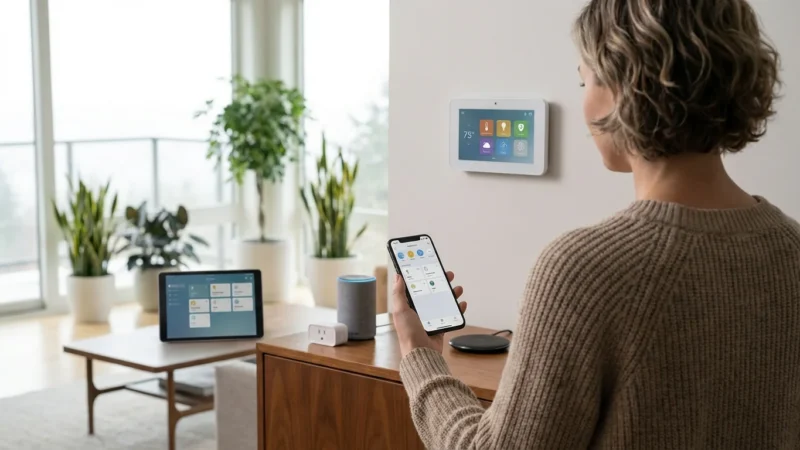
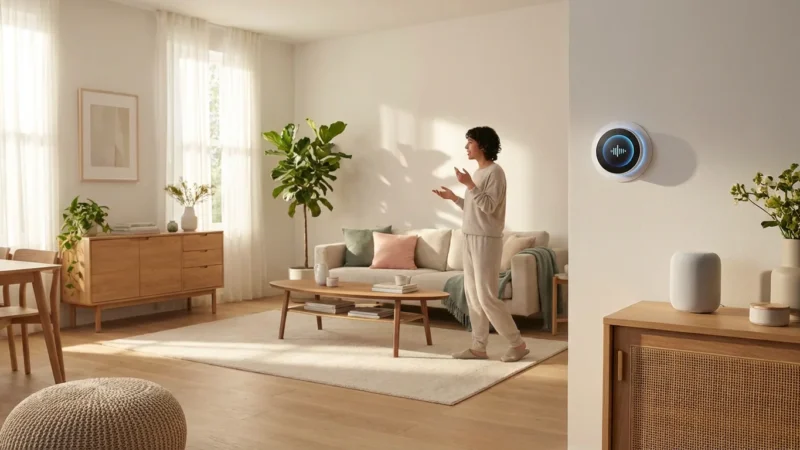
The convenience factor is undeniable. You can manage your entire multi-zone heating system from anywhere using your smartphone. Adjust temperatures, create schedules, or review energy reports with a few taps. Voice assistants like Amazon Alexa or Google Assistant offer hands-free control, making temperature adjustments effortless.
Key Features for Multi-Zone Smart Thermostats
When choosing the `best smart thermostat for multi-zone HVAC`, specific features stand out as crucial. These capabilities directly impact your comfort, energy efficiency, and overall control. Focus on thermostats designed with multi-zone applications in mind.
Here are the essential features you should prioritize:
- Individual Zone Compatibility: Ensure the smart thermostat integrates seamlessly with your existing zone control panel. Some systems require a separate smart thermostat for each zone, while others offer a single hub controlling multiple sensors.
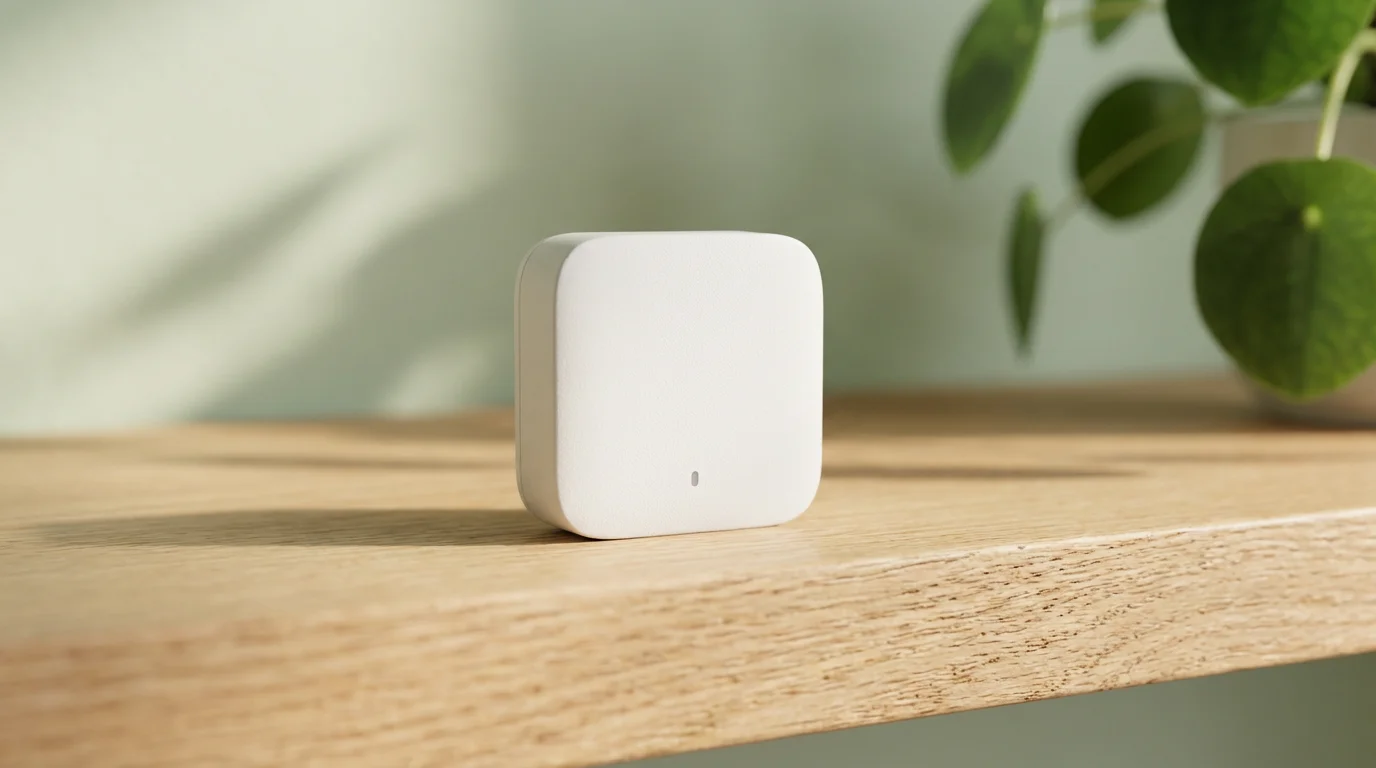
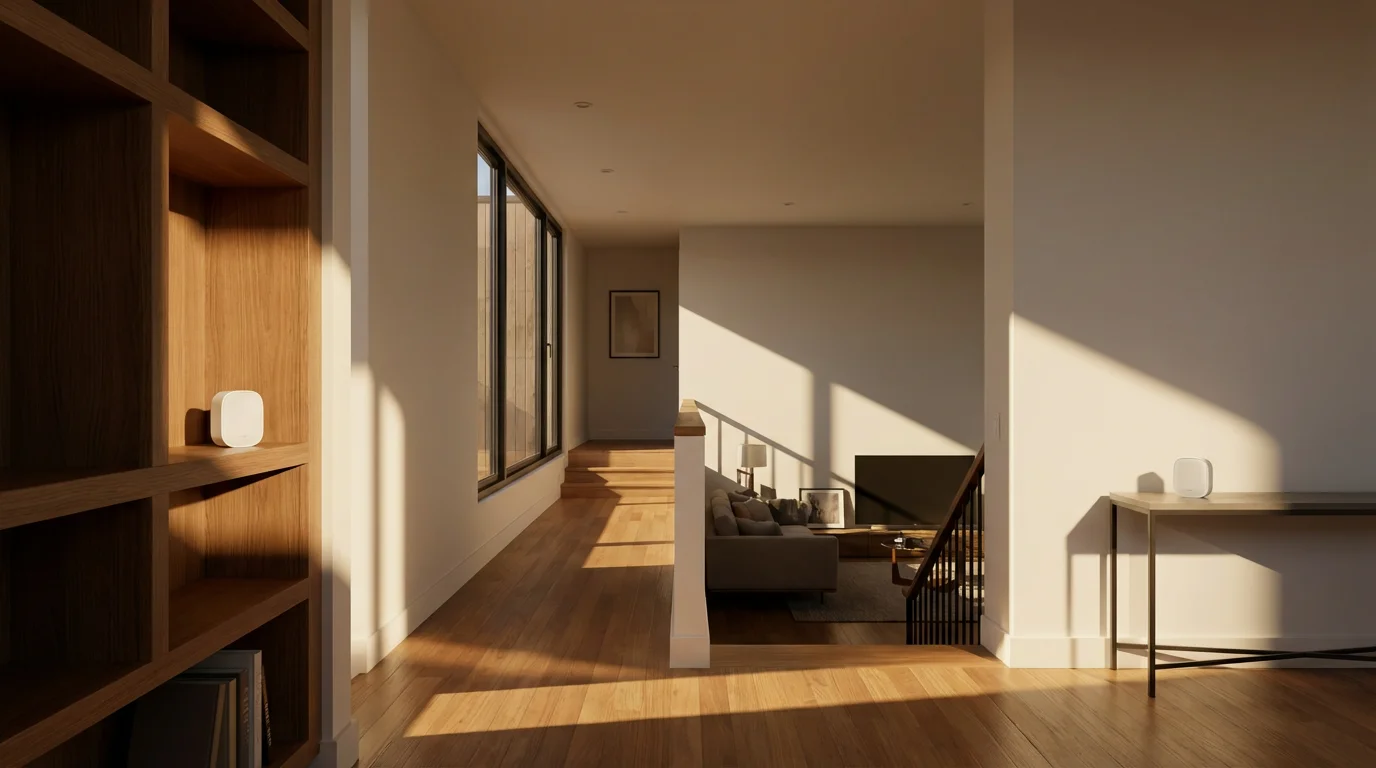
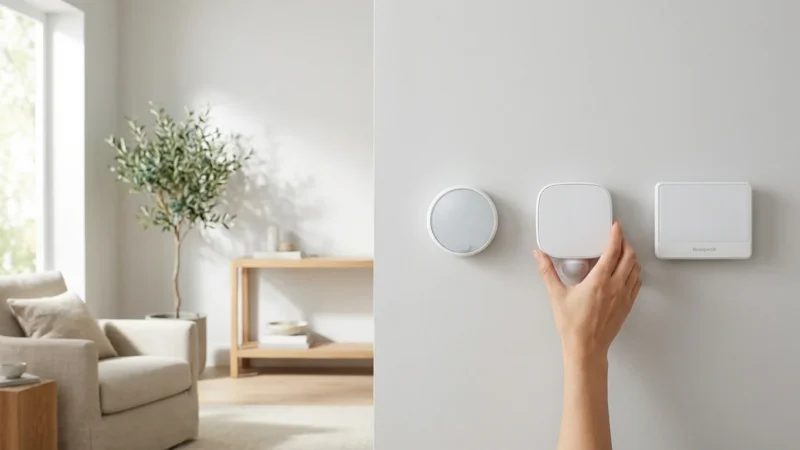
- Remote Room Sensors: These small devices detect temperature and occupancy in specific rooms, not just at the main thermostat location. They are vital for accurate temperature readings and eliminating hot or cold spots in different zones.
- Smart Scheduling and Learning Capabilities: The thermostat should learn your daily routines and preferences, automatically adjusting temperatures. You create custom schedules for each zone, matching your family’s habits.
- Geofencing: This feature uses your smartphone’s location to determine if you are home or away. It automatically adjusts temperatures to save energy when you leave and starts heating or cooling before you arrive.
- Intuitive Mobile App Control: A well-designed app provides easy management of all your zones from anywhere. You can view temperatures, adjust settings, and monitor energy usage effortlessly.
- Voice Assistant Integration: Compatibility with Amazon Alexa, Google Assistant, or Apple HomeKit offers convenient hands-free control. You simply speak commands to change temperatures or modes.
- Energy Reporting and Insights: Detailed reports help you understand your energy consumption patterns. You identify opportunities for further savings and track your progress over time.
- C-Wire Compatibility: Most smart thermostats require a continuous power supply, often provided by a C-wire. Verify your HVAC system has one or explore alternative power solutions if it does not.
Top Smart Thermostat Options for Multi-Zone Homes
Several leading smart thermostat brands offer excellent solutions for homes with `multi-zone heating` and cooling. Each brand approaches `zone control` slightly differently, catering to various needs and existing setups. Here, we compare some of the most popular choices.
Ecobee Smart Thermostats
For a deeper look at how these major brands stack up, read our comprehensive guide on Nest vs Ecobee vs Honeywell.
Ecobee thermostats excel in multi-zone environments primarily due to their robust `room sensors`. These sensors not only detect temperature but also occupancy, allowing the system to prioritize comfort in occupied rooms. You place sensors in different zones, and the Ecobee thermostat averages the readings or prioritizes specific sensors based on your preferences. This effectively addresses `how to control different room temperatures` with precision. Ecobee also integrates with a wide range of smart home ecosystems and offers strong energy reporting features. The Ecobee SmartThermostat with Voice Control, for example, comes with a remote sensor and built-in Alexa capabilities.
Google Nest Thermostats
Google Nest thermostats, known for their elegant design and learning capabilities, also offer viable multi-zone solutions. While Nest initially focused on learning your schedule automatically, newer models and the Nest Temperature Sensor expand their multi-zone functionality. You can assign Nest Temperature Sensors to specific Nest thermostats, allowing a thermostat to prioritize the temperature of the room where the sensor resides. This helps manage `how to control different room temperatures` more effectively. Nest’s Home/Away Assist feature, which uses geofencing and occupancy sensors, contributes to significant energy savings across all zones.
Honeywell Home Smart Thermostats
Honeywell Home provides a range of smart thermostats, many of which are well-suited for `multi-zone HVAC` systems, especially given Honeywell’s long history in HVAC controls. Models like the Honeywell Home T9 or T10 Pro Smart Thermostats offer remote `room sensors` that detect both temperature and humidity. These sensors communicate wirelessly, giving you accurate temperature readings from different areas. You can use their app to prioritize specific zones or sensors, ensuring comfort where you need it most. Honeywell’s reputation for reliability and compatibility with many existing HVAC systems makes them a strong contender for homeowners looking to upgrade their `multi-zone heating` setup.
When selecting your thermostat, consider your existing wiring, the number of zones you manage, and your preference for features like voice control or extensive energy reports. Each of these brands provides compelling reasons to consider them the `best smart thermostat for multi-zone HVAC` applications, depending on your specific requirements.
Installation and Compatibility Considerations
Installing a smart thermostat for a `multi-zone heating` system requires careful attention to detail. While many smart thermostats offer straightforward DIY installation for single-zone setups, `multi-zone HVAC` systems can introduce complexities. Understanding compatibility and knowing when to call a professional is paramount.
C-Wire Requirement
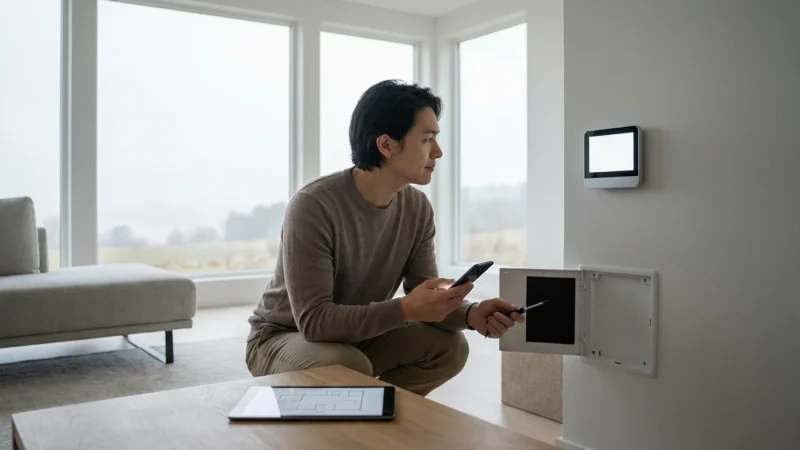
While complex setups might require a pro, you can often how to install a smart thermostat yourself if you have a straightforward existing wiring system.
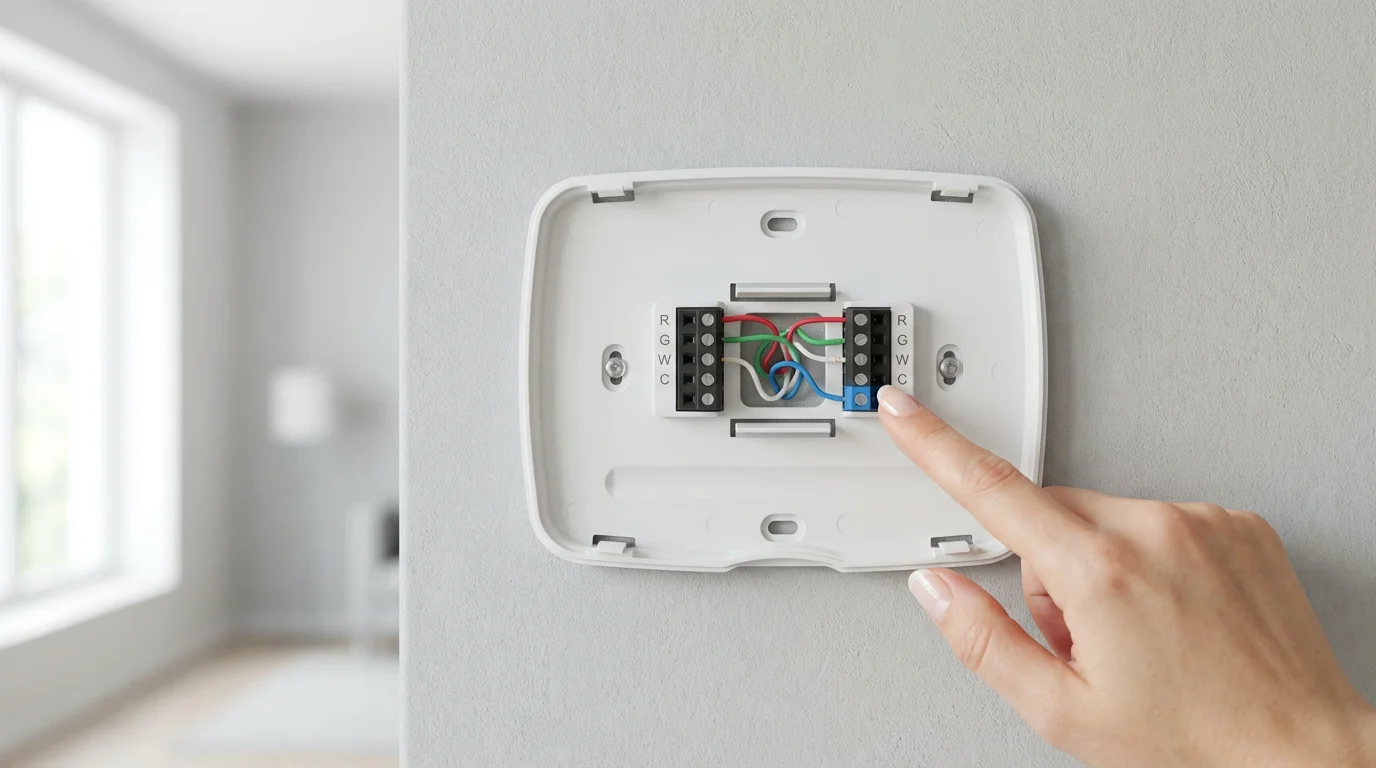
Most smart thermostats need a continuous 24V AC power supply, typically provided by a common wire, or C-wire. This C-wire ensures the thermostat maintains Wi-Fi connectivity and operates its smart features without draining battery power quickly. You must verify if each of your existing thermostat locations has a C-wire. If a C-wire is absent, you may need to install an adapter or have an HVAC professional run new wiring. Running without a C-wire often leads to reliability issues and frequent battery changes.
HVAC System Compatibility
Confirm the smart thermostat’s compatibility with your specific `multi-zone HVAC` system. Check the manufacturer’s compatibility checker tool on their website. It usually involves identifying your current wiring setup (e.g., R, G, Y, W wires). Some older or proprietary `zone control` panels might require specific smart thermostats or interfaces. Improper compatibility can lead to malfunctions or damage to your HVAC system.
Professional Installation for Complex Systems
For complex `multi-zone heating` systems, especially those involving extensive ductwork, specialized `zone control` panels, or when a C-wire is missing, consider professional installation. A licensed HVAC technician understands intricate wiring and system configurations. They ensure correct installation, prevent potential damage, and optimize your system for performance and efficiency. Always prioritize safety when dealing with electrical connections and HVAC systems. If you feel unsure about any step, contacting a professional saves you time and prevents costly errors.
Integration with Smart Vents (Advanced)
Some advanced `multi-zone heating` setups integrate smart vents into their system. These intelligent vents open and close dynamically, controlling airflow to individual rooms within a zone. Smart vents work in conjunction with smart thermostats and `room sensors` to fine-tune temperatures in specific areas. Brands like Flair or Keen Home offer products that integrate with Ecobee or Nest. While not essential, smart vents provide an additional layer of precision for `how to control different room temperatures` and reduce dependency on large HVAC adjustments. They can effectively manage rooms that always seem too hot or too cold, even within a properly zoned system.

Maximizing Efficiency and Comfort with Your Multi-Zone Smart Thermostat
Implementing smart thermostats into your `multi-zone HVAC` system is just the first step. To truly unlock their potential, you must optimize their features for maximum energy savings and unparalleled comfort. You control `how to control different room temperatures` effectively.
Strategic Sensor Placement
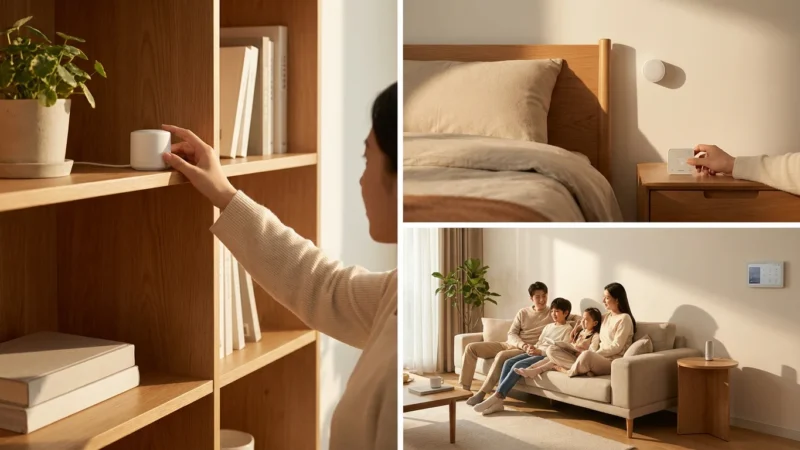
Place your `room sensors` in the most representative spots within each zone. Avoid locations near direct sunlight, drafts, or heat-generating appliances, as these can skew temperature readings. For accurate `zone control`, consider rooms where occupancy is highest or where temperature consistency is most critical. For example, placing a sensor in a child’s bedroom ensures consistent comfort there, rather than relying on a hallway thermostat.
Optimizing Scheduling and Learning
- Create Individual Zone Schedules: Leverage the smart thermostat’s ability to set different schedules for each zone. For instance, program the bedroom zone to be cooler at night and warmer in the morning, while the living room zone maintains comfort during the day.
- Utilize Learning Features: Allow your thermostat’s learning algorithm to observe your habits. Over time, it will autonomously adjust temperatures based on your historical preferences, reducing manual intervention.
- Adjust for Special Occasions: Temporarily override schedules for holidays, vacations, or when guests stay over. Remember to reactivate your energy-saving schedule afterwards.
Leveraging Geofencing and Occupancy
Configure geofencing to automatically adjust temperatures when you leave or return home. This ensures you do not waste energy heating or cooling an empty house. For example, your thermostat can raise the cooling temperature by five degrees when the last person leaves and drop it back down as you approach home. Combine geofencing with `room sensors` that detect occupancy. The system then prioritizes comfort in occupied zones and conserves energy in vacant ones. This intelligent approach makes `multi-zone heating` truly smart.
Monitoring Energy Reports and Utility Rebates
Regularly review the energy reports provided by your smart thermostat’s app. These reports offer insights into your energy consumption patterns, helping you identify opportunities for further savings. You might discover a specific zone consumes more energy than expected, prompting you to investigate insulation or window efficiency. Many utility companies offer rebates for installing `Energy Star Smart Thermostats`. Check with your local energy provider to see if you qualify for these incentives, which can offset the initial cost of your smart thermostat investment.
Advanced Multi-Zone Automation Ideas
Once you master the basics of `multi-zone heating` with smart thermostats, you can explore advanced automations that integrate your climate control with other smart home devices. These integrations elevate convenience, enhance security, and further optimize energy use. You build a truly responsive living environment.
Integrating with Other Smart Home Devices
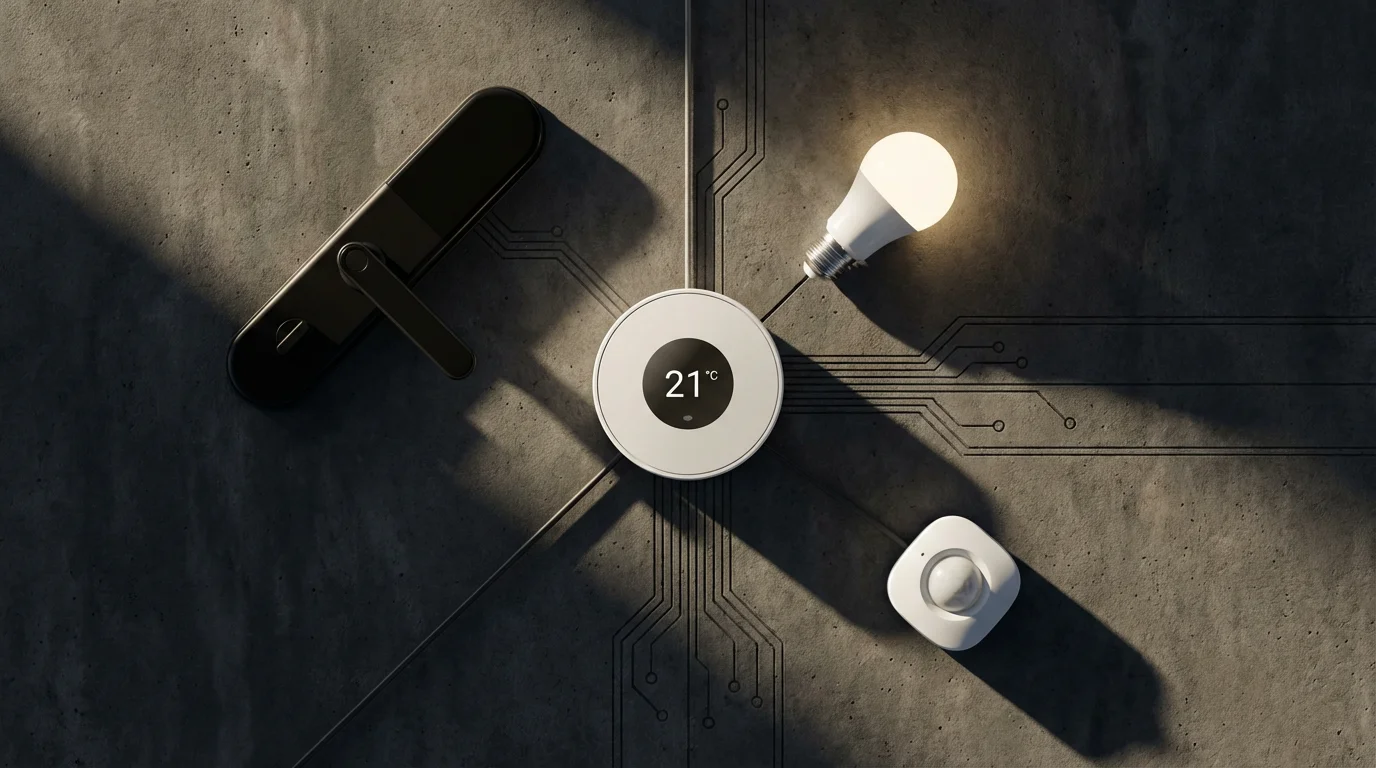
Your smart thermostat can become a central hub for various smart home routines. Link it with your smart lighting, door locks, or security system. For example, a “Good Night” routine can simultaneously lock your doors, dim the lights, and set your bedroom zone to a cooler sleeping temperature while reducing temperatures in other zones. This interconnectedness simplifies your daily routines. Matter, a new smart home connectivity standard, simplifies such integrations by providing a universal language for devices from different brands to communicate. This means you will find it easier to connect your smart thermostat with other Matter-compatible devices in the future, creating seamless automations across your entire home. Learn more about Matter at csa-iot.org.
Custom Routines for Enhanced Living
Create custom routines that respond to specific events or times of day, tailoring your home’s climate and ambiance. You might set up a “Morning Wake-Up” routine where your bedroom zone gradually warms up five minutes before your alarm, while the kitchen zone starts heating as you begin making coffee. Conversely, a “Leaving Home” routine can disarm your security system, turn off all lights, and switch all `multi-zone heating` thermostats to an eco-friendly ‘away’ mode. These personalized automations provide convenience and conserve energy automatically.
Ventilation and Air Quality Management
Some smart thermostats and `zone control` systems integrate with smart air purifiers or ventilation systems. This allows you to improve indoor air quality by automatically activating purifiers in specific zones based on air quality sensor readings. For instance, if a sensor detects high particulate matter in the living room zone, the air purifier can kick on automatically. This integrated approach ensures both thermal comfort and a healthy living environment. According to Wirecutter, “Smart thermostats are one of the most impactful smart home devices you can buy, directly saving you money.” (Wirecutter Smart Home)
Frequently Asked Questions
Do I need a smart thermostat for every zone in my home?
Yes, for true `multi-zone heating` control, you typically install one smart thermostat for each existing zone. This allows you to manage each area independently. Some smart thermostats, like Ecobee, use a main thermostat and then distribute `room sensors` to fine-tune temperatures within and across zones, but each zone usually requires a dedicated control point, whether it is a thermostat or a remote sensor tied to a central controller.
What is a room sensor and why is it important for multi-zone control?
A `room sensor` is a small device that wirelessly measures temperature and often occupancy in a specific area. It is critical for `multi-zone HVAC` because it provides accurate temperature readings from the actual living spaces, not just at the main thermostat location. This helps the smart thermostat distribute heating or cooling more effectively, eliminating hot or cold spots and ensuring consistent comfort where people actually are.
Can smart vents really help with zone control in an existing system?
Yes, smart vents can significantly enhance `zone control`, especially in existing systems that struggle with uneven temperatures within a single zone. They allow you to dynamically adjust airflow to individual rooms. While they do not create new zones, they provide granular control within existing zones, helping to balance temperatures and improve comfort without over-conditioning an entire area. They work best when integrated with compatible smart thermostats and `room sensors`.
How much energy can I save with multi-zone heating smart thermostats?
You can expect significant energy savings. Smart thermostats with `multi-zone heating` capabilities offer more precise control, allowing you to heat or cool only the occupied areas. By implementing smart scheduling, geofencing, and leveraging `room sensors` to avoid conditioning empty spaces, homeowners often see reductions in heating and cooling costs ranging from 8% to 15% annually. The exact savings depend on your home’s insulation, climate, and usage habits.
Optimizing your `multi-zone HVAC` system with smart thermostats brings comfort and efficiency to your home. You gain unparalleled control over your indoor climate, ensuring every room meets your ideal temperature needs while minimizing energy waste. Embrace this smart home upgrade and experience a more comfortable, convenient, and cost-effective living space.
Disclaimer: This article is for informational purposes only. Smart home devices involve electrical connections and data privacy. Always follow manufacturer instructions for installation. For complex wiring or HVAC work, consult a licensed professional.

Leave a Reply